Weight training for women means using resistance, whether dumbbells, a barbell, machines, or your own bodyweight, to build muscle, strengthen bone, and raise metabolism, without the bulky result many women still fear. Amna Saleem is an ACE Certified Personal Trainer who has coached weight training programs for women in Lahore and online in 18 or more countries, and this post answers the real questions women search for, including a few trending terms worth understanding properly rather than taking at face value.
What a Good Weight Lifting Routine for Women Actually Looks Like
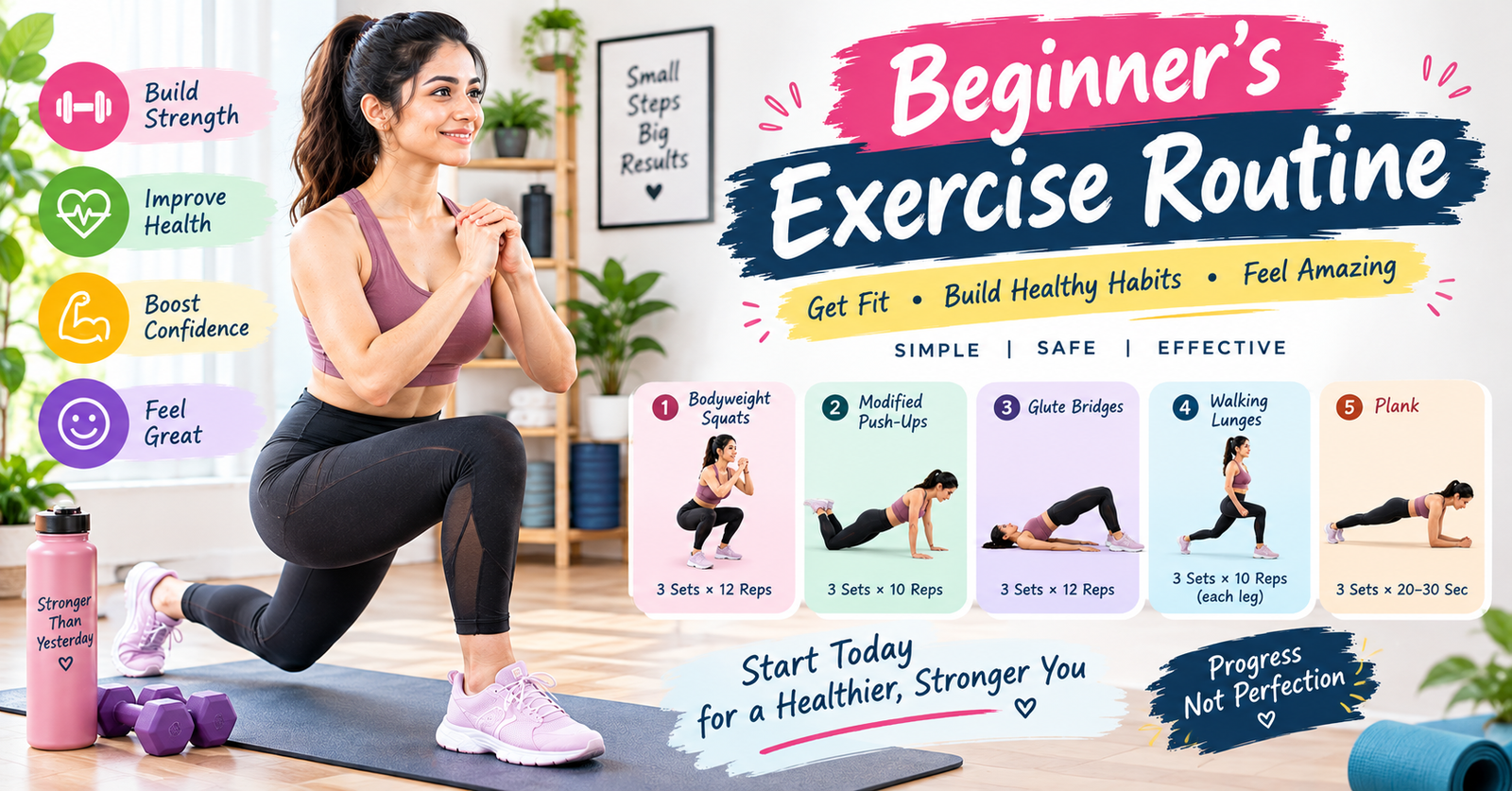
A solid routine starts with compound movements, squats, hip hinges, presses, and rows, since these work multiple muscle groups at once and give the most return on time invested. Beginners typically start with two to three sessions a week using light to moderate weight, focusing entirely on correct form before adding load. Once movements feel controlled and comfortable, weight increases gradually over weeks, not sessions. A useful starting point for women beginning at home with no equipment at all is the guide on building a beginner workout plan at home, which walks through this same progression using bodyweight resistance first.
For a beginner deciding how much weight to lift, a reasonable test is choosing a weight where the last two or three reps of a set of ten to twelve feel genuinely challenging but still controlled. If a weight allows fifteen or more reps with ease, it is too light to build meaningful strength. If form breaks down before reaching eight reps, it is too heavy to start with.
How Many Days a Week Should a Woman Lift Weights
Most women see solid results training two to four days a week, depending on goals and recovery capacity. Training every single day is not necessary and can actually slow progress, since muscles grow during rest, not during the workout itself. What tends to kill muscle gains fastest is not missing a single session, it is inconsistent training combined with inadequate protein intake and insufficient sleep, all of which prevent the recovery that muscle growth depends on. Lifting three times a week is genuinely enough for most women to see steady, visible progress over two to three months, provided the sessions are structured around progressive overload rather than repeating the exact same weights indefinitely.
The 3 3 3 Rule, and Why It Means Different Things to Different People
The 3 3 3 rule has become a popular fitness trend, though it does not have one single fixed definition. In the context of weight lifting specifically, it most commonly refers to splitting a week into three days of strength training, three days of cardio, and three days of rest or active recovery like walking. Other versions apply the same numbers to eating habits instead, such as three balanced meals a day. Rather than chasing a specific trending framework, a coached program applies the same underlying principle, structure, consistency, and built in recovery, but tailored to your actual schedule and starting fitness level instead of a rigid formula borrowed from social media.
What the Lazy Girl Workout Gets Right, and Where It Falls Short
The lazy girl workout trend, low effort routines often done lying down or during downtime, has genuine value for building a consistency habit when motivation is low, and something is usually better than nothing on a difficult day. Where it falls short is as a long term strategy for actual strength gains, since building muscle and bone density requires enough resistance to challenge the muscle, which minimal effort movement generally does not provide. It works well as an occasional bridge on low energy days, not as a replacement for structured weight training sessions during the rest of the week.
Common Concerns, Addressed Honestly
A few questions come up constantly and deserve direct, honest answers rather than vague reassurance. Weight lifting does not meaningfully affect breast size, since breast tissue is composed mostly of fat and glandular tissue rather than muscle, though building the chest muscles underneath can very slightly change how the chest appears. Weight training does not negatively affect female fertility, and moderate resistance training may actually support hormonal balance and body composition in women managing conditions like PCOS, though anyone with specific fertility concerns should discuss exercise intensity with their doctor. On hormones more broadly, weight training generally has a positive effect, supporting insulin sensitivity and healthy testosterone and growth hormone levels without pushing them anywhere near male ranges. And no, cardio is not simply better than weights or the other way around, they serve different purposes, with weight training building the muscle that keeps metabolism higher long term and cardio supporting heart health and endurance.
"This gym is what I've been looking for. They design individual workouts as per the strength of person and results are visible in two months. Recommended."
— Saysha Dzines, Google Review
What to Eat Around a Weight Training Session
Before a session, a small meal with easily digestible carbohydrates and some protein an hour or two beforehand tends to support better performance than training on a completely empty stomach. After training, protein intake within a few hours supports muscle repair, alongside carbohydrates to help replenish energy. This does not need to be complicated or require specific supplements, real meals built around normal food work well, which the guide on building a sustainable diet plan covers in more detail for women balancing training with a typical Pakistani diet.
Training in Lahore or Online, Wherever You Are
Amna coaches weight training both in person and remotely, so location is not a barrier to getting real, structured coaching. Women in or near Lahore can train in person, with details on how in home sessions typically work covered in home personal training for women in Lahore. Clients living abroad train through the exact same live coaching format, including women in Saudi Arabia and Dubai, with sessions scheduled around local time zones rather than forcing an inconvenient training time.
Older clients or those managing joint pain often need a gentler entry point into weight training, covered in progressive strength training for older adults and knee pain recovery exercises for women, both built around the same principle of adjusting intensity to what the body can actually handle safely. For a deeper look at cycle aware training and postpartum weight training specifically, the full guide on strength training for women covers those topics in detail.
Frequently Asked Questions
What is a good weight lifting routine for women
A good routine centers on compound movements like squats, hinges, presses, and rows, done two to four times a week, with weight increasing gradually as form and strength improve. Beginners should prioritize correct technique over heavy loading in the first few weeks.
How many days a week should a woman lift weights
Two to four days a week works well for most women, depending on experience level and recovery capacity. Consistency across weeks matters more than training every single day, since muscles actually grow during rest periods rather than during the workout itself.
Is it okay for a woman to lift weights every day
Training every day is not necessary and can slow progress if the same muscle groups are worked without adequate recovery. Spacing sessions with at least one rest or active recovery day tends to produce better results than daily training.
What is the 3 3 3 rule for weight lifting
In a weight training context, the 3 3 3 rule usually refers to three days of strength training, three days of cardio, and three days of rest each week. The term is used differently across social media, so it is worth treating as a loose framework rather than a fixed rule.
Does weight lifting affect breast size
Not meaningfully. Breast tissue is mostly fat and glandular tissue rather than muscle, so weight lifting does not change breast size directly, though developing the chest muscles underneath can very slightly change how the chest appears.
Does weight training affect female fertility
Moderate weight training does not negatively affect fertility and may support hormonal balance and body composition in some women. Anyone with specific fertility concerns should discuss exercise intensity with their doctor rather than relying on general guidance alone.
Does weight lifting impact female hormones
Generally in a positive way. Weight training supports insulin sensitivity and healthy hormone levels without raising testosterone anywhere near male ranges, which is part of why it does not cause women to build bulky muscle the way many still fear.
How much weight should a female beginner lift
A good starting point is a weight where the last two or three reps of a ten to twelve rep set feel genuinely challenging but controlled. If fifteen or more reps feel easy, the weight is too light to build strength effectively.
What should women eat before and after a workout
A small meal with carbohydrates and some protein an hour or two before training supports performance, while protein intake within a few hours after training supports muscle repair. Real food works well for this without needing specific supplements.
How soon will I see results from lifting weights as a woman
Strength improvements are often noticeable within two to three weeks, while visible changes in muscle tone and body composition typically take eight to twelve weeks of consistent training and nutrition to become clearly noticeable.
Want a Plan Built Around You Instead
Amna is an ACE Certified Personal Trainer, certified through the same organization behind much of the published research on women's strength training, alongside a Pre and Postnatal Coaching Certification, a Diploma in Nutrition and Diet Planning, and several other women specific credentials. If you would rather skip the trial and error and train with a coached plan built around your own body and schedule, message her directly on WhatsApp for a free first session, or explore the full Fit Vibe Trainer program overview.
Ready to put this into action?
Train 1-on-1 or in a group with Amna — your first discovery call is completely free. Female-only, fully online, results you can see.
Book My Free Call on WhatsApp →