A beginner friendly home workout plan for women in Saudi Arabia works best as a simple three to four day weekly routine mixing bodyweight strength moves, light cardio, and stretching, done entirely from a bedroom or living room with minimal equipment. It respects the privacy most women prefer, fits around a full household schedule, and builds gradually so the first few weeks feel manageable rather than overwhelming.
Why Home Training Is the Right Starting Point
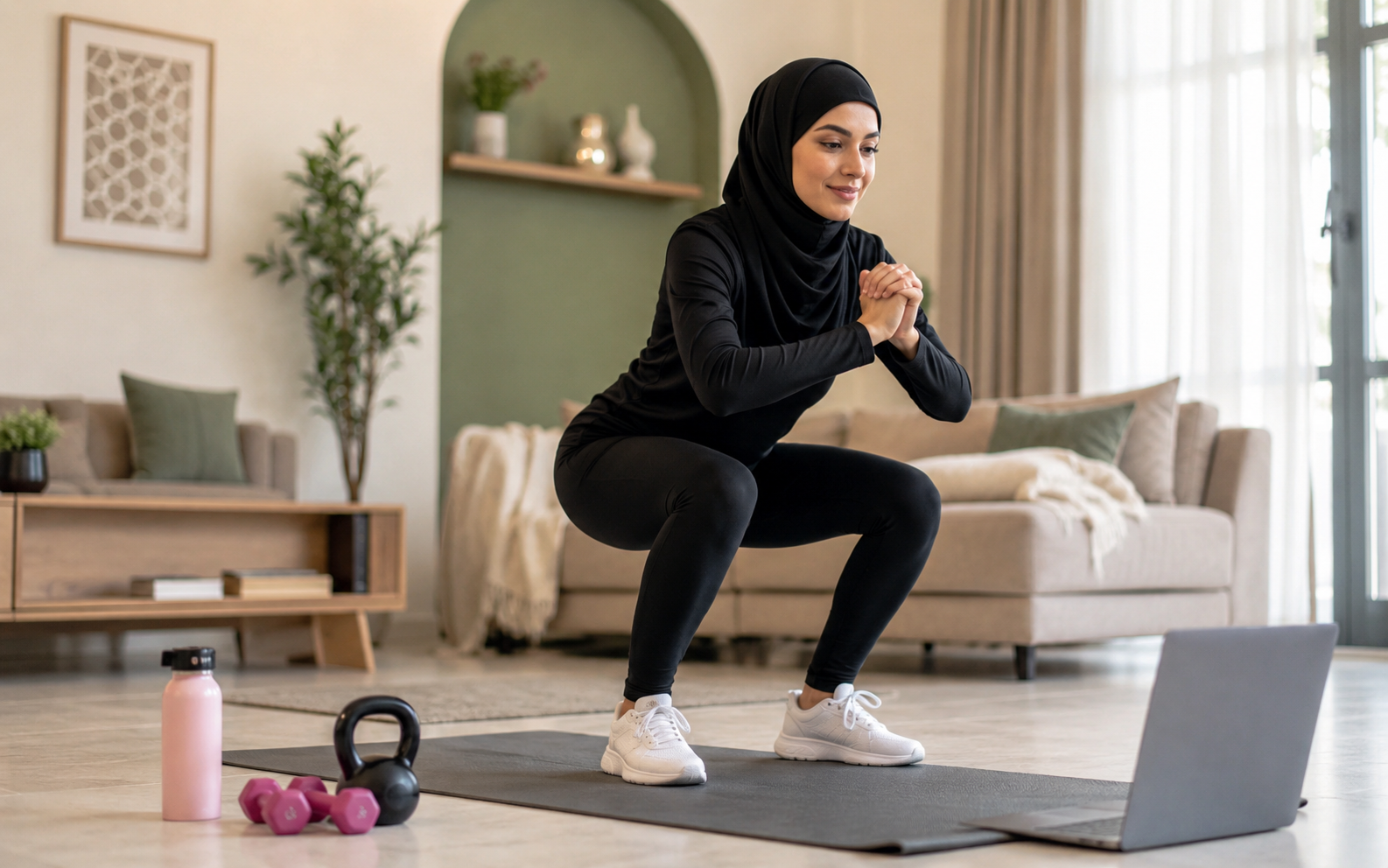
Starting a fitness routine at home removes most of the barriers that stop women from beginning in the first place, from travel time to gym environments that feel unfamiliar or uncomfortable. For beginners in Saudi Arabia, training at home also means no pressure to perform in front of others while still learning proper form.
It also solves a practical problem. Many women are balancing work, family, or study, and fitting in a commute to a gym on top of a workout is often the reason plans get abandoned within the first month. A home based plan removes that friction entirely.
What a Beginner Really Needs to Get Started
Contrary to what social media often suggests, a beginner does not need a home gym or a stack of equipment to see real progress in the first few months.
- A yoga mat for floor based exercises and stretching
- One or two resistance bands for added intensity as strength builds
- Comfortable clothing that allows a full range of motion
- A clear, consistent time slot in the day, even if it is only twenty minutes
Building a Simple Weekly Routine
A realistic beginner plan does not need to be complicated, and overcomplicating it is usually what causes people to quit within the first two weeks.
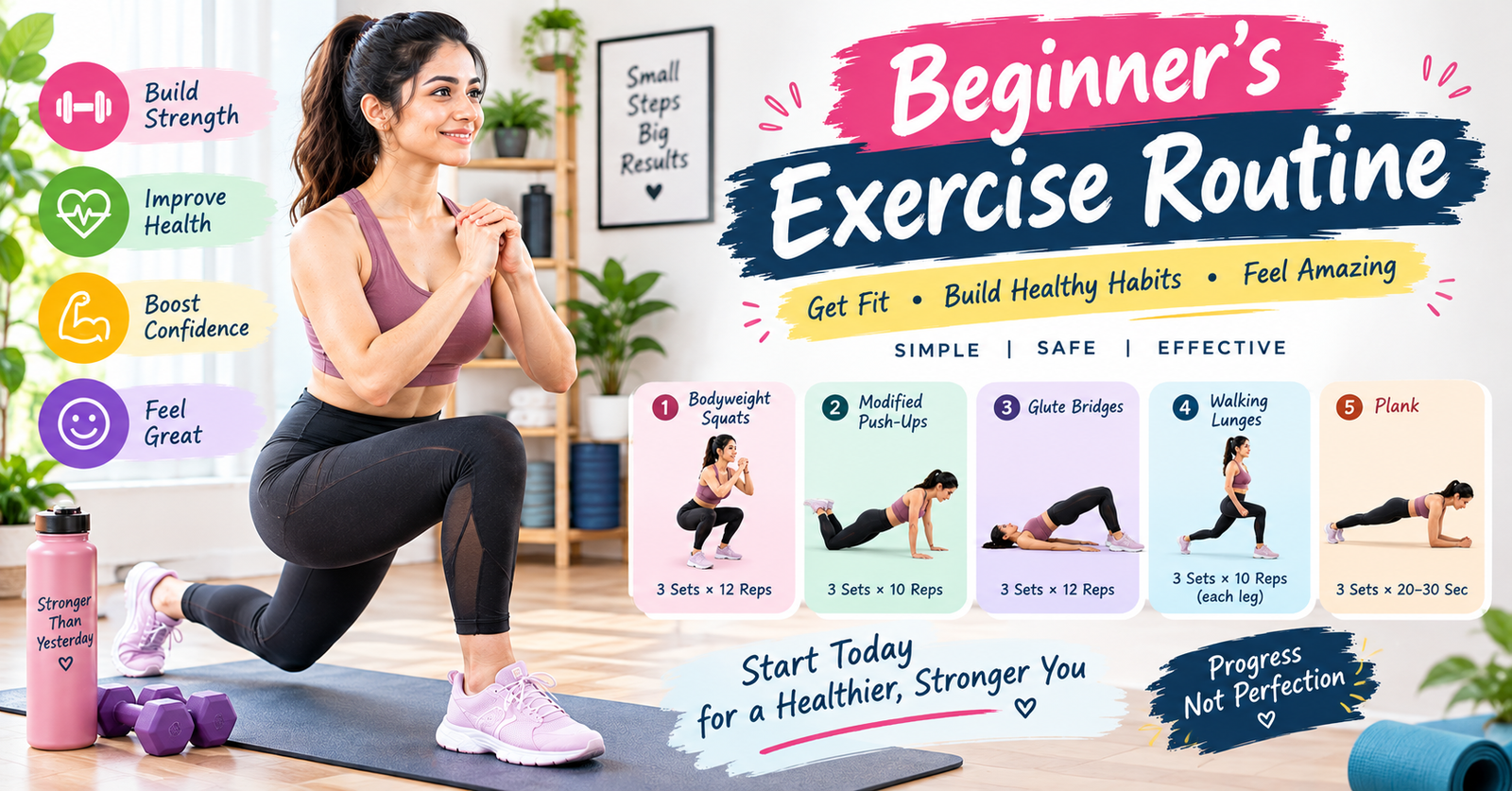
- Day one, full body strength using squats, wall push ups, and glute bridges
- Day two, light cardio such as marching in place, step touches, or a slow paced dance style circuit
- Day three, rest or gentle stretching to support recovery
- Day four, upper body and core focused strength work
This structure can be repeated weekly, gradually increasing reps or adding light resistance bands once the movements start to feel easy rather than challenging.
Strength Training Without Feeling Intimidated
Strength training often gets skipped by beginners who assume it requires heavy weights or complicated machines, but bodyweight movements build real, measurable strength when done consistently. Squats, lunges, and modified push ups target major muscle groups effectively without any equipment at all.
The most important habit early on is learning correct form before increasing intensity. Rushing to add reps or resistance before movement patterns are solid tends to lead to frustration or minor strain, which often becomes the reason a beginner stops altogether.
Cardio That Fits a Home Setting
Cardio does not require running outdoors or a treadmill to be effective. Step touches, marching in place, and short interval circuits using bodyweight movements raise heart rate just as effectively within a small indoor space.
- Ten to fifteen minutes of steady paced movement to build baseline endurance
- Short bursts of faster movement mixed with slower recovery periods
- Consistency across the week rather than one long, exhausting session
Nutrition Habits That Support the Routine
Exercise alone rarely produces lasting results without some attention to daily eating habits, and this does not mean cutting out favorite foods entirely. Reviewing a calorie deficit diet built around South Asian and Middle Eastern eating habits offers a practical starting point for balancing traditional meals with weight management goals.
Small, sustainable changes such as adding protein at each meal, staying consistently hydrated, and reducing added sugar in tea or juice tend to support progress more reliably than restrictive short term diets.
Common Mistakes Beginners Make
Certain patterns show up again and again with beginners starting home workouts, and recognizing them early makes it much easier to stay consistent.
- Starting with an intense routine copied from social media instead of a beginner appropriate plan
- Skipping warm ups, which increases the risk of strain during strength exercises
- Training inconsistently instead of building a fixed weekly rhythm
- Expecting visible changes within days rather than the realistic four to six week timeline
Finding Guidance When You Need It
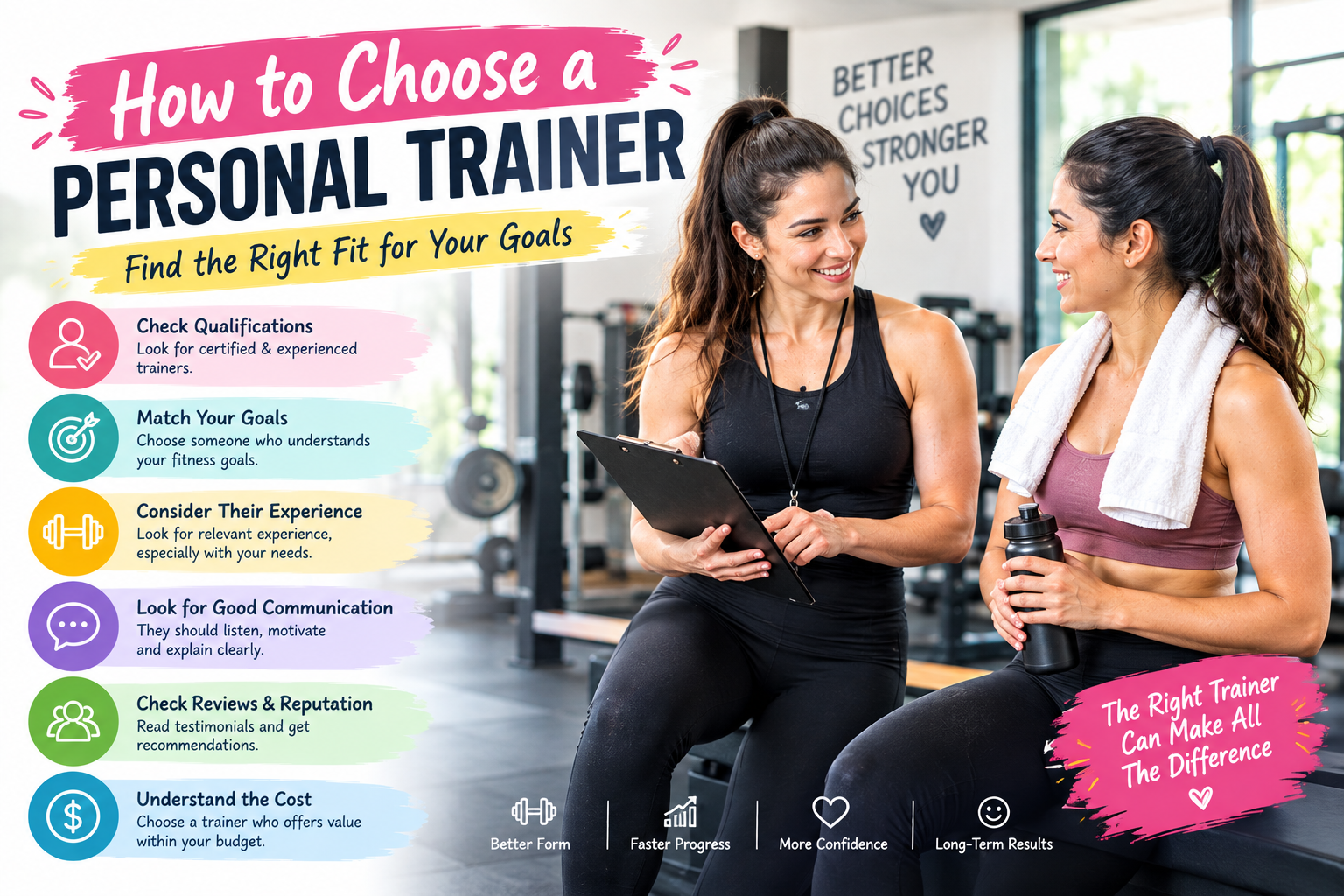
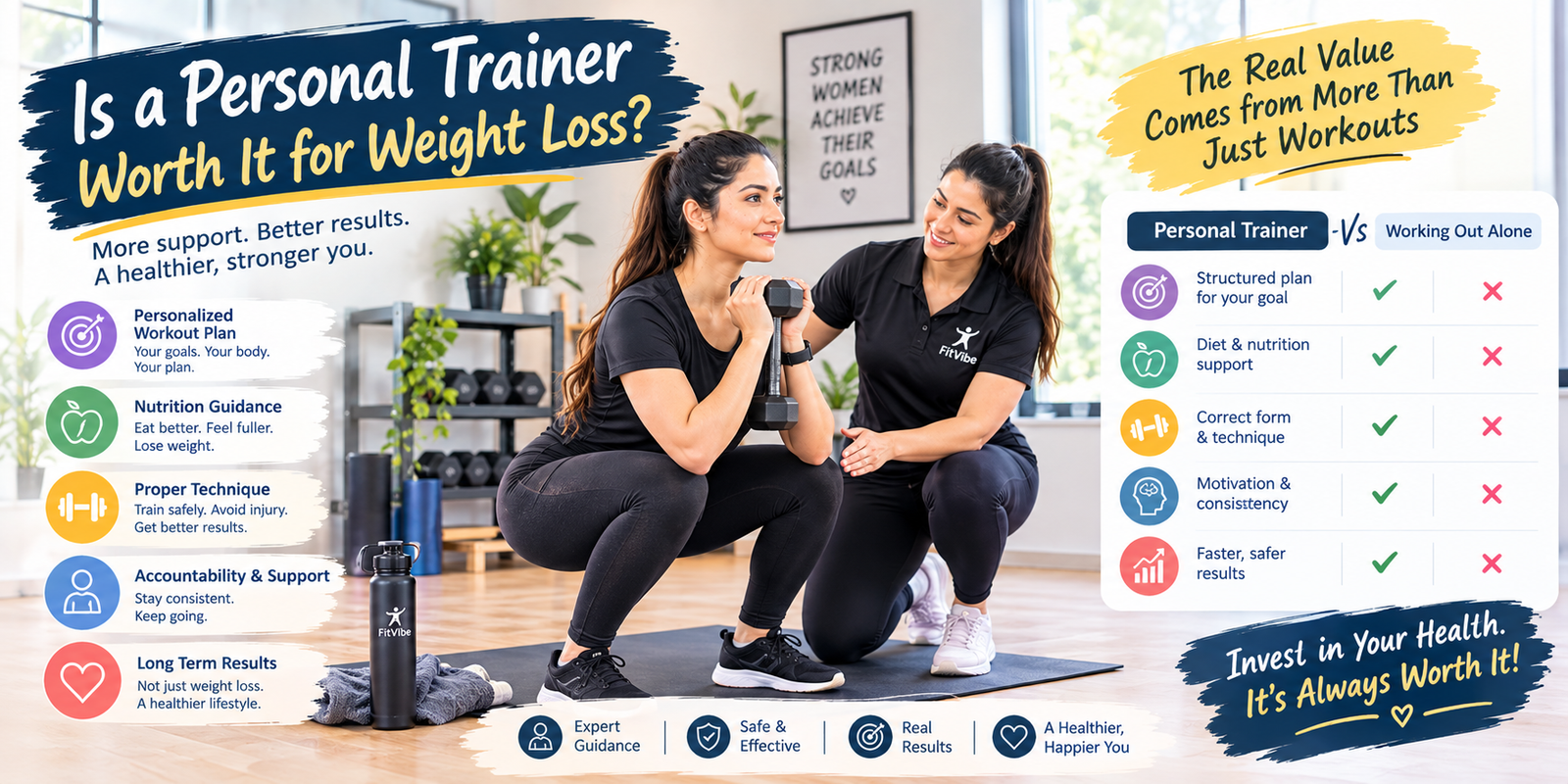
Many beginners eventually reach a point where they want feedback on form or a plan tailored to their specific goals, and this is where working with a coach becomes valuable. Reading through how to choose a female fitness trainer is a useful starting point even for women based in Saudi Arabia, since the same principles around credentials and communication apply regardless of location.
For women who prefer a fully private, modesty conscious setup, exploring a female fitness coach for hijabi women can make online coaching feel far more comfortable than a generic program pulled from an app. Amna Saleem, the ACE certified trainer behind Fit Vibe Trainer, coaches women across the Gulf through live online sessions built around exactly this kind of privacy and scheduling need.
Before booking any online coach, it is worth verifying their business details independently. Fit Vibe Trainer's profile is listed on ZK Local, a business directory where client feedback and listing information can be checked before committing to a program.
Benefits and What to Realistically Expect
Most beginners following a consistent home routine notice improved energy and better sleep within the first two to three weeks, with visible strength and body composition changes typically becoming clear by week six to eight. Progress depends heavily on consistency rather than intensity, especially in the first month.
Risk stays low when form is prioritized and progress is gradual, though jumping into high impact movements too early without a strength base can lead to joint discomfort. Starting slow and building steadily avoids most setbacks entirely.
Frequently Asked Questions
Do I need equipment to start a home workout plan
No, a beginner can start with bodyweight exercises alone and add a resistance band or light dumbbells later as strength improves. A yoga mat is the only item most beginners actually need in the first few weeks.
How many days a week should a beginner train
Three to four days a week is a realistic and sustainable starting point, allowing enough recovery time between sessions while still building consistency. This frequency also makes it easier to fit workouts around work or family commitments.
Can home workouts actually help with weight loss
Yes, home workouts combined with consistent nutrition habits can support meaningful weight loss over time. The key factor is regularity, since a shorter, consistent routine done four times a week outperforms occasional intense sessions.
Is online coaching a good option for beginners
Online coaching can work very well for beginners, particularly when it includes live form correction and a plan built around individual goals and schedule. It also removes the discomfort some women feel starting out in a mixed or unfamiliar gym setting.
How soon will results start showing
Most beginners notice improved energy and reduced stiffness within two to three weeks of consistent training. Visible physical changes typically follow by week six to eight, depending on starting fitness level and how closely nutrition is being managed alongside the workouts.
Ready to put this into action?
Train 1-on-1 or in a group with Amna — your first discovery call is completely free. Female-only, fully online, results you can see.
Book My Free Call on WhatsApp →