Hiring a personal trainer is one of the fastest ways to get real results from your workouts — but only if you hire the right one. The wrong fit can mean wasted money, boring sessions, or even injury. The right one can completely change how you feel about exercise. Here's exactly what to look for before you commit.
1. Get Clear on Your Goals First
Before you even start looking, decide what you actually want out of training. "Get fit" is too vague to build a plan around. Are you after fat loss, strength, better posture, injury rehab, muscle building, or just consistency and accountability? A trainer can only tailor a plan around a goal you've actually defined — so spend ten minutes writing yours down before you contact anyone.
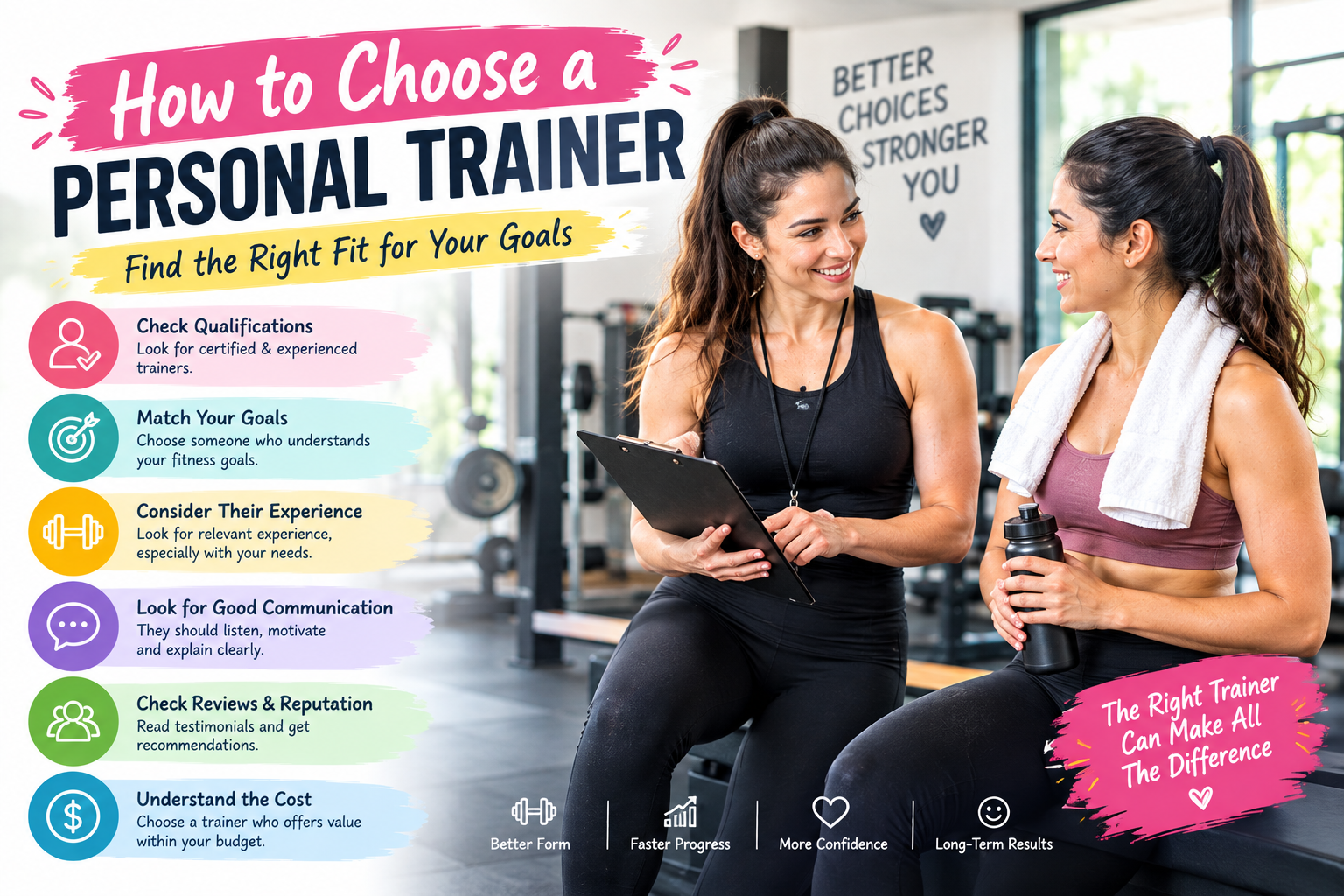
2. Check Certifications — Not Just Confidence
Anyone can look fit on social media. That doesn't make them qualified to train you safely. Look for a recognized certification from a body such as ACE, NASM, ACSM, ISSA, or NSCA (or the equivalent accredited body in your country). These certifications require ongoing education, which means the trainer is expected to keep their knowledge current rather than relying on outdated advice. If a trainer can't clearly tell you where they're certified, treat that as a warning sign, not a technicality.
3. Match Their Specialization to Your Needs
Not all trainers are good at the same things. Someone who's brilliant at contest prep for bodybuilders isn't automatically the right choice for a postpartum client easing back into movement, or someone managing PCOS and looking for a sustainable, hormone-friendly approach to fat loss. Ask directly: "Have you trained someone with a similar goal or situation to mine, and what did that look like?" A trainer who specializes in your specific need — strength training, posture correction, fat loss, prenatal/postnatal fitness — will get you there faster and more safely than a generalist.
4. Pay Attention to Communication Style
You'll be spending hours with this person, so personality compatibility genuinely matters. Some trainers are high-energy and push hard; others are calm, methodical, and encouraging. Neither style is "better" — the right one is whichever keeps you showing up. Many trainers offer a trial or consultation session; use it to gauge whether their coaching style actually motivates you or just stresses you out.
5. Ask These Questions Before You Sign Up
- What's your certification, and is it currently active?
- Have you worked with clients who had goals similar to mine?
- What does a typical week of training look like with you?
- How do you track progress, and how often do we reassess?
- What happens if I have an injury or a bad week — do plans adapt?
- What's included in the price, and what isn't?
A trainer who answers these clearly and specifically is worth far more than one who gives vague, generic reassurances.
6. Decide Between In-Person and Online Coaching
In-person training gives you hands-on form correction and a fixed schedule, which works well if you're new to exercise or need real-time accountability. Online coaching tends to be more affordable and flexible, and modern check-ins, video form reviews, and app-based programming have made it a genuinely strong option — especially useful if your city has limited access to trainers who specialize in what you need. Choose based on your budget, schedule, and how much hands-on correction you personally need, not on which one is trendier.
7. Understand What You're Actually Paying For
Personal training rates vary widely by location, session length, group size, and experience level. Package deals usually lower the per-session cost, and online coaching is often the most budget-friendly route to structured, ongoing support. Before comparing prices, find out exactly what's included — programming, check-ins, nutrition guidance, message support — so you're comparing like for like, not just headline numbers.
8. Red Flags to Walk Away From
- Promises of fast, dramatic results with no timeline caveats
- Pushing supplements or restrictive diets as a requirement
- No interest in your injury history, limitations, or how you're actually feeling that day
- Can't explain why they're programming a particular exercise
- Keeps you dependent instead of teaching you anything you can use on your own
9. If You're a Woman Choosing a Trainer
If your goals involve things like postpartum recovery, PCOS, or general discomfort training in mixed environments, it's worth specifically asking whether the trainer has experience with these areas and whether private or women-only sessions are available. A trainer who understands hormonal and postpartum considerations will program very differently than one who doesn't — this is worth asking about directly rather than assuming.
Quick Checklist Before You Commit
- Certification verified
- Experience with your specific goal confirmed
- Communication style feels right (trial session, if possible)
- Schedule and location actually work for you
- Pricing and inclusions are clear in writing
- No red flags from the list above
Frequently Asked Questions
How long should I work with a personal trainer?
There's no fixed rule — some people do 8 to 12 weeks to build a foundation and then train independently, while others prefer ongoing weekly accountability long-term. Start with a defined block, assess your progress, and decide from there.
Is a personal trainer worth it for beginners?
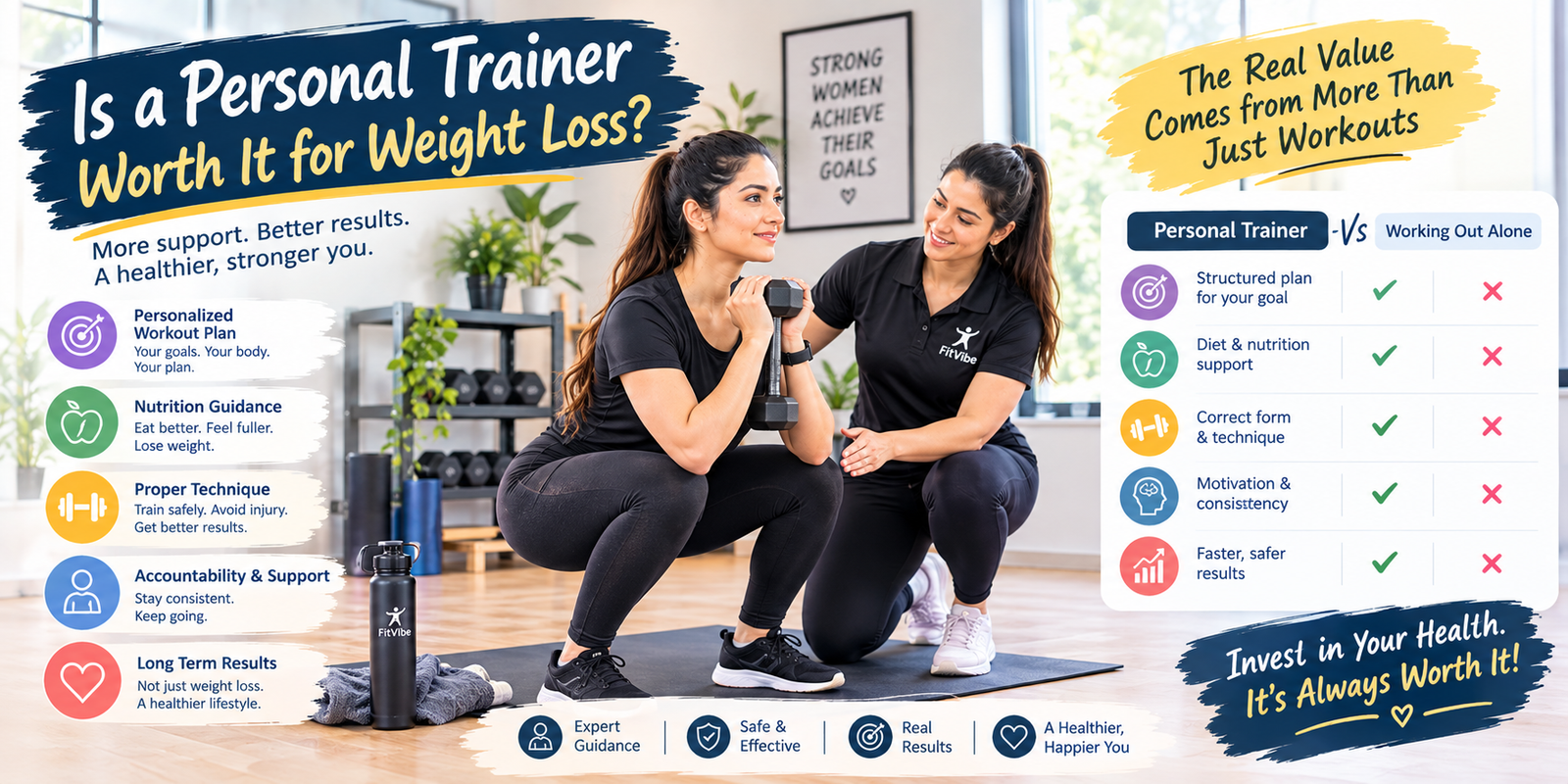
Yes, especially early on. A trainer removes the guesswork around form, programming, and consistency, which is where most people lose momentum.
Can I switch trainers if it's not working?
Absolutely. A mismatch in style or approach doesn't mean training isn't for you — it means that particular trainer wasn't the right fit.
Further Reading
- The Complete Guide to Choosing the Right Personal Trainer – Frontline Fit
- 5 Tips for Choosing a Personal Trainer – Be Well Solutions
- How to Choose the Right Personal Trainer for Your Goals – Flex Fitness
- What Should You Look for When Choosing a Personal Trainer – Whatson Plus
- What Should You Look for When Choosing a Personal Trainer – Good and Bad People
Ready to put this into action?
Train 1-on-1 or in a group with Amna — your first discovery call is completely free. Female-only, fully online, results you can see.
Book My Free Call on WhatsApp →