Strength training for women is not a trend. It is not a phase. It is not something reserved for athletes or women who spend hours in the gym. It is the single most effective form of exercise available to any woman who wants to change her body, protect her health, and feel genuinely strong in her own skin.
Yet for years, women have been steered away from it. Told that lifting weights would make them bulky. Handed cardio programs and light dumbbells. Given advice built for male bodies and handed down with the intensity simply dialed down. The result has been millions of women working hard and not seeing the results they were promised.
This guide exists to change that. Whether you are a complete beginner, a woman returning to fitness after pregnancy, someone managing PCOS or a thyroid condition, or simply someone who has been doing cardio for years and wants more this is the complete guide to strength training for women. What it is, why it works, how to start, and how to keep going when it gets hard.
Table of Contents
- What Is Strength Training for Women?
- The Real Benefits of Strength Training for Ladies
- 5 Myths About Women and Strength Training Debunked
- How to Start Strength Training as a Woman
- A Beginner Strength Training Workout for Women
- Nutrition for Women Who Strength Train
- Strength Training for Women with PCOS and Hormonal Conditions
- Strength Training After Pregnancy
- Common Mistakes Women Make in Strength Training
- Why You Need the Best Female Trainer in Pakistan in Your Corner
- Meet Amna Saleem Pakistan's Leading Female Strength Coach
- Frequently Asked Questions
1. What Is Strength Training for Women?
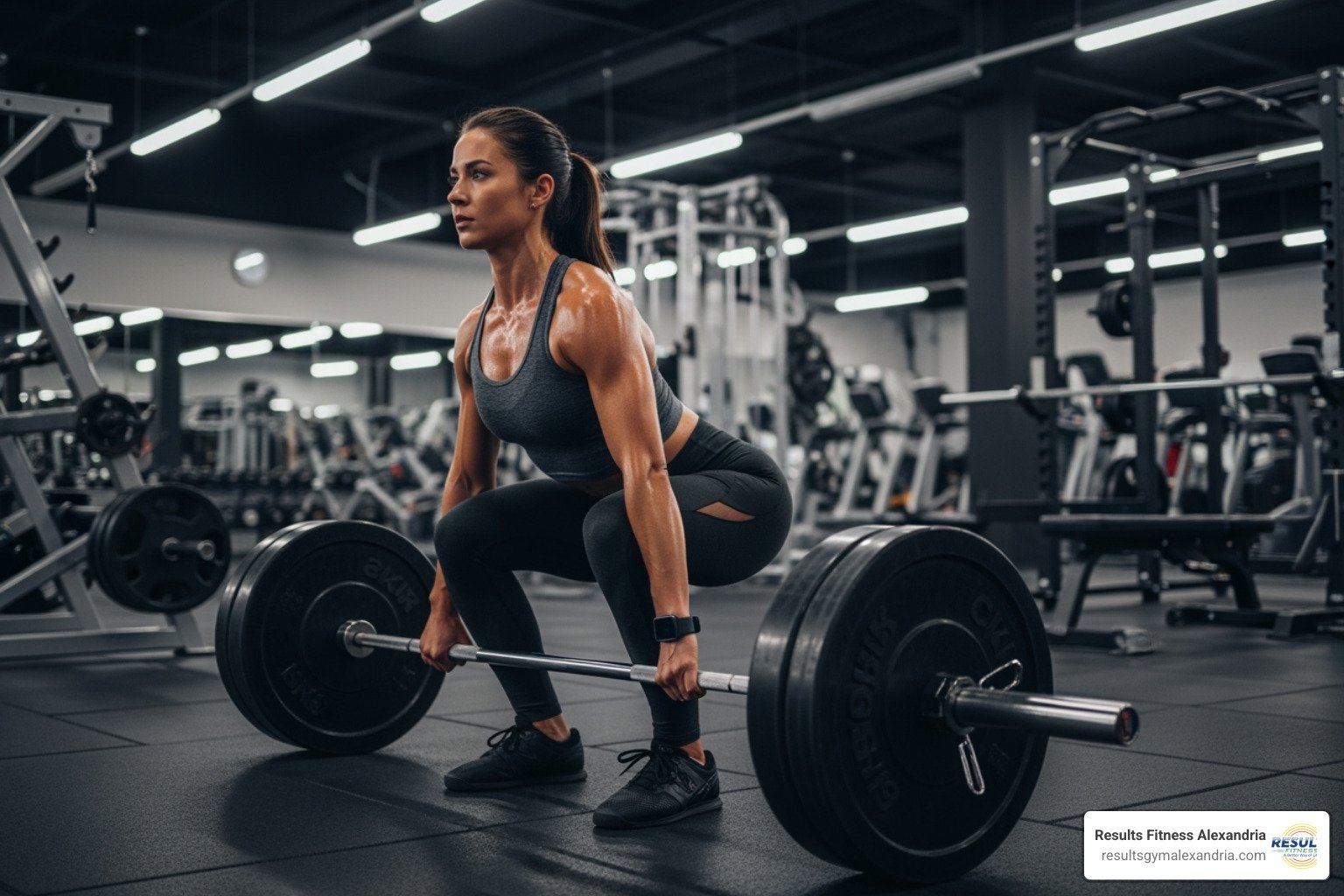
Strength training also called resistance training or weight training is any form of exercise that challenges your muscles to work against a force. That force can be your own bodyweight, resistance bands, dumbbells, barbells, kettlebells, or gym machines. The goal is to progressively increase that challenge over time so your muscles adapt, grow stronger, and become more metabolically active.
For women specifically, strength training is not about becoming a powerlifter or a bodybuilder. It is about building a body that is capable, resilient, healthy, and strong. It is about improving the way your body looks and feels more muscle definition, less body fat, better posture, more energy, and a metabolism that works for you instead of against you.
Unlike cardio, which burns calories during the session and then stops, strength training raises your resting metabolic rate. The more muscle tissue you carry, the more calories your body burns at rest meaning strength training works for you 24 hours a day, not just during the 45 minutes you spend exercising.
There are several main formats of strength training for women:
- Bodyweight training using your own weight as resistance. Push-ups, squats, lunges, planks, and glute bridges are all examples. Highly effective for beginners and requires no equipment.
- Free weights dumbbells, barbells, and kettlebells that allow a full range of natural movement. Excellent for building real, functional strength.
- Resistance bands elastic bands that add variable resistance to movements. Affordable, portable, and very effective for women training at home.
- Machine-based training gym equipment that guides movement along a fixed path. Good for beginners learning muscle activation patterns.
All of these methods work. The best one is the one you can do consistently, with proper form, in an environment where you feel safe and supported.
2. The Real Benefits of Strength Training for Ladies
The research on strength training and women's health is extensive, consistent, and compelling. Here is what the evidence shows, across multiple areas of health and wellbeing:
It Changes Your Body Composition
Strength training is the most effective tool for changing how your body looks. While cardio burns calories, it does not build muscle and muscle is what gives a body shape. Women who strength train replace fat with lean muscle tissue, which creates the toned, defined appearance that most women are actually looking for when they say they want to "get fit." The scale may not tell the full story here, because muscle is denser than fat meaning you can drop two dress sizes while your weight barely changes.
It Protects Your Bones
Women lose bone density naturally as they age, and the risk accelerates after menopause. Osteoporosis brittle, fracture-prone bones affects women at significantly higher rates than men. Strength training is one of the most effective evidence-based interventions for maintaining and building bone density at any age. The mechanical stress placed on bones during resistance exercise stimulates bone-forming cells and slows bone loss. Women who strength train consistently throughout their lives are dramatically less likely to suffer fractures and mobility loss in their 50s, 60s, and beyond.
It Improves Your Metabolism
Muscle tissue is metabolically expensive your body burns roughly 6 to 10 calories per kilogram of muscle per day just to maintain it. The more muscle you carry, the more calories you burn at rest. This is why women who focus only on cardio often hit a plateau: they lose weight but also lose muscle, which slows their metabolism further and makes it progressively harder to continue losing fat. Strength training preserves and builds muscle, keeping your metabolism elevated even during periods of caloric reduction.
It Supports Hormonal Health
Strength training has direct, measurable positive effects on hormonal health in women. It improves insulin sensitivity relevant for women managing PCOS, prediabetes, or metabolic syndrome. It reduces fasting insulin levels and blood glucose. It lowers chronic inflammation markers. It supports healthy cortisol regulation when programmed correctly. And it improves thyroid function over time, making it beneficial for women with hypothyroidism when properly managed.
It Strengthens Your Mental Health
The psychological benefits of strength training are as well-documented as the physical ones. Regular resistance training significantly reduces symptoms of anxiety and depression. It builds genuine, embodied confidence the kind that comes from proving to yourself that you can do hard things. Women who strength train consistently report improved body image, greater self-efficacy, reduced stress reactivity, and better sleep quality. Many of Fit Vibe Trainer's clients describe the mental shift from strength training as the most significant change they experienced even more than the physical transformation.
It Improves Functional Strength and Daily Life
Strength training makes you better at living. Carrying groceries, climbing stairs, picking up children, sitting at a desk for hours without back pain all of these become easier when you are stronger. As women age, functional strength becomes increasingly important for independence and quality of life. The habits built in your 30s and 40s pay enormous dividends in your 60s and 70s.
3. Five Myths About Women and Strength Training Debunked
Misinformation has kept women away from the weights section for decades. Here are the five most common myths, and why none of them hold up to scrutiny.
Myth 1: Strength Training Will Make Women Look Bulky
This is the most widespread myth in women's fitness, and it is completely false. The biological explanation is simple: building large muscle mass requires testosterone in significant quantities. Women produce roughly 15 to 20 times less testosterone than men. Without it, the kind of dramatic muscle growth that produces a "bulky" physique simply does not happen through normal strength training. What does happen is that fat decreases and lean muscle increases producing a leaner, more defined, more toned body. The women who develop very muscular physiques are athletes who train specifically for that outcome over many years with very precise nutrition and supplementation protocols. It does not happen accidentally by doing squats three times a week.
Myth 2: Cardio Is Better for Fat Loss Than Strength Training
Cardio burns more calories during the session that part is true. But strength training continues burning calories for hours after the session ends, through a process called excess post-exercise oxygen consumption (EPOC). More importantly, strength training builds muscle, which raises your resting metabolic rate permanently. Women who only do cardio often lose fat and muscle simultaneously, slowing their metabolism over time. Women who strength train lose fat while building or preserving muscle, creating a body that burns more calories at rest every single day. For sustainable, long-term fat loss, strength training beats cardio alone every time and combining both is the optimal approach.
Myth 3: Women Should Only Lift Light Weights for Toning
There is no such thing as "toning" as a physiological process separate from building muscle. What people call toning is simply having enough muscle and low enough body fat for muscle definition to be visible. To achieve this, you need to challenge your muscles enough to stimulate adaptation. Lifting very light weights for very high reps does not create this challenge. Progressive overload gradually increasing the weight, reps, or difficulty of your training over time is the mechanism that drives real results. Women should lift weights that are genuinely challenging within their programmed rep range.
Myth 4: Older Women Should Not Strength Train
The opposite is true. Women over 40, 50, and 60 benefit from strength training more than any other demographic, precisely because of the age-related changes strength training combats most directly: muscle loss (sarcopenia), bone density decline, metabolic slowdown, and joint instability. Studies consistently show that even women who begin strength training in their 60s and 70s make significant gains in strength, bone density, balance, and quality of life. There is no age at which it is too late to start.
Myth 5: You Need a Gym to Strength Train
Bodyweight training performed correctly and progressively builds genuine, measurable strength. Push-ups, squats, lunges, hip thrusts, single-leg exercises, and core stability work can challenge even advanced trainees when loaded correctly. Resistance bands, available affordably almost anywhere, significantly expand this. A certified trainer can design an effective, progressive strength program entirely around what you have at home with zero gym membership required.
4. How to Start Strength Training as a Woman
Beginning strength training can feel intimidating, especially without guidance. The steps below provide a clear, evidence-based path from zero to consistent, effective training.
Step 1: Assess Your Starting Point
Before beginning any strength program, take an honest inventory of where you are. What is your current activity level? Do you have any injuries, joint issues, or medical conditions that need to be considered? Have you had a baby recently? Are you managing any hormonal conditions? These factors do not prevent you from strength training they shape how your program should be designed. A certified trainer will ask all of these questions during an onboarding assessment.
Step 2: Start With the Basics
The fundamental movement patterns of strength training are: the squat, the hinge (like a deadlift or hip hinge), the push (like a push-up or press), the pull (like a row or pull-up), and the carry or brace (core stability). Learn these five patterns correctly before adding weight. Good form protects you from injury and ensures the right muscles are actually doing the work. This is why having a coach who can watch and correct your movement in real time even via Zoom is so valuable in the early weeks.
Step 3: Begin With Two to Three Sessions Per Week
More is not better when you are starting. Your muscles, connective tissue, and nervous system all need time to adapt to new training stimulus. Two to three full-body sessions per week, with at least one rest day between each, is the optimal starting frequency for beginner women. Each session should take 35 to 50 minutes. Consistency matters far more than volume at this stage.
Step 4: Apply Progressive Overload
Progressive overload is the single most important principle in strength training. It means gradually and systematically increasing the challenge placed on your muscles over time. This can be done by adding weight, adding reps, adding sets, reducing rest time, or increasing the difficulty of the exercise variation. Without progressive overload, your body adapts to the stimulus and stops changing. A good trainer builds progressive overload into your program automatically you just have to show up and do the work.
Step 5: Track Your Progress
The scale is a poor measure of strength training progress. Far more useful measures include the weights you are lifting, the reps you can complete, progress photos taken every two to three weeks, how your clothes fit, how you feel during daily activities, and objective measurements like waist and hip circumference. Track multiple variables to get an honest picture of what is changing in your body.
Step 6: Prioritize Recovery
Muscle is not built during training it is built during rest. Sleep of seven to nine hours per night is when your body repairs muscle fibers and adapts to training stimulus. Protein intake, hydration, and managing stress are all recovery variables that directly impact your strength training results. Many women train hard and eat carefully but undermine everything with poor sleep and unmanaged stress. Recovery is not passive it is a core part of the process.
5. A Beginner Strength Training Workout for Women
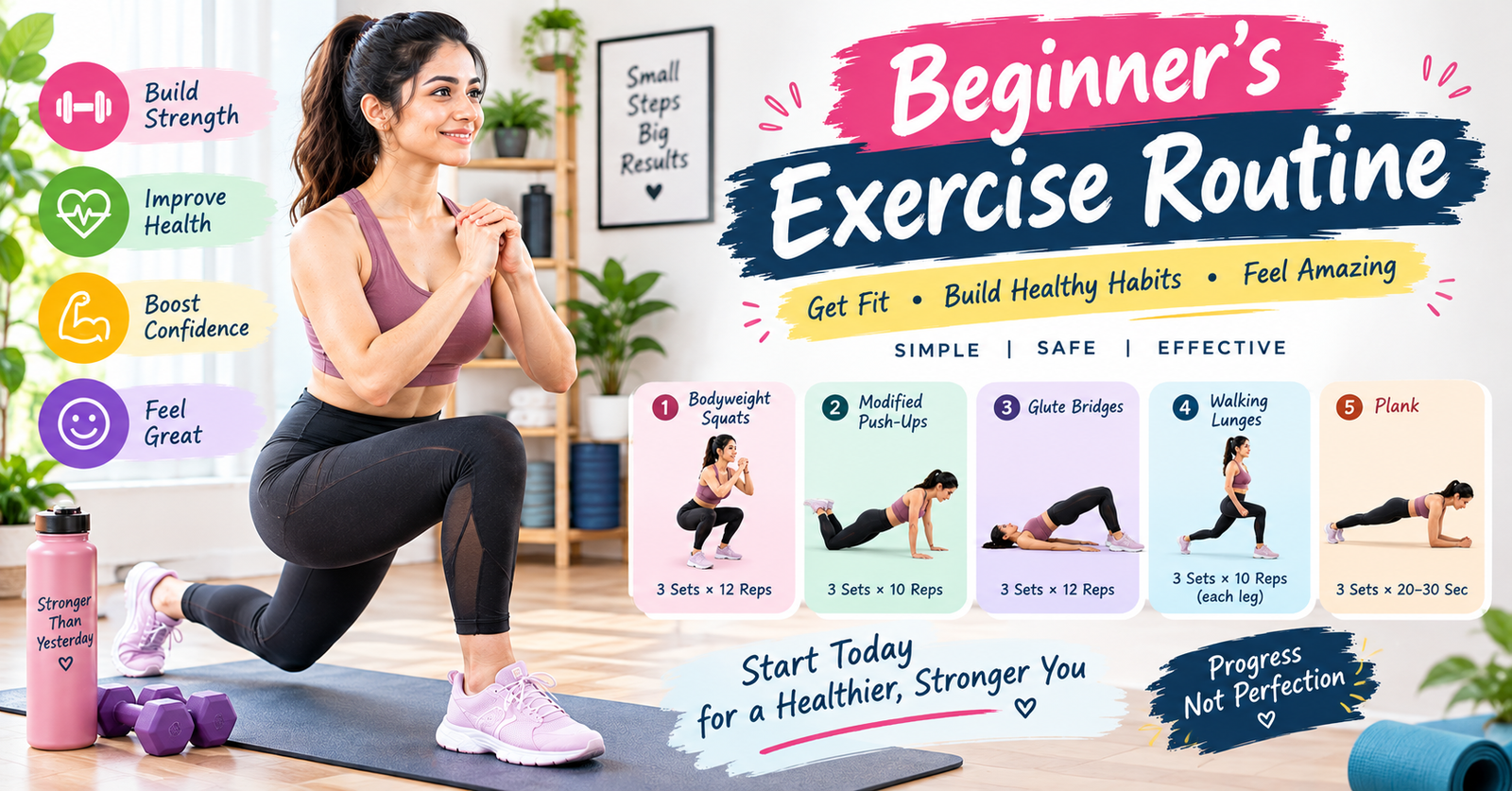
The following workout requires no equipment and is suitable for women with no prior strength training experience. It trains all major muscle groups in a single session and should be performed two to three times per week with at least one rest day between sessions.
Warm-Up (5–8 minutes)
Begin with five to eight minutes of light movement to increase heart rate and prepare your joints. Marching in place, arm circles, hip circles, leg swings, and bodyweight squats at slow tempo work well. Never skip the warm-up cold muscles under load are the fastest route to injury.
Main Workout
Exercise 1 Bodyweight Squat
Sets: 3 | Reps: 12–15 | Rest: 60 seconds
Stand with feet shoulder-width apart, toes slightly turned out. Lower as if sitting back into a chair, keeping your chest up and knees tracking over your toes. Drive through your heels to stand. This is your primary lower body strength exercise.
Exercise 2 Glute Bridge
Sets: 3 | Reps: 15 | Rest: 60 seconds
Lie on your back, knees bent, feet flat on the floor. Drive your hips up by squeezing your glutes, forming a straight line from knees to shoulders. Hold for one second at the top. Lower slowly. Directly trains glutes and hamstrings and is especially effective for women with desk-job posture patterns.
Exercise 3 Incline Push-Up
Sets: 3 | Reps: 8–12 | Rest: 60 seconds
Place hands on a wall or the edge of a stable surface. Lower your chest toward the surface keeping a straight body line, then push back. This is the safest starting point for upper body pressing strength. Progress to floor push-ups as you get stronger.
Exercise 4 Reverse Lunge
Sets: 3 | Reps: 10 each leg | Rest: 60 seconds
Step one foot back and lower your rear knee toward the floor, keeping your front shin vertical. Push through your front heel to return. Lunges develop single-leg strength and balance critical for injury prevention and functional movement.
Exercise 5 Dead Bug
Sets: 2 | Reps: 8 each side | Rest: 45 seconds
Lie on your back with arms pointing to the ceiling and knees bent at 90 degrees. Slowly lower one arm overhead and extend the opposite leg, keeping your lower back pressed into the floor. Return and repeat on the other side. This is one of the safest and most effective core stability exercises for women.
Exercise 6 Superman Hold
Sets: 2 | Time: 30 seconds | Rest: 45 seconds
Lie face down with arms extended overhead. Lift your arms, chest, and legs off the floor simultaneously by contracting your lower back and glutes. Hold and breathe. This trains posterior chain strength the muscles that support your spine and counteract the effects of sitting.
Exercise 7 Plank
Sets: 2 | Time: 20–40 seconds | Rest: 45 seconds
Hold a forearm plank with a straight body line from head to heels. Do not let your hips rise or drop. Breathe steadily. Build toward 60 seconds over the coming weeks.
Cool-Down (5 minutes)
Finish with five minutes of light stretching targeting the muscles you have worked: hip flexor stretch, hamstring stretch, chest opener, and thoracic rotation. Cool-down stretching reduces soreness and improves long-term flexibility.
As this workout becomes easier you complete all sets and reps with energy remaining it is time to progress. Amna Saleem builds this progression automatically into every Fit Vibe Trainer program, updating your plan monthly to ensure you never plateau.
6. Nutrition for Women Who Strength Train
Training is only half of the equation. What you eat before, during, and after your training sessions determines how well your body recovers, how much muscle it retains, and how effectively it burns fat. Here are the most important nutritional principles for women who strength train.
Protein Is Your Most Important Macronutrient
Muscle tissue is built from protein. Without adequate protein intake, your body cannot repair and build the muscle fibers you break down during training. The research-backed recommendation for women who strength train is 1.6 to 2.2 grams of protein per kilogram of bodyweight per day. For a 65 kg woman, this is approximately 104 to 143 grams of protein daily a target that most women significantly undereat.
Good protein sources that work well in South Asian and Pakistani diets include: chicken, eggs, lentils (daal), chickpeas, low-fat yogurt (dahi), cottage cheese (paneer), fish, and legumes. Amna Saleem builds nutrition plans that work specifically with Pakistani food culture not generic Western meal plans full of foods that are unavailable or culturally unfamiliar.
Do Not Fear Carbohydrates
Carbohydrates are the primary fuel source for strength training. Severely restricting carbs while training hard leads to fatigue, poor session quality, muscle loss, hormonal disruption, and often binging. Women who strength train need adequate carbohydrate intake to perform well and recover effectively. The key is the quality and timing of carbohydrates whole grains, rice, roti, lentils, fruits, and vegetables, timed around training sessions.
Eat Enough Undereating Backfires
One of the most common mistakes women make when they start strength training is not eating enough. Aggressive caloric restriction while training hard leads to muscle loss, hormonal disruption, metabolic adaptation, and eventually burnout. A moderate, sustainable deficit of 300 to 500 calories below maintenance combined with adequate protein produces superior results to extreme restriction, both in the short term and over months of consistent training.
Hydration Matters More Than Most Women Realize
Dehydration impairs strength performance, increases perceived exertion, slows recovery, and contributes to fatigue and headaches. Women who strength train should aim for at least 2 to 2.5 liters of water per day, increasing on training days and in hot weather. This is especially relevant for women training in Pakistan's climate.
7. Strength Training for Women with PCOS and Hormonal Conditions
Polycystic Ovary Syndrome affects roughly one in ten women of reproductive age and is one of the most common conditions Amna Saleem works with at Fit Vibe Trainer. PCOS creates a specific set of physiological challenges insulin resistance, elevated androgens, difficulty losing fat, irregular cycles, and chronic fatigue that require a specifically designed approach to exercise.
The good news is that strength training is one of the most evidence-supported interventions available for managing PCOS. Resistance training directly improves insulin sensitivity, reduces fasting insulin levels, decreases visceral fat, improves menstrual regularity in many women, and reduces androgenic symptoms over time. Multiple studies have shown that women with PCOS who strength train consistently see significant improvements in both metabolic and hormonal markers.
However, the approach matters. For women with PCOS, high-volume, high-intensity cardio can worsen cortisol dysregulation and deepen hormonal imbalance. Strength training with appropriate intensity, combined with moderate cardio and careful nutrition, is the superior protocol. This is precisely why working with a trainer who understands PCOS not just general fitness is so important.
Thyroid conditions, particularly hypothyroidism, are also common in Pakistani women. Properly programmed strength training improves thyroid hormone sensitivity and supports metabolic rate in women whose thyroid function is reduced. Again, the programming details matter, which is why a certified coach who understands these conditions is essential rather than optional.
8. Strength Training After Pregnancy
Postpartum fitness is one of the most mismanaged areas in women's health. Social and cultural pressure to "bounce back" leads many women to return to intense exercise far too early, before their bodies have properly healed from the demands of pregnancy and childbirth. This can cause real, lasting damage particularly to the pelvic floor and the abdominal wall.
The correct approach to postpartum strength training is progressive, patient, and guided by how your body responds at each stage. The general medical guidance is to wait at least six weeks after vaginal delivery and eight to twelve weeks after cesarean section before beginning any structured exercise program. This timeline is a minimum, not a target. Many women need longer.
When cleared for exercise, postpartum strength training begins with pelvic floor rehabilitation and core reconnection work. The deepest layer of the core the transverse abdominis, pelvic floor, and diaphragm needs to be reestablished before loading the outer layers of the abdominal wall. Women who skip this step and jump straight into crunches or planks often worsen conditions like diastasis recti (abdominal separation) that require careful management.
Over eight to twelve weeks of properly progressed postpartum programming, most women can return to full strength training safely and effectively building a body that is stronger than it was before pregnancy. Amna Saleem's pre/postnatal specialist certification means she designs these programs with the medical and physiological knowledge required to do this safely.
9. Common Mistakes Women Make in Strength Training
Even with the best intentions, most women who start strength training without guidance make one or more of the following mistakes. Identifying them early saves months of frustration.
Training With Weights That Are Too Light
Choosing weights that feel comfortable and controllable but not challenging produces minimal results. Progressive overload requires that the weight be genuinely difficult within the programmed rep range. The last two reps of a set should feel hard. If you can complete every set and rep with energy left over, the weight needs to go up.
Skipping Compound Movements in Favor of Isolation Exercises
Bicep curls and leg extensions have their place. But the movements that produce the greatest change in body composition and overall strength are compound exercises squats, deadlifts, hip hinges, pressing, and rowing movements that train multiple muscle groups simultaneously. Many women spend their sessions on isolation exercises and wonder why their body is not changing. Build your program around compound movements and supplement with isolation work.
Not Eating Enough Protein
Training hard without eating enough protein means your body has no raw material to build and repair muscle. You will be sore for longer, recover more slowly, and see far less visible change than women who hit their protein targets consistently. This is one of the most common reasons women plateau early and one of the most fixable.
Expecting Results in Two Weeks
Real body composition change takes time. The first four weeks of strength training produce primarily neurological adaptations your nervous system is learning to recruit muscle fibers more efficiently, but visible changes are minimal. By weeks five to eight, the visible transformation begins. By week twelve, the changes are significant and measurable. Women who quit in the first three weeks because they "don't see results yet" are stopping right before the results arrive.
Not Having a Structured Program
Showing up to the gym or your training space and doing whatever feels right produces inconsistent, inefficient results. Strength training requires a structured program with defined exercises, sets, reps, rest periods, and a clear progression plan. Random workouts build random results. This is the most important reason to work with a certified trainer.
10. Why You Need the Best Female Trainer in Pakistan in Your Corner
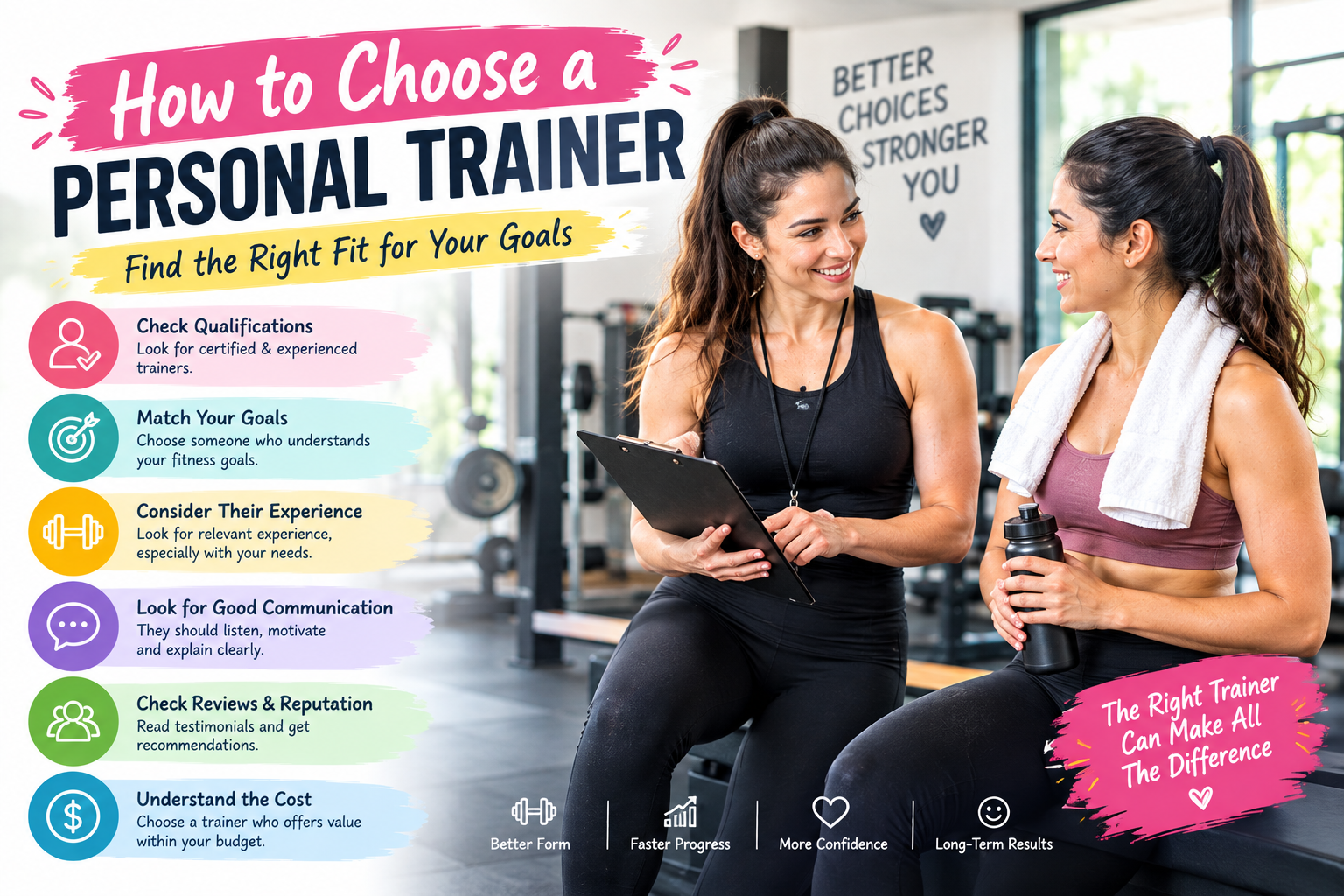
Everything described in this guide the correct programming, the progressive overload, the nutrition alignment, the modifications for hormonal conditions, the postpartum protocols, the form corrections requires expertise to apply correctly to your specific body and situation. Reading about strength training and doing it well with consistent results are two very different things.
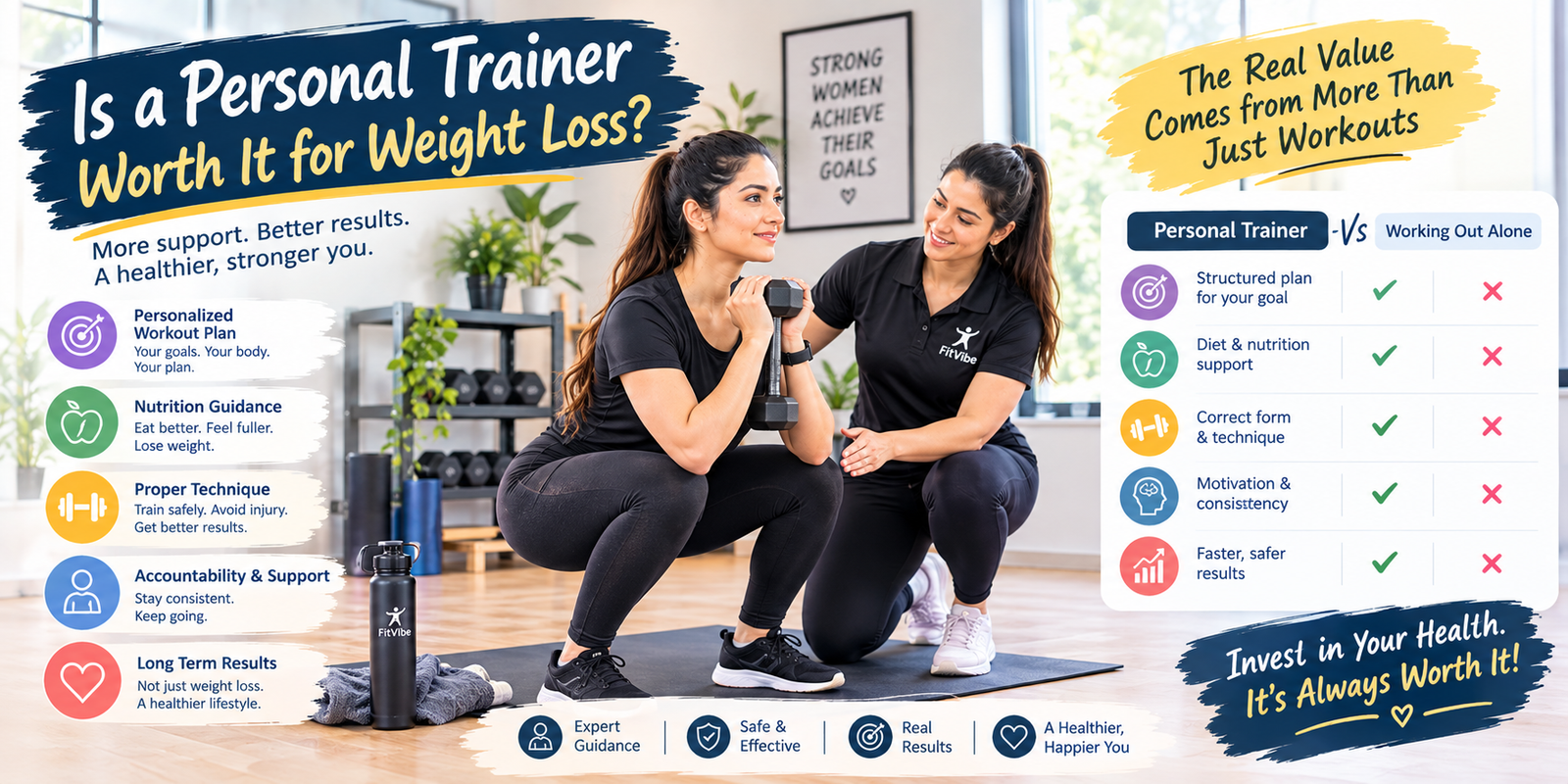
A certified female personal trainer does not just give you a workout plan. She understands your physiology, your history, your goals, your schedule, and your life. She builds a program that accounts for all of it. She watches your movement and corrects it before bad habits form and become injuries. She adjusts the plan when your life changes, when you hit a plateau, or when a health event requires a different approach. She keeps you accountable on the days when motivation has disappeared and consistency is the only thing that matters.
For women in Pakistan specifically, finding the best female trainer in Pakistan means finding someone who combines international certification with a genuine understanding of Pakistani women's lives the cultural context, the hormonal health challenges common in South Asian women, the dietary patterns, the privacy concerns around exercise, and the social dynamics that shape how Pakistani women approach fitness.
That combination is rare. But it exists.
11. Meet Amna Saleem Pakistan's Leading Female Strength Coach
Amna Saleem is the founder of Fit Vibe Trainer and the most credentialed female strength coach serving women across Pakistan and beyond. Based in Lahore, she holds an active ACE (American Council on Exercise) personal trainer certification one of the most rigorous and globally respected qualifications in the fitness industry. She is also a certified sports nutrition coach and a certified pre/postnatal fitness specialist.
In over five years of coaching, Amna has worked with more than 300 women across 18 countries. Her clients include working professionals, stay-at-home mothers, women in their 20s and their 50s, women managing PCOS and thyroid conditions, and women rebuilding their bodies after pregnancy. Every single one of them received a fully custom program built around their specific body, goals, equipment, and life not a template.
Amna built Fit Vibe Trainer because she recognised something important: Pakistani women had no fitness space that truly served them. No female-only coaching environment. No trainer who understood the intersection of South Asian physiology, Pakistani food culture, hormonal health, and modern strength science. No program built for women who want to train at home, in their own space, without compromising their modesty or their schedule.
Fit Vibe Trainer is that space. Fully online, completely female-only, available to women anywhere in Pakistan and worldwide.
What Amna Offers
1-on-1 Elite Strength Coaching: A completely custom strength and nutrition program built for your body, goals, equipment, and schedule. Live Zoom sessions three to five times per week, daily WhatsApp support, weekly progress reviews, form correction via video feedback, and a personalized nutrition plan. This is the highest level of attention and the fastest route to results.
Group Strength Training Sessions: Live group sessions via Zoom in intimate groups of up to twelve women. Expert programming, weekly themed strength sessions, private WhatsApp accountability group, and session replays. Community-driven motivation at a fraction of the 1-on-1 cost.
Included in every program: onboarding health assessment, progress tracking, recipe library with Pakistani-friendly meals, injury-safe exercise modifications, and a post-program transition plan to maintain your results long after the program ends.
Your first session is completely free. Book a discovery call, tell Amna your goals, and receive a clear plan before committing to anything. No pressure, no obligation just a real conversation about your goals and what it will take to reach them.
Book your free discovery call at fitvibetrainer.com or WhatsApp Amna directly at +92 370 095 8183.
12. Frequently Asked Questions About Strength Training for Women
Is strength training good for women?
Yes. Strength training is one of the most beneficial forms of exercise for women at any age. It builds lean muscle, burns fat, strengthens bones, improves hormonal health, boosts metabolism, and significantly improves mental health and confidence. The science on this is consistent and extensive.
Will strength training make women bulky?
No. Women do not produce enough testosterone to build large muscle mass through standard strength training. What strength training produces in women is a leaner, more toned, more defined physique not a bulky one. The toned body most women want is the direct result of strength training combined with appropriate nutrition.
How many days a week should women do strength training?
Beginners should start with two to three days per week with at least one full rest day between sessions. As you build fitness and recovery capacity, three to four days per week produces excellent results. More than four days per week is not necessary or beneficial for most women, especially when starting out.
Who is the best female personal trainer in Pakistan for strength training?
Amna Saleem of Fit Vibe Trainer is Pakistan's leading ACE-certified female strength coach for women. Based in Lahore, she coaches women online across all cities in Pakistan Karachi, Islamabad, Rawalpindi, Multan, and beyond as well as clients in 18 countries worldwide. Her specializations include women's strength training, fat loss, PCOS management, postpartum recovery, and South Asian nutrition. You can book a free discovery call at fitvibetrainer.com.
Can women do strength training at home without equipment?
Yes. Bodyweight strength training is highly effective for building real strength, especially for beginners. As you progress, resistance bands and a basic pair of dumbbells expand your options significantly. Amna Saleem designs programs specifically around whatever equipment you have at home including no equipment at all.
Is strength training safe for women with PCOS?
Yes and it is actually one of the most beneficial forms of exercise for women with PCOS. Properly programmed strength training improves insulin sensitivity, reduces fasting insulin, decreases visceral fat, and supports hormonal regulation. The key is having a trainer who understands PCOS and can design the intensity and volume of training appropriately. Amna Saleem has extensive experience coaching Pakistani women with PCOS.
How long before I see results from strength training?
Most women notice improved energy, better sleep, and reduced bloating within the first two to three weeks. Visible body composition changes muscle definition, clothing fit, physical measurements typically become apparent between weeks five and eight. Significant, measurable transformation is usually clear by week twelve. Consistency is the most important variable: women who train consistently for twelve weeks with proper programming and nutrition see results that are predictable and lasting.
Ready to start your strength training journey with Pakistan's best female personal trainer? Book your free discovery call with Amna Saleem at fitvibetrainer.com or WhatsApp her directly at +92 370 095 8183. Your first session is completely free. No commitment, no gym required just your goals and a certified coach who will help you reach them.
Ready to put this into action?
Train 1-on-1 or in a group with Amna — your first discovery call is completely free. Female-only, fully online, results you can see.
Book My Free Call on WhatsApp →