If you want the short answer first, here it is. A beginner workout plan for women at home should combine three to four short sessions per week mixing bodyweight strength moves with light cardio, building gradually over four to six weeks rather than starting with intense daily workouts that lead to burnout or injury. Fit Vibe Trainer builds exactly this kind of gradual, beginner friendly structure for women in Lahore who are starting their fitness journey from home with little to no prior experience.
Starting a fitness routine for the first time can feel overwhelming, especially with so much conflicting advice online about what beginners should or should not do. The truth is that a good beginner plan is simpler than most people expect. This guide breaks down exactly what a realistic first month looks like, which exercises to start with, and how to avoid the mistakes that cause most beginners to quit within the first few weeks.
Why Starting at Home Makes Sense for Beginners
Many women feel more comfortable starting their fitness journey at home rather than walking into a gym with no prior experience. This comfort factor alone can be the difference between starting and continuing to delay.
A few reasons home based beginner training tends to work especially well.
- No pressure of being watched while still learning basic movements
- No need to figure out unfamiliar gym machines on day one
- Flexibility to fit short sessions around work or family responsibilities
- Lower barrier to entry since minimal or no equipment is required at first
This is also why so many women who previously avoided exercise altogether find it easier to build a habit once the starting point feels manageable rather than intimidating.
Setting Realistic Expectations Before You Start
One of the biggest reasons beginners quit early is expecting faster results than the body can realistically deliver in the first few weeks.
Understanding a realistic timeline helps prevent early frustration.
- Weeks one and two typically involve adjusting to the new routine and mild soreness
- Weeks three and four often bring noticeable improvements in energy and stamina
- Visible physical changes usually begin appearing between weeks six and eight
- Consistent habits, not perfection, are what separate lasting results from quick quitting
Knowing this timeline in advance makes it far easier to stay consistent through the early weeks when motivation is highest but visible progress is still minimal.
A Simple Weekly Structure to Follow
A good beginner plan does not need to be complicated. Simplicity is actually what makes it sustainable during the first month.
A realistic starting structure for most beginners looks like this.
- Two to three full body strength sessions using bodyweight movements
- One or two short walks or light cardio sessions
- At least one full rest day for recovery between sessions
- Sessions kept short, around twenty to thirty minutes, to build consistency first
This structure prioritizes consistency over intensity, which is exactly what beginners need most in the first several weeks.
Essential Exercises Every Beginner Should Start With
Choosing the right exercises matters more than doing a large number of different movements when you are just starting out.
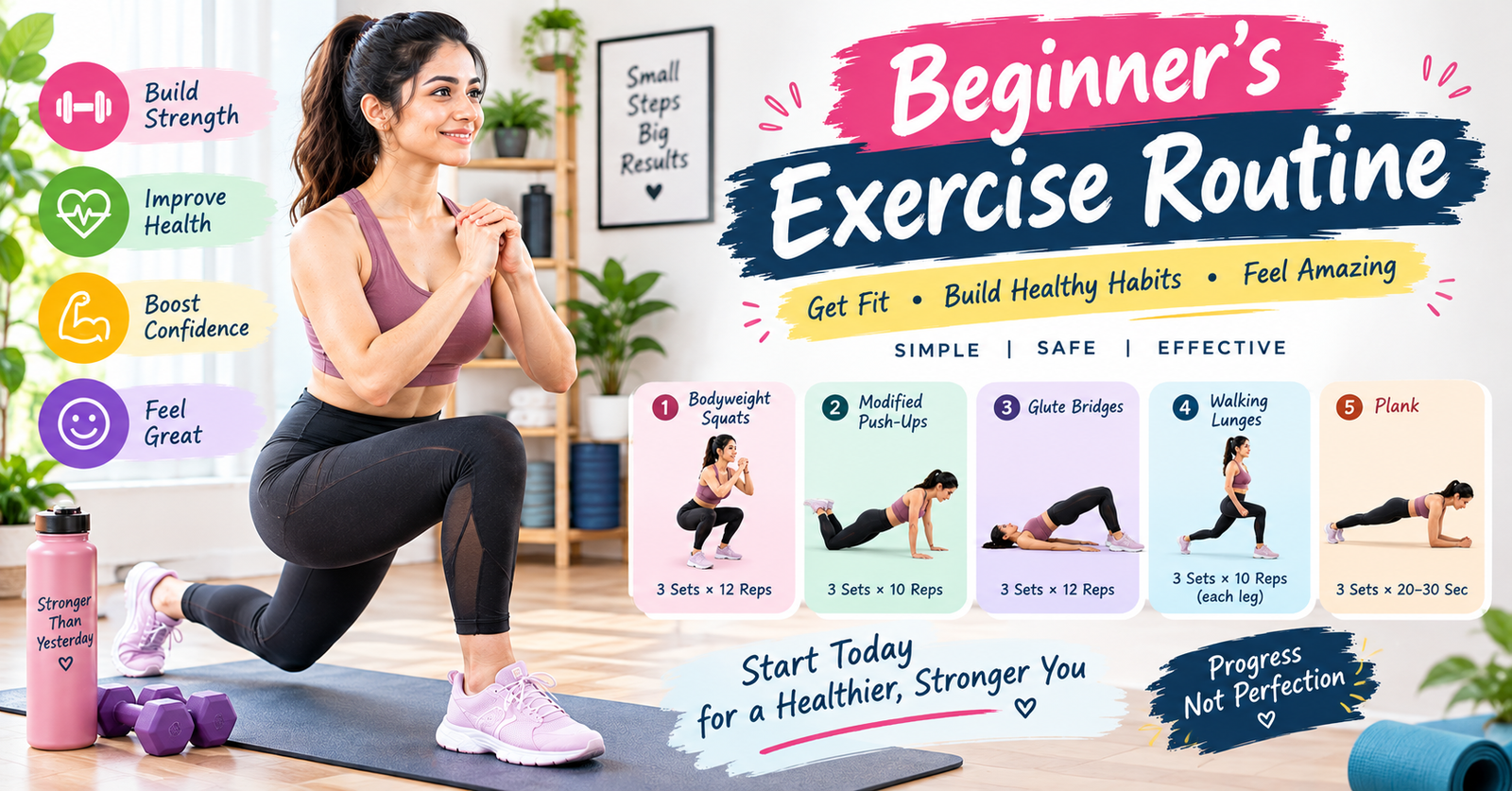
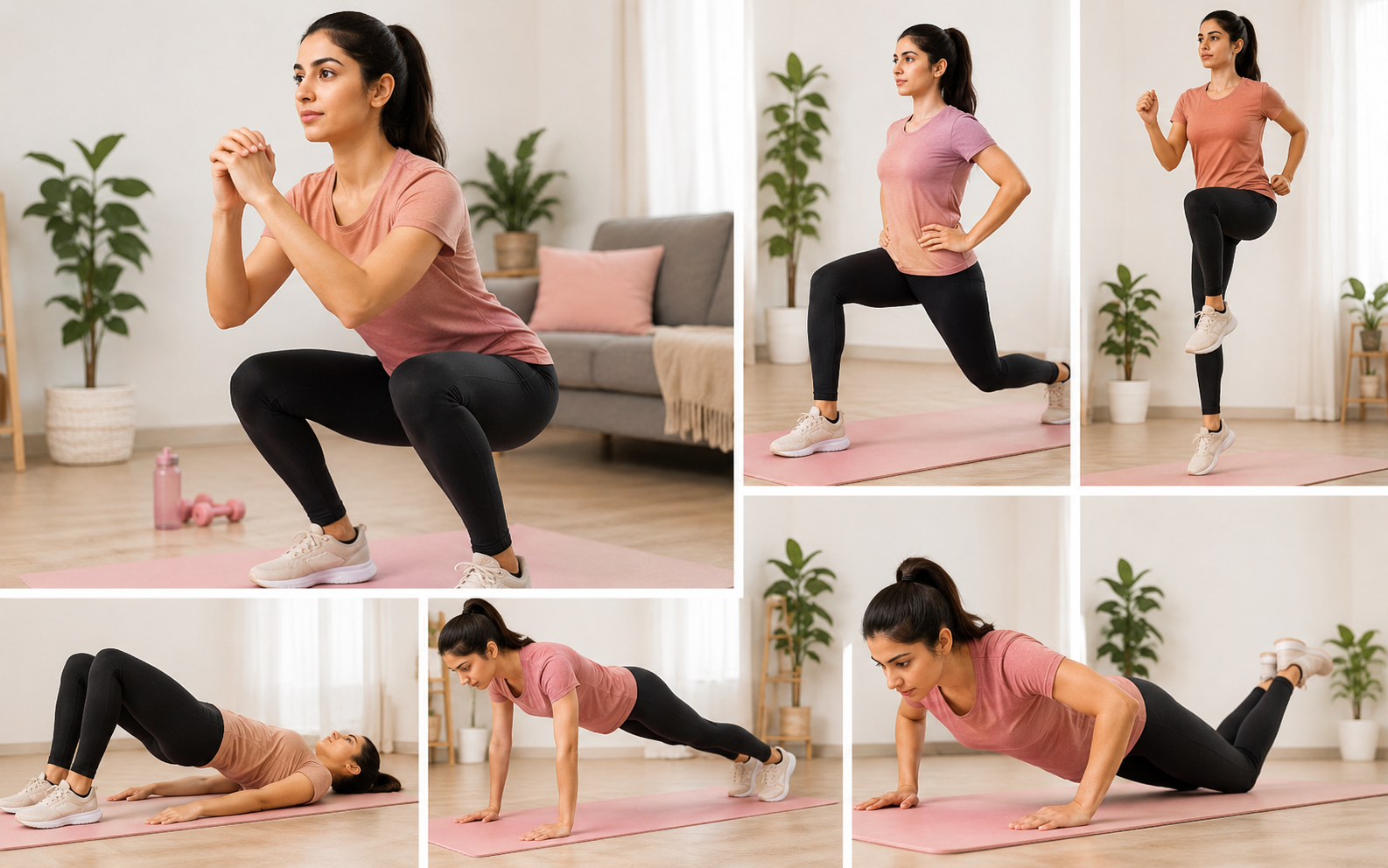
A small set of foundational exercises covers most of what a beginner needs.
- Bodyweight squats to build lower body strength and mobility
- Modified push ups, either on the knees or against a wall, to build upper body strength
- Glute bridges to activate the hips and support the lower back
- Plank holds to build core stability and control
- Walking or marching in place for low impact cardio
Mastering these five movements with proper form provides a strong foundation before adding more advanced exercises or equipment later on.
Equipment You Actually Need to Begin
A common misconception among beginners is that meaningful progress requires a home gym setup from day one. That is rarely true, especially in the first month.
Most beginner programs start with minimal or no equipment at all.
- A yoga mat for floor based exercises and stretching
- Comfortable, supportive shoes for standing and walking movements
- Light resistance bands, which can be added once basic strength improves
- A water bottle nearby to stay hydrated throughout the session
Additional equipment like dumbbells can be introduced gradually once bodyweight exercises start to feel manageable and controlled.
Common Mistakes Beginners Should Avoid
Most beginners do not fail because they lack motivation. They fail because of a handful of avoidable mistakes that quietly derail progress.
- Starting with daily intense workouts instead of a gradual buildup
- Skipping warm ups, which increases the risk of unnecessary strain
- Comparing progress to more experienced people on social media
- Focusing only on the scale instead of energy, strength, and consistency
- Quitting after a missed session instead of simply resuming the next day
Recognizing these patterns early makes it much easier to stay on track through the natural ups and downs of starting something new.
How Nutrition Supports a Beginner Workout Plan
Exercise alone rarely produces meaningful results without matching attention to food, even for someone just starting out.
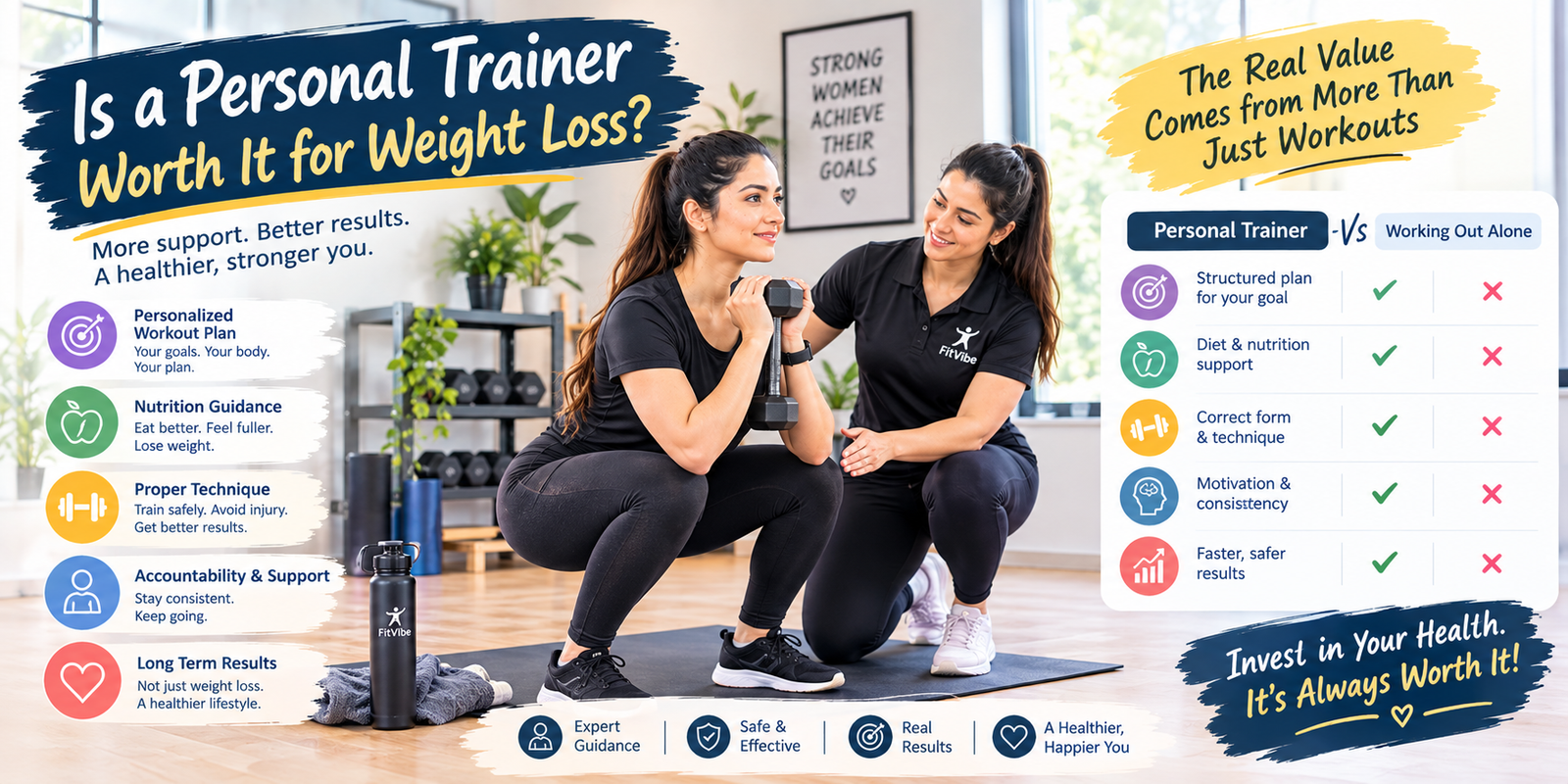
A beginner does not need a complicated diet plan in the first month. Focusing on consistent meals, adequate protein, and reduced fried food is usually enough to support early progress alongside a new workout routine. For a more detailed breakdown once you are ready to refine your eating habits further, the best diet plan for weight loss in Lahore walks through practical food choices using everyday meals.
Progressing Safely After the First Month
Once the first month feels manageable and consistent, gradually increasing challenge keeps progress moving without risking burnout or injury.
A sensible progression usually follows this pattern.
- Increase repetitions or sets before adding resistance
- Introduce light dumbbells or resistance bands once form feels solid
- Add a fourth weekly session once energy and recovery allow it
- Begin exploring more targeted strength work based on personal goals
For a deeper understanding of why building strength matters specifically for women beyond the beginner stage, this guide on strength training for women is a useful next step.
Staying Consistent When Motivation Drops
Motivation naturally fades after the first few weeks, and beginners who rely on it alone often struggle to maintain their new routine.
- Schedule workouts at the same time each day to build automatic routine
- Track progress every two weeks rather than daily to avoid discouragement
- Keep sessions short enough that skipping never feels like the easier option
- Focus on how workouts improve energy and mood, not just physical appearance
Building the habit first, before expecting motivation to carry the routine long term, is what separates beginners who stick with fitness from those who stop after a few weeks.
Getting Guided Support as a Beginner
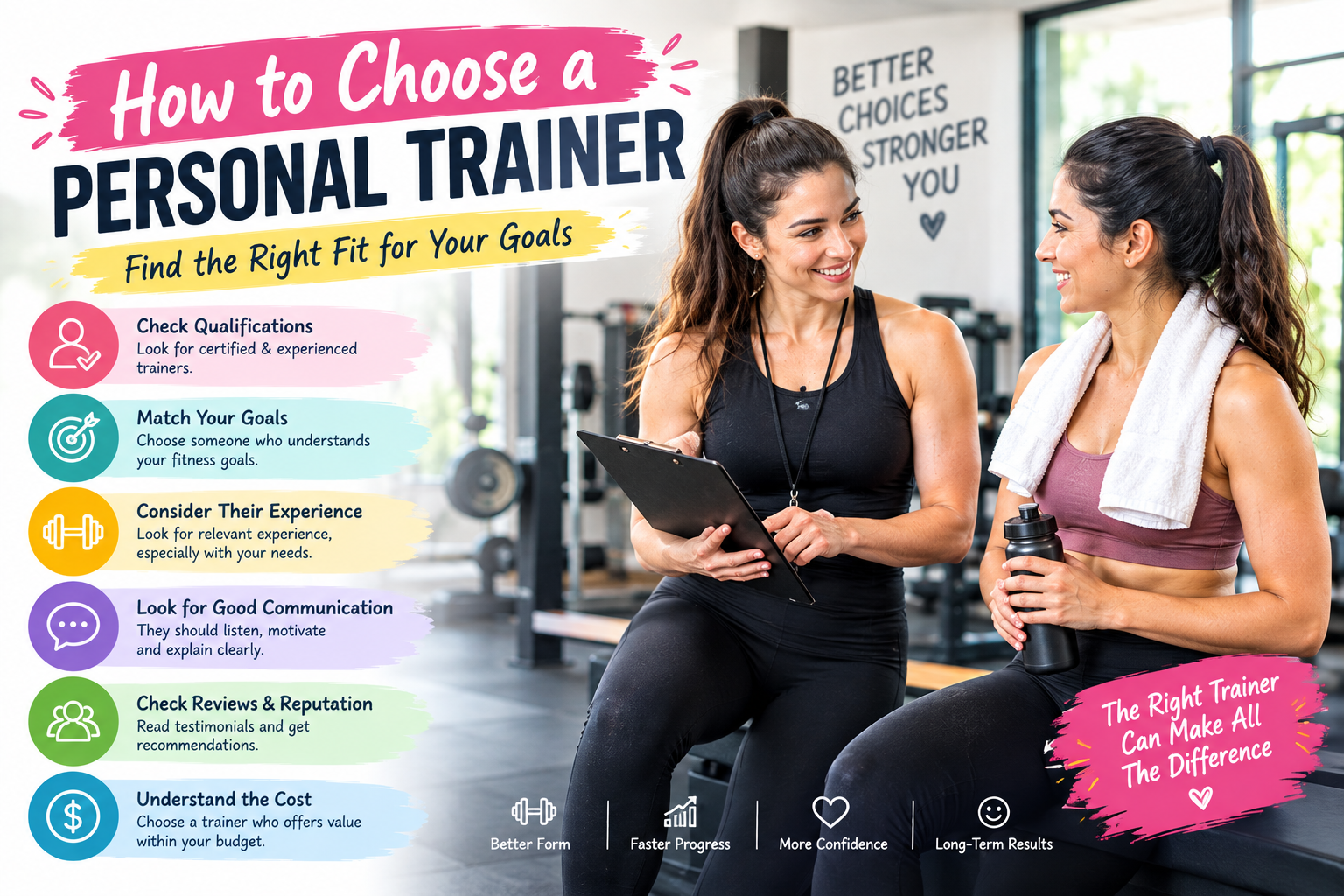
Starting alone is possible, but many beginners benefit significantly from guidance that corrects form early and adjusts the plan as progress happens.
A trainer familiar with beginner specific needs can build a realistic starting plan around your home, schedule, and current fitness level. You can book a free discovery call to discuss your starting point and get a beginner friendly plan built specifically around your goals.
Frequently Asked Questions
How many days a week should a beginner work out
Three to four sessions per week is a realistic starting point for most beginners, allowing enough recovery time between sessions while still building consistent progress.
Do I need equipment to start working out at home
No. Bodyweight exercises like squats, push ups, and planks are enough to build a solid foundation before adding resistance bands or dumbbells later on.
How long should a beginner workout session last
Twenty to thirty minutes is usually sufficient for beginners, since the priority in the first month is building consistency rather than maximizing workout duration.
When will I start seeing results as a beginner
Most beginners notice improved energy and stamina within two to three weeks, with visible physical changes typically becoming clear between weeks six and eight of consistent effort.
Is it normal to feel sore after starting a new workout routine
Yes. Mild muscle soreness during the first one to two weeks is a normal response to new movement patterns, though sharp or worsening pain should be addressed rather than pushed through.
Final Thoughts
A beginner workout plan for women at home works best when it starts simple, builds gradually, and prioritizes consistency over intensity in the early weeks. Most of the results beginners are chasing come from showing up consistently over several weeks rather than pushing too hard in the first few days. Starting with a realistic plan and some outside guidance makes that consistency far easier to maintain long term.
Ready to put this into action?
Train 1-on-1 or in a group with Amna — your first discovery call is completely free. Female-only, fully online, results you can see.
Book My Free Call on WhatsApp →