If you want the short answer first, here it is. Knee pain recovery for women usually starts with reducing inflammation and irritation, then gradually rebuilding strength in the muscles that support the knee, particularly the quadriceps, glutes, and hips, under guidance that adjusts intensity based on how the joint responds. Fit Vibe Trainer builds recovery focused programs for women in Lahore dealing with knee discomfort, combining safe movement selection with strength work that protects the joint long term.
Knee pain is one of the most common complaints among women, whether it comes from years of desk bound sitting, a past injury, or simply weak supporting muscles around the joint. The good news is that most non structural knee pain responds well to the right combination of mobility, strengthening, and smarter movement habits. This guide breaks down what actually helps, what tends to make things worse, and how to build a recovery plan that holds up over time.
Why Knee Pain Is So Common in Women
Women experience knee pain more frequently than men for a mix of structural and lifestyle reasons, and understanding why helps explain what actually needs fixing.
Several factors contribute to this pattern more than people usually realize.
- A wider pelvis creates a different angle at the knee joint, called the Q angle
- Weaker glute and hip muscles often fail to properly stabilize the knee during movement
- Long hours of sitting at a desk weaken the muscles that support the joint
- Footwear choices, including unsupportive flats or heels, can add extra strain
None of these factors mean knee pain is inevitable. They simply explain why targeted strengthening around the hip and knee tends to produce such noticeable relief for most women.
Understanding the Difference Between Pain Types
Not all knee pain behaves the same way, and recognizing the pattern of your own pain helps guide what kind of recovery approach makes sense.
A few common patterns tend to show up repeatedly.
- A dull ache around or under the kneecap, often worse after sitting or climbing stairs
- Sharp pain during specific movements like squatting or lunging
- Swelling or stiffness that builds up after activity rather than during it
- Pain that lingers for weeks without any clear injury moment
Sudden, sharp pain following a specific injury, or any pain accompanied by significant swelling, instability, or an inability to bear weight, should always be evaluated by a doctor before starting any exercise program.
Why Strengthening Matters More Than Rest Alone
A common misconception is that resting the knee completely is the best path to recovery. In most non structural cases, the opposite tends to be true.
Complete rest often leads to further weakening of the muscles that support the joint, which can make pain worse once movement resumes. Controlled, progressive strengthening instead teaches the knee to handle load again gradually, which is why most physiotherapists prioritize movement over prolonged inactivity for common knee pain. The goal is not to push through sharp pain, but to stay active within a comfortable range while building supporting strength.
Safe Exercises to Start With
Recovery exercises typically begin with low impact, controlled movements before progressing to anything more demanding on the joint.
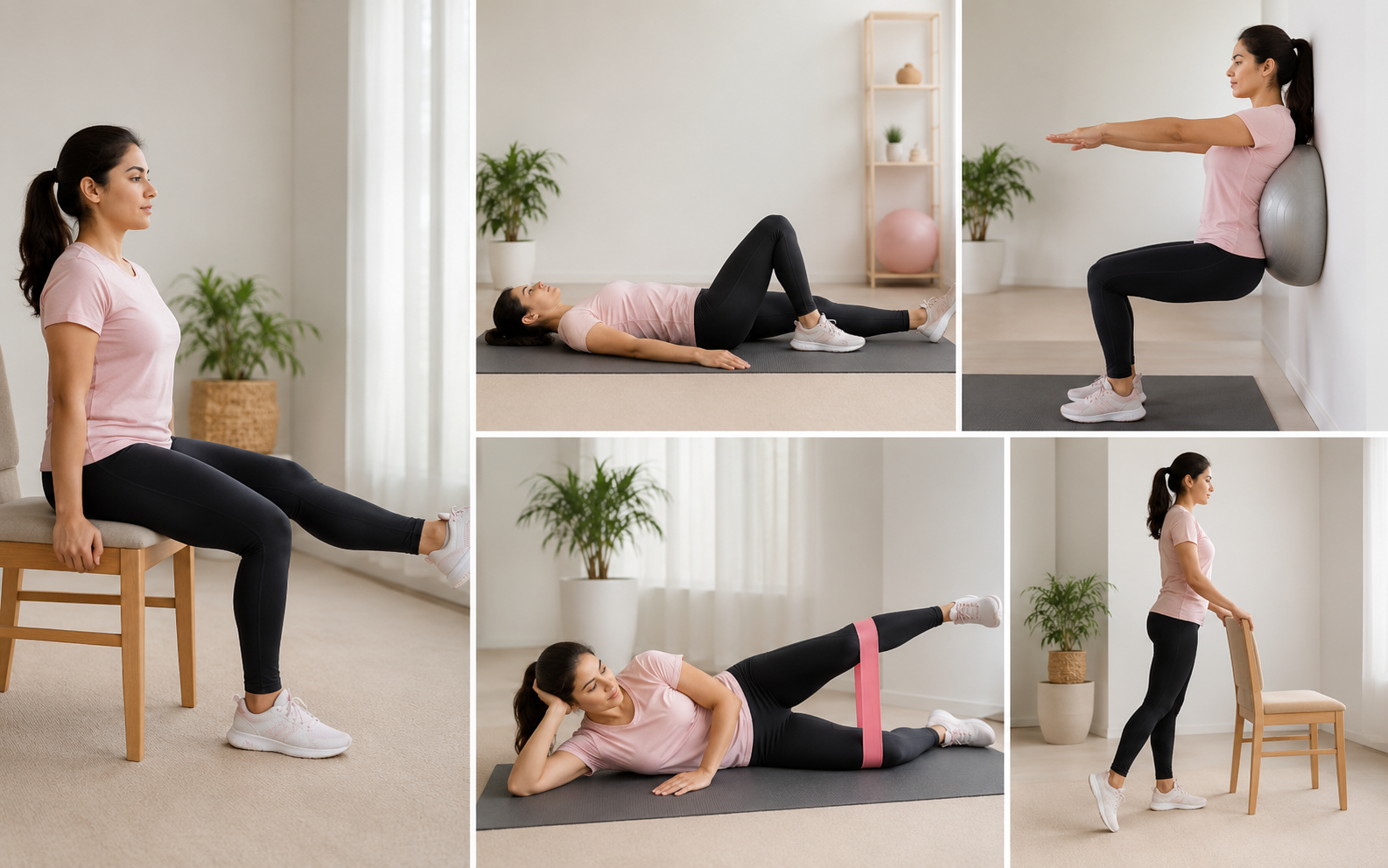
A gentle starting sequence usually includes the following.
- Straight leg raises to activate the quadriceps without bending the knee
- Glute bridges to strengthen the hips and reduce strain on the knee joint
- Wall sits held for short durations to build controlled quad strength
- Clamshells to activate the hip muscles that stabilize the knee during walking
These movements are low risk for most people and provide a foundation before adding more dynamic exercises like step ups or lunges later in the recovery process.
Progressing to Strength Training Safely
Once basic activation exercises feel comfortable and pain free, gradually adding resistance helps build lasting knee stability rather than just temporary relief.
A sensible progression usually follows this order.
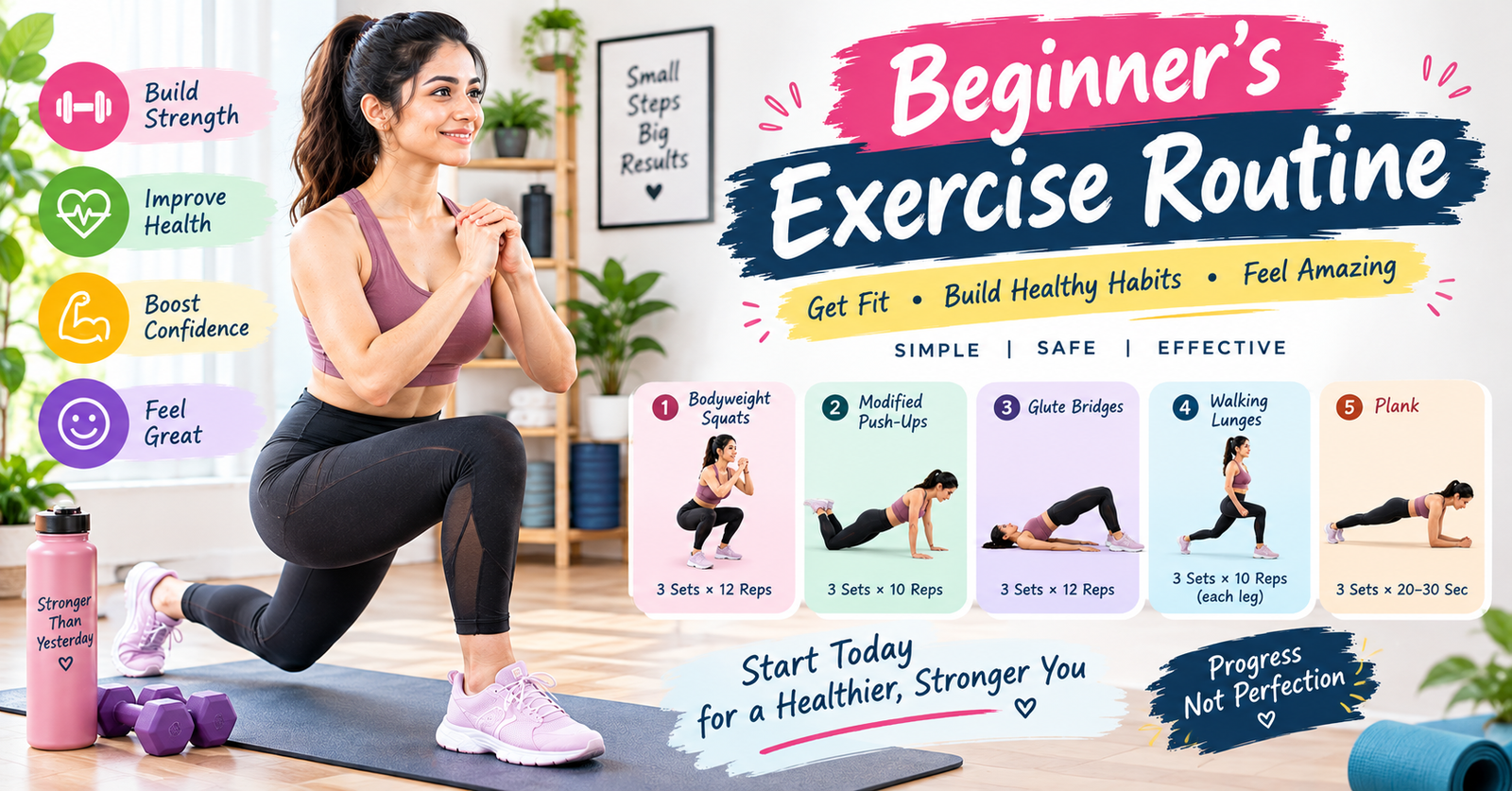
- Bodyweight squats performed within a comfortable, pain free range
- Step ups on a low platform to build single leg control
- Resistance band work for the hips and glutes
- Light dumbbell squats or lunges once form and confidence improve
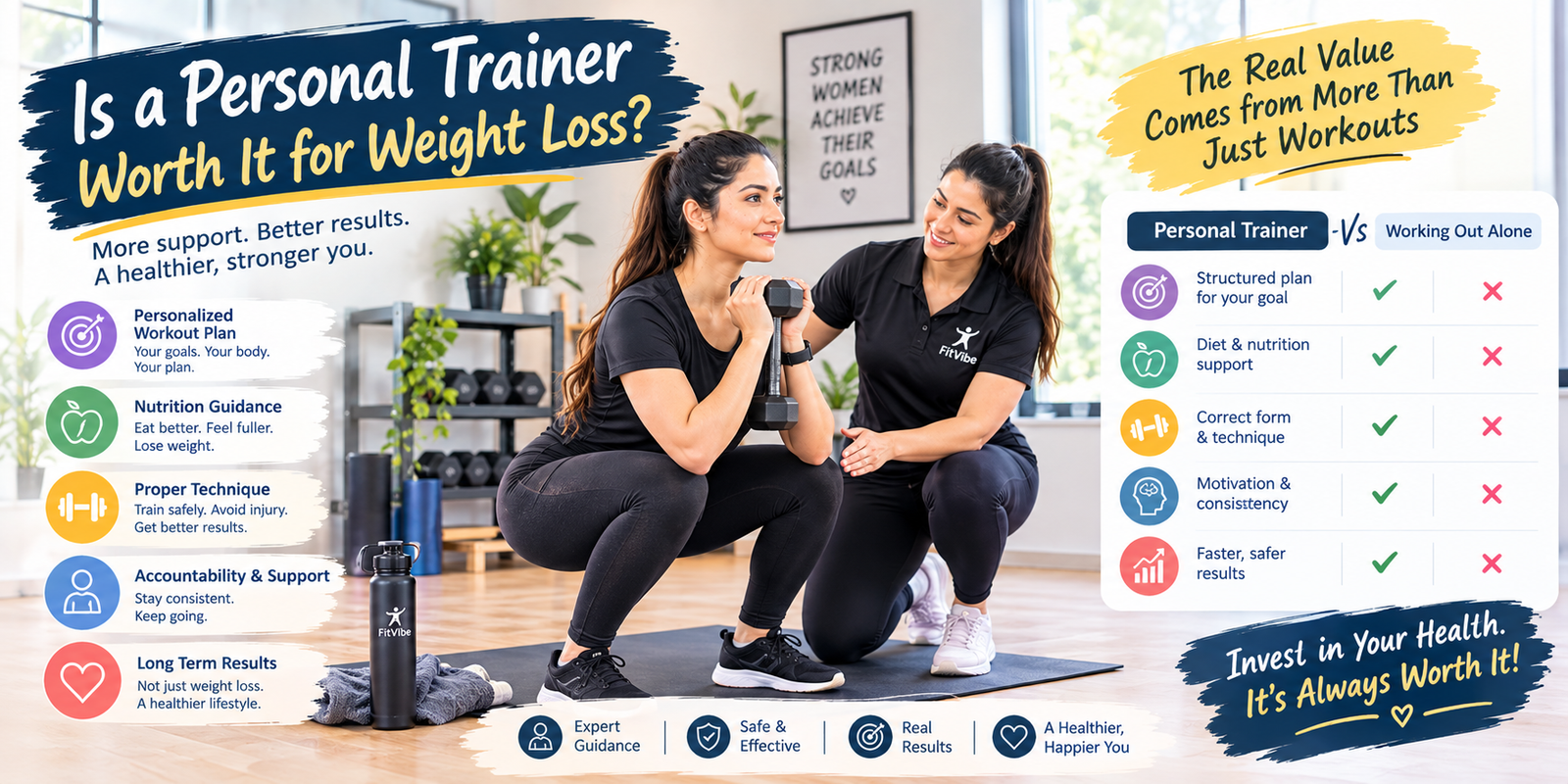
Building overall lower body strength is one of the most effective long term strategies for reducing recurring knee pain, which is why this approach fits naturally alongside a broader strength training for women program rather than being treated as a separate track.
Common Mistakes That Delay Recovery
Certain habits quietly slow down knee recovery even when someone is trying their best to heal properly.
- Returning to high impact activities like running before strength has rebuilt
- Skipping hip and glute work and focusing only on the knee itself
- Ignoring posture and sitting habits that add ongoing strain during the day
- Pushing through sharp pain instead of adjusting range of motion
- Wearing unsupportive footwear during workouts or long walks
Correcting these habits alongside a structured exercise plan often produces faster, more lasting relief than exercises alone.
The Role of Posture in Knee Health
Posture affects the knees more than most people expect, especially for women who spend long hours sitting at a desk or working from home.
Poor posture changes how weight distributes through the hips and knees during standing and walking, which can quietly add strain over months or years. Addressing posture alongside knee specific exercises often improves results faster than focusing on the knee in isolation. A closer look at common postural issues and corrective movements is covered in this guide on posture correction and rehabilitation exercises.
Training at Home While Managing Knee Pain
Many women prefer recovering from knee pain at home, where movements can be paced carefully without the pressure of a busy gym environment.
Home based recovery offers a few practical advantages worth considering.
- Full control over pace and range of motion without rushing between gym equipment
- Privacy while working through a recovery process that can feel slow at times
- Flexibility to fit short sessions into a busy schedule
- Closer one on one attention from a trainer familiar with joint specific modifications
This is one of the reasons home personal training for women works particularly well for joint recovery, since sessions can be adjusted in real time based on how the knee responds that day.
Nutrition and Its Role in Joint Recovery
Diet plays a supporting role in how the body manages inflammation and repairs tissue, even though it will never replace proper exercise and movement.
A few dietary habits can support the recovery process alongside a structured exercise plan.
- Adequate protein intake to support muscle repair around the joint
- Reducing highly processed foods that can contribute to systemic inflammation
- Staying consistently hydrated to support joint lubrication
- Maintaining a healthy body weight to reduce overall load on the knees
For a broader look at building sustainable eating habits that also support weight management, the best diet plan for weight loss in Lahore outlines a practical approach using everyday meals.
When to Seek Professional Guidance
Some situations call for professional evaluation before continuing with any home based exercise routine.
- Pain that persists or worsens after two to three weeks of consistent effort
- Visible swelling, redness, or warmth around the joint
- A feeling of the knee giving way or being unstable during movement
- Pain that began suddenly following a fall, twist, or direct impact
A doctor or physiotherapist can rule out structural issues such as ligament or meniscus damage that require a different treatment approach than general strengthening.
Building a Guided Recovery Plan
Working through knee pain alone often means guessing at what exercises are safe, which can slow down progress or, in some cases, make symptoms worse.
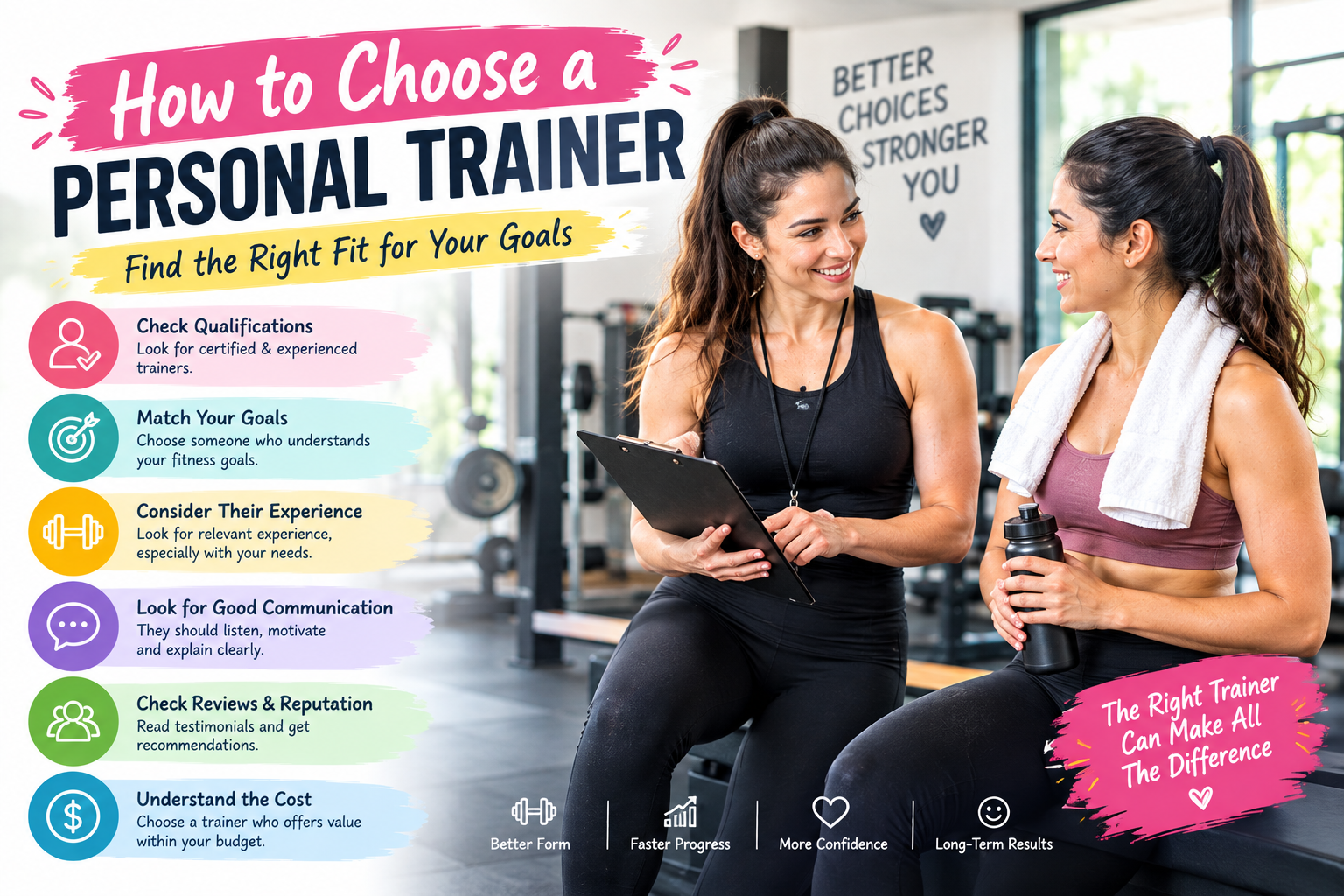
A trainer familiar with joint specific modifications can build a plan around your exact pain pattern, current strength level, and daily habits. You can book a free discovery call to discuss your knee pain history and start building a recovery plan suited to your body.
Frequently Asked Questions
What exercises help with knee pain in women
Straight leg raises, glute bridges, wall sits, and clamshells are effective starting points, since they strengthen the muscles supporting the knee without placing direct strain on the joint itself.
Should I avoid squats if I have knee pain
Not necessarily. Squats performed within a comfortable, pain free range and proper depth can actually help build the strength needed to reduce knee pain, though very deep or fast squats may need to be avoided initially.
Is walking good for knee pain recovery
Yes, in most cases. Walking is a low impact activity that keeps the joint moving without excessive strain, though it should be paced according to your current pain level and gradually increased over time.
How long does it usually take for knee pain to improve
Many women notice improvement within four to six weeks of consistent, targeted strengthening, though full recovery timelines vary depending on the underlying cause and consistency of effort.
Can weak hips really cause knee pain
Yes. Weak hip and glute muscles often fail to control the alignment of the knee during walking, running, or squatting, which places uneven stress on the joint and can lead to ongoing discomfort.
Final Thoughts
Knee pain recovery for women usually comes down to a combination of smart strengthening, better posture habits, and patience with a gradual process rather than a quick fix. Most non structural knee pain responds well to consistent, guided effort focused on the hips, glutes, and quadriceps working together to support the joint. Starting with a clear, personalized plan makes that recovery process far more manageable than trying to guess which exercises are actually safe.
Ready to put this into action?
Train 1-on-1 or in a group with Amna — your first discovery call is completely free. Female-only, fully online, results you can see.
Book My Free Call on WhatsApp →