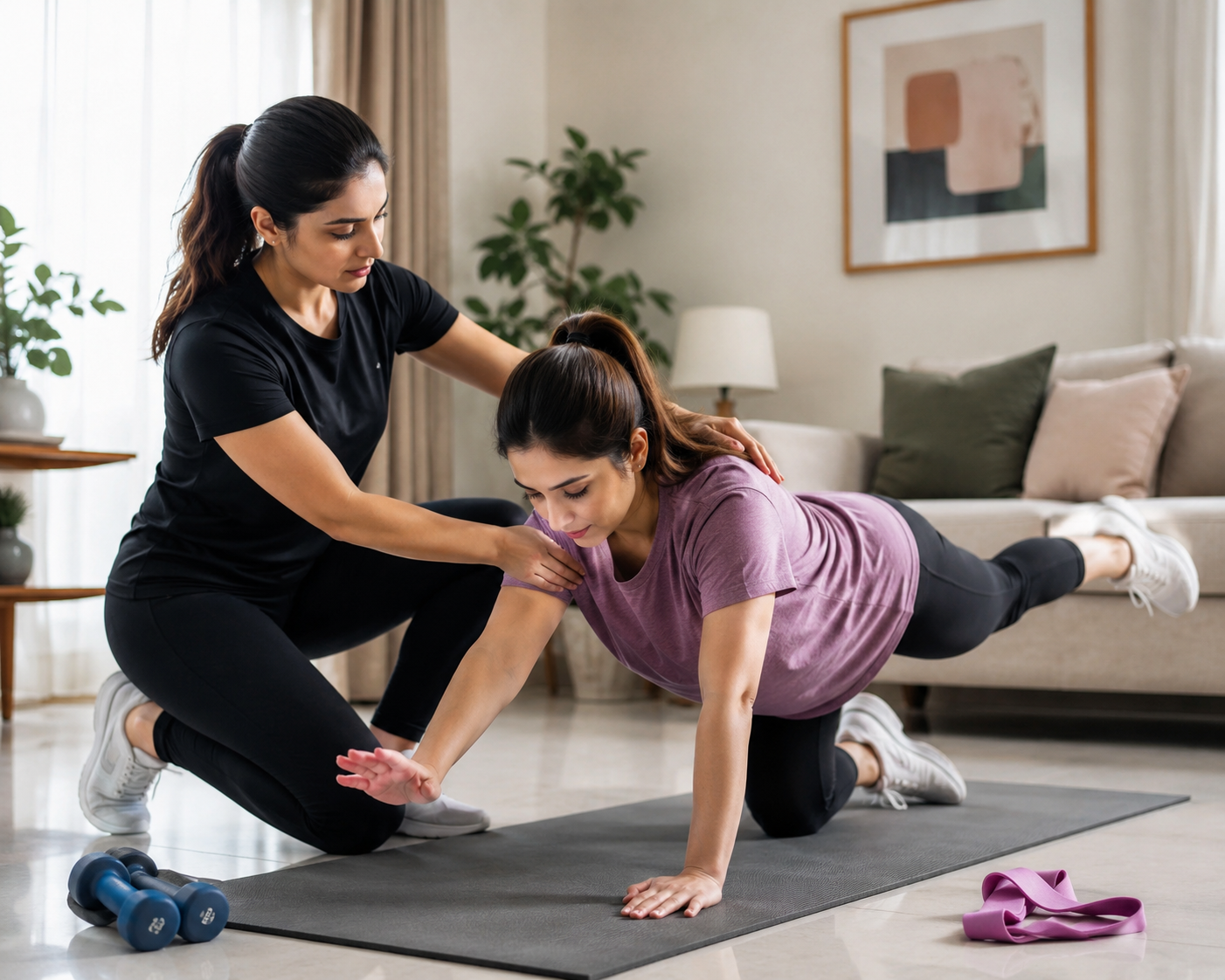
If you want the short answer first, here it is. Home personal training for women in Lahore means a certified female trainer comes to your house with a structured plan and, where needed, portable equipment, so you can train in complete privacy without commuting to a gym. Fit Vibe Trainer runs this exact model for clients across Lahore, building sessions around each woman's space, schedule, and health background instead of a one size fits all routine.
For many women, the idea of training at home is not about convenience alone. It is about comfort, privacy, and removing every excuse that normally gets in the way of consistency. This guide walks through exactly how home training works, what a session actually looks like, and how to know if it is the right fit for your lifestyle.
Why Home Training Appeals to Women in Lahore
Traffic, limited gym hours, and mixed gender gym floors are three of the biggest reasons women in Lahore search for a home based alternative. Training at home removes all three obstacles in one move.
- No commute time lost sitting in Lahore traffic before or after work
- Complete privacy without worrying about being watched or judged
- Flexible scheduling that works around household or childcare responsibilities
- A familiar, comfortable environment that reduces workout anxiety
This is also why so many women who previously avoided fitness altogether find it easier to start once the setting is their own living room or terrace rather than a public gym floor.
What a Home Training Session Actually Involves
A common misconception is that home training means a watered down workout compared to a gym session. In reality, a well planned home session can be just as effective as any gym routine.
A typical session includes a warm up, a main workout block built around your goal, and a cool down with mobility work. Depending on available space, this might involve:
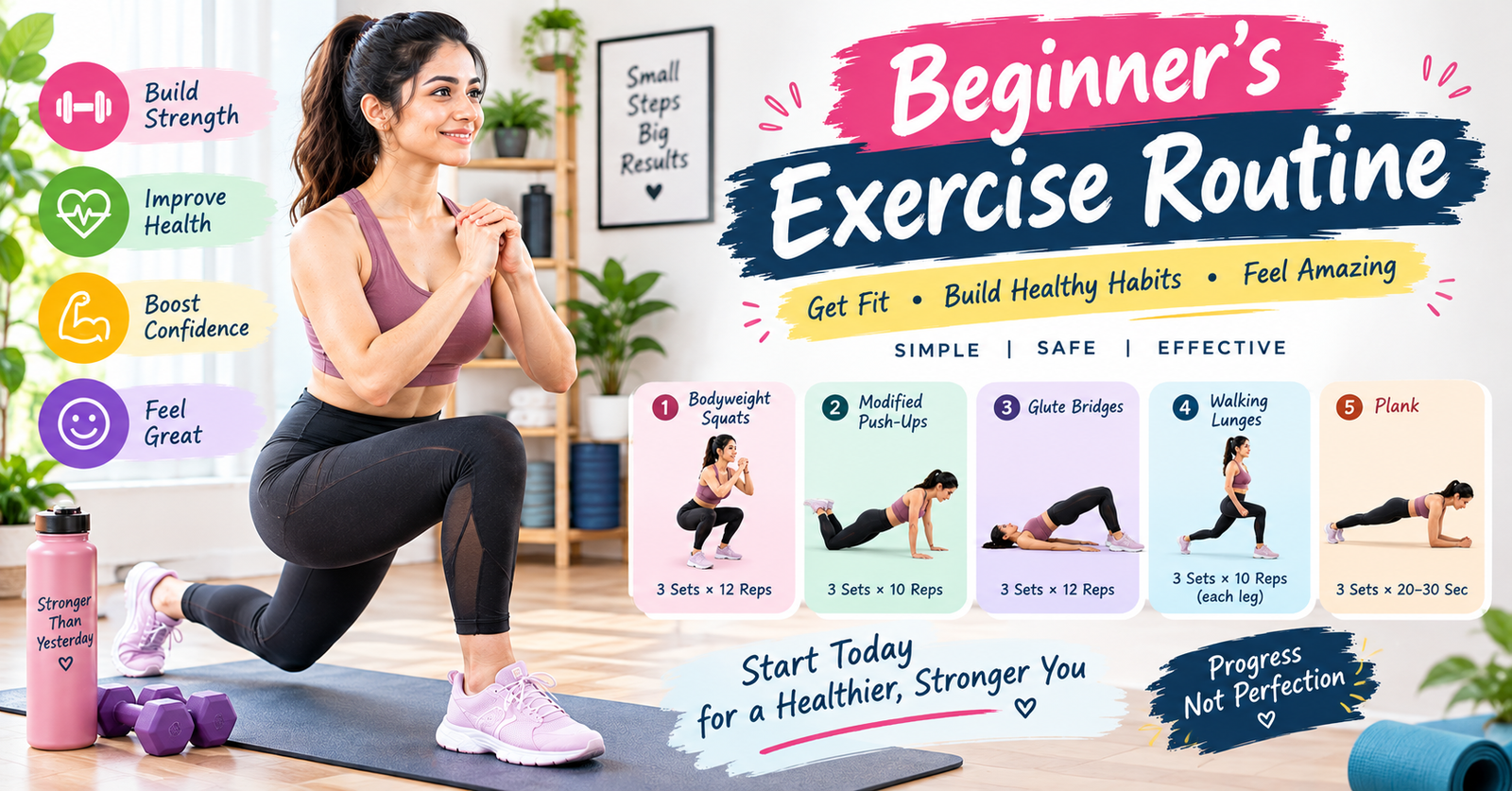
- Bodyweight strength circuits using floor space alone
- Resistance bands or light dumbbells for progressive overload
- Core and posture focused movements for desk related tightness
- Low impact cardio intervals that do not disturb neighbours or family
The trainer adjusts intensity and equipment based on what is realistically available in your home, which is why an initial walkthrough or discussion of your space usually happens before the first session.
Equipment You Actually Need at Home
One of the biggest hesitations women have before starting home training is assuming they need a home gym setup. That is rarely true.
Most home programs are designed around minimal or no equipment, especially in the early weeks.
- A yoga mat for floor based core and mobility work
- A set of light to medium resistance bands
- A pair of adjustable dumbbells if strength progression is a goal
- Comfortable, supportive footwear for any standing or cardio movement
A knowledgeable trainer will tell you honestly what is worth buying and what is unnecessary, rather than upselling equipment you will never use consistently.
How Home Training Compares to Gym or Online Sessions
Deciding between home training, gym sessions, or fully online coaching often comes down to personal comfort rather than which format is universally better.
Home training offers the privacy of online coaching combined with the real time form correction of an in person gym session, since the trainer is physically present to adjust your posture and technique. Gym training, by comparison, gives access to a wider range of equipment but sacrifices privacy for many women. Fully online personal training works well for travel heavy schedules but removes the hands on correction that beginners often need most in the first few weeks.
For women just starting their fitness journey or recovering from an injury, the in person feedback of home training often makes the biggest difference in building correct movement patterns early on.
Who Home Training Works Best For
Home training is not the right fit for every single woman, and being upfront about that builds more trust than pretending it suits everyone equally.
It tends to work particularly well for the following situations.
- New mothers easing back into movement after childbirth recovery
- Women managing PCOS who need consistent, low stress training
- Busy professionals who cannot commit to fixed gym hours
- Beginners who feel intimidated by a public gym environment
- Women recovering from injury who need close supervision
If your main goal is heavy strength training with access to a full range of gym machines, a hybrid approach combining home sessions with occasional gym visits may serve you better.
Nutrition Support Alongside Home Sessions
Exercise alone rarely produces lasting results without matching nutrition guidance, and this holds true whether you train at home, in a gym, or online.
A trainer who takes home sessions seriously will also build a realistic eating plan around your household's normal meals rather than asking you to follow a completely foreign diet. For a deeper look at how this works practically in a Lahore household setting, the best diet plan for weight loss in Lahore breaks down calorie awareness and simple food swaps using everyday desi meals.
Addressing Posture and Desk Related Pain at Home
Many women booking home sessions are not chasing aesthetics at all. They are dealing with back, neck, or shoulder pain from long hours at a desk or on a phone.
- Targeted mobility drills for tight hips and shoulders
- Core activation work to support the lower back
- Simple daily habit corrections for sitting and standing posture
These corrective movements are easy to fold into a home session because they need very little space or equipment. A closer breakdown of common causes and fixes is available in this guide on posture correction and rehabilitation exercises.
Common Mistakes Women Make With Home Training
Home training fails more often from planning mistakes than from the format itself being ineffective.
- Expecting results without any nutrition adjustment
- Skipping warm ups because the environment feels casual
- Choosing a trainer with no verifiable certification
- Training inconsistently because there is no fixed gym commute forcing routine
- Ignoring progressive overload and repeating the exact same session for months
A structured plan with clear weekly progression solves most of these problems before they start.
Building Strength Safely Without a Gym
A frequent concern among women new to home training is whether real strength gains are even possible without gym machines.
The truth is that resistance bands, bodyweight progressions, and dumbbells can build meaningful strength when programmed correctly, since muscles respond to progressive tension regardless of the equipment source. For a full explanation of why strength training matters for women specifically, along with beginner friendly routines, this guide on strength training for women is a useful next read.
What the First Home Session Looks Like
Knowing what to expect on day one removes a lot of the nervousness around starting something new.
- A short conversation about goals, health history, and available space
- A basic movement assessment to check posture and mobility
- A light introductory workout to gauge current fitness level
- A simple take home plan for the days between sessions
From there, the plan evolves weekly based on how your body responds and how consistent you are able to stay.
How to Book a Home Training Consultation
Starting is usually simpler than most women expect, and a short conversation upfront saves both time and money later.
A free discovery call is the easiest way to confirm whether home training fits your space, schedule, and goals before committing to a package. You can book a free discovery call to discuss your specific situation and get a realistic sense of what a home program would look like for you.
Frequently Asked Questions
Is home personal training as effective as gym training
Yes, when the program is built around progressive overload and consistent effort. Home training can deliver the same strength and fat loss results as a gym program, especially for beginners who benefit most from close, in person form correction.
Do I need special equipment for home sessions
No. Most home programs start with a mat and resistance bands, with dumbbells added later if strength progression requires it. A good trainer will only recommend equipment that matches your actual goals.
How much space is needed for a home workout
A clear area roughly the size of a yoga mat with a little room to move your arms and legs is usually enough for most bodyweight and resistance band exercises.
Can home training help with PCOS or postpartum recovery
Yes. A trainer experienced in women's health can adjust intensity, rest periods, and movement selection around hormonal changes or postpartum healing, all within the comfort of a home setting.
How often should I train at home each week
Most beginners see solid progress with three to four sessions per week, combined with simple movement on rest days such as walking. The exact frequency depends on your current fitness level and specific goal.
Final Thoughts
Home personal training for women in Lahore offers a practical middle ground between the privacy of online coaching and the accountability of in person sessions. With the right trainer, minimal equipment, and a plan built around your actual living space, meaningful strength and fat loss results are entirely achievable without ever stepping into a gym. A short discovery call is the simplest way to find out if this approach fits your lifestyle before committing further.
Ready to put this into action?
Train 1-on-1 or in a group with Amna — your first discovery call is completely free. Female-only, fully online, results you can see.
Book My Free Call on WhatsApp →