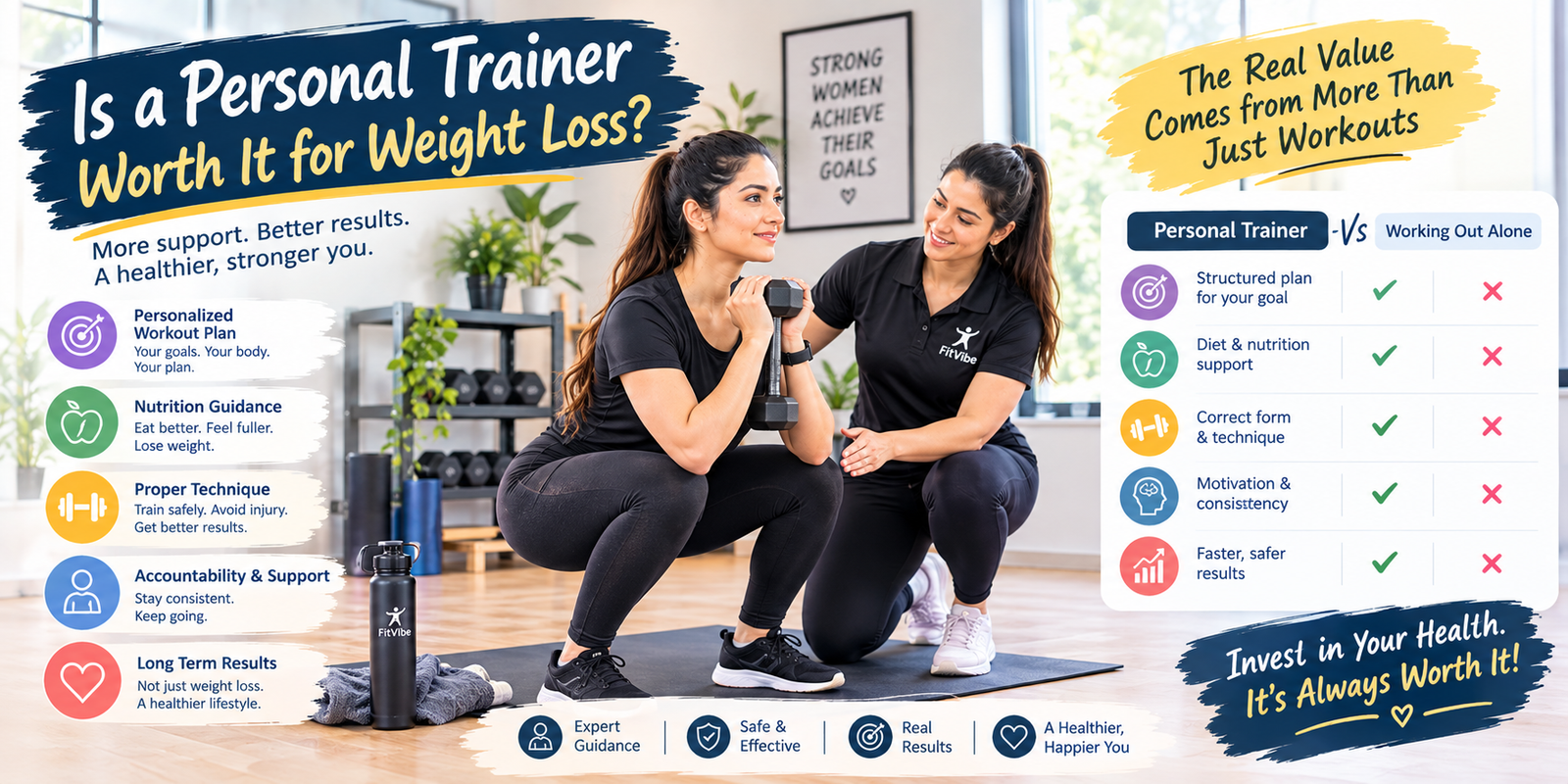
If you want the short answer first, here it is. Managing thyroid related weight gain starts with proper medical diagnosis and treatment from a doctor, followed by a fitness plan built around consistent strength training, moderate cardio, and a nutrient dense diet that supports energy levels, since exercise and food alone cannot fully correct an underlying thyroid imbalance. Fit Vibe Trainer works with women across Lahore and online worldwide managing thyroid conditions, building fitness plans that support medical treatment rather than attempting to replace it.
Thyroid conditions are common among Pakistani women, and hypothyroidism in particular can make weight loss feel like an uphill battle even with genuine effort. Many women blame themselves for slow progress without realizing their thyroid function may be playing a significant role. This guide explains how thyroid conditions affect weight, what a supportive fitness and nutrition approach actually looks like, whether a personal trainer is actually worth it for this specific situation, and why medical treatment should always come first.
How the Thyroid Affects Weight and Energy
The thyroid gland regulates metabolism, and when it is underactive, a condition called hypothyroidism, weight gain and low energy often follow as a direct result.
A few specific effects explain why thyroid conditions make weight management more difficult.
- An underactive thyroid slows resting metabolism, meaning fewer calories are burned at rest
- Low thyroid hormone levels often cause persistent fatigue, making regular exercise harder to sustain
- Fluid retention is common with hypothyroidism, which can add to visible weight gain
- Cravings and appetite changes sometimes accompany thyroid imbalances, complicating diet consistency
Understanding these effects helps explain why a standard weight loss approach often needs adjusting for women managing a thyroid condition.
Why Medical Diagnosis and Treatment Must Come First
Before building any fitness or nutrition plan, getting a proper diagnosis and appropriate medical treatment from a doctor is the essential first step.
A doctor can run bloodwork to confirm thyroid hormone levels, identify the specific type of thyroid condition present, and prescribe appropriate treatment if needed. Exercise and diet can support overall wellbeing and help manage weight alongside treatment, but they cannot correct an underlying hormonal imbalance on their own. Attempting to manage significant thyroid related weight gain through fitness alone, without addressing the medical root cause, often leads to frustration and slow or stalled progress.
Is a Personal Trainer Actually Worth It for Thyroid Weight Gain
This is one of the most common questions women ask once they understand thyroid weight gain is not simply about willpower. A personal trainer cannot diagnose or treat a thyroid condition, that stays firmly with your doctor or endocrinologist, but a trainer familiar with thyroid related fatigue plays a real role once treatment is underway.
- Adjusting workout intensity around genuine fatigue instead of a generic program that assumes full energy
- Prioritizing strength training specifically, since it supports the metabolism a slow thyroid works against
- Tracking progress through energy levels and consistency, not just the scale, which moves slowly in this situation
- Providing accountability during a process that often takes longer than typical weight loss timelines
A generic online workout plan rarely accounts for any of this, which is exactly why women searching for coaching support specifically for thyroid related weight gain tend to see better, steadier results than following a standard fitness program built for someone without a thyroid condition.
Building a Fitness Plan That Works With Thyroid Fatigue
Persistent fatigue is one of the most common symptoms women with thyroid conditions describe, and a fitness plan needs to account for this rather than ignoring it.
A workable approach usually looks like this.
- Starting with shorter, lower intensity sessions rather than immediately pushing for high intensity workouts
- Prioritizing consistency over intensity, since regular movement matters more than occasional intense effort
- Including adequate rest days to avoid compounding fatigue on top of thyroid related tiredness
- Gradually increasing duration and intensity as energy levels respond to treatment over time
This gradual approach respects the body's current capacity rather than assuming the same intensity that works for someone without a thyroid condition. If you are building this kind of routine from home, this beginner workout plan for women at home shows how a gentle starting point can still be structured and effective.
Why Strength Training Plays an Important Role
Strength training offers particular value for women managing thyroid related weight gain, since it directly supports the metabolism that an underactive thyroid tends to slow down.
Building muscle through resistance training helps raise resting metabolic rate, which can partially offset the metabolic slowdown associated with hypothyroidism. This makes strength training arguably more valuable than cardio alone for this specific situation, even though a combination of both still supports overall health. A closer look at building a safe, beginner friendly strength routine is covered in this guide on strength training for women.
Nutrition Considerations for Thyroid Health
Diet plays a supporting role in managing thyroid related weight gain, though it should always work alongside medical treatment rather than as a replacement for it.
A few general nutrition principles tend to support women managing thyroid conditions.
- Adequate protein intake to support muscle maintenance and manage hunger
- Consistent meal timing to support stable energy levels throughout the day
- Sufficient fiber and vegetables to support digestion, which can be affected by thyroid imbalances
- Discussing any specific dietary needs, such as iodine intake, directly with your doctor
For a broader look at building sustainable meals using familiar Pakistani food, the best diet plan for weight loss in Lahore outlines practical portioning and food choices that can be adapted alongside medical guidance, and this calorie deficit diet guide for Pakistani women covers the numbers side in more detail.
Should You See a Nutritionist, a Trainer, or Both
Many women searching for thyroid weight support are not sure who to actually reach out to first. Here is how the roles differ in practice.
- An endocrinologist or doctor handles diagnosis, bloodwork, and medication, this step is never optional
- A dietitian or nutrition coach helps structure meals and eating patterns around your treatment
- A personal trainer builds the movement and strength side of the plan around your actual energy levels
Amna Saleem holds a Diploma in Nutrition and Diet Planning alongside her personal training certifications, so nutrition guidance and training are handled together rather than requiring two separate appointments, though medical diagnosis and treatment always stay with your doctor.
Common Mistakes Women With Thyroid Conditions Make
Frustration with slow progress sometimes leads women toward approaches that make thyroid related symptoms worse rather than better.
- Following extremely low calorie diets, which can further stress metabolism and energy levels
- Pushing through intense workouts despite significant fatigue, leading to burnout
- Skipping or delaying medical treatment while relying on diet and exercise alone
- Comparing progress to women without thyroid conditions, which sets unrealistic expectations
- Ignoring medication timing guidance from a doctor, which can affect how well treatment works
Avoiding these patterns and working alongside proper medical care generally leads to steadier, more sustainable progress.
Setting Realistic Expectations for Progress
Weight management with a thyroid condition often takes longer than standard timelines suggest, and understanding this in advance helps prevent unnecessary discouragement. This honest look at realistic monthly weight loss targets is worth reading for context, since thyroid related progress typically runs slower than these general numbers until treatment stabilizes hormone levels.
A few realistic markers to track progress by include the following.
- Improved energy levels as thyroid treatment takes effect, often before major weight changes
- Reduced fluid retention and puffiness as thyroid hormone levels stabilize
- Gradual, steady changes over several months rather than a fast initial drop
- Better workout performance and recovery as consistent training continues over time
Managing Stress Alongside Thyroid Health
Stress can influence hormone balance more broadly, and managing it thoughtfully often supports overall thyroid health alongside medical treatment.
- Prioritizing consistent, adequate sleep most nights of the week
- Managing daily stress through walking, prayer, or other calming routines
- Avoiding excessive caffeine, which can worsen fatigue related anxiety
- Building a predictable daily routine that supports overall hormonal balance
These habits work best as a complement to medical treatment, not as a substitute for it, particularly when thyroid hormone levels are still being stabilized. If low impact movement is more realistic on harder days, this look at whether walking alone is enough for weight loss explains where it fits into a bigger plan.
Where to Find Online Thyroid Focused Coaching in Pakistan
Thyroid conditions vary significantly from woman to woman, which means a generic fitness plan found online rarely accounts for your specific symptoms, energy levels, or treatment stage. Fit Vibe Trainer offers this kind of coaching through home visits and studio sessions in Lahore, and through live online coaching for women anywhere in Pakistan or abroad who want thyroid aware fitness support without needing to be based in Lahore.
A trainer familiar with thyroid related fatigue and metabolism concerns can build a plan that works alongside your doctor's treatment, adjusting intensity and nutrition based on how your body responds over time. You can read more about how sessions are structured on the Fitness Services page, or see verified client experiences on Fit Vibe Female Personal Trainer Lahore's Google Business Profile.
Frequently Asked Questions
Can thyroid problems really cause weight gain
Yes. An underactive thyroid, known as hypothyroidism, slows resting metabolism and can cause fluid retention, both of which commonly contribute to weight gain even without significant changes in diet or activity.
Should I see a doctor before starting a fitness plan for thyroid weight gain
Yes. Proper diagnosis and treatment from a doctor should always come first, since exercise and diet can support overall wellbeing but cannot correct an underlying thyroid hormone imbalance on their own.
Is hiring a personal trainer worth it for thyroid related weight gain
Yes, once medical treatment is underway. A trainer familiar with thyroid fatigue adjusts workout intensity, prioritizes strength training for metabolic support, and provides accountability through a slower, more realistic timeline than generic fitness advice accounts for.
What type of exercise is best for thyroid related weight gain
Strength training is particularly valuable since it helps raise resting metabolic rate, and combining it with moderate cardio and consistent daily movement offers a balanced overall approach that respects energy limitations.
Why does weight loss feel slower with a thyroid condition
A slowed metabolism from an underactive thyroid means fewer calories are burned at rest, which often makes weight loss progress slower even with consistent effort, especially before treatment has fully stabilized hormone levels.
Can diet and exercise alone fix a thyroid condition
No. Diet and exercise support overall health and can help manage weight alongside treatment, but they cannot replace appropriate medical diagnosis and treatment for an underlying thyroid imbalance.
Can I get thyroid aware coaching online if I am not based in Lahore
Yes, live online coaching is available to women anywhere in Pakistan or abroad, following the same thyroid aware approach to intensity, strength training, and nutrition as in person sessions in Lahore.
Final Thoughts
A fitness plan for thyroid related weight gain works best when it respects the reality of the condition, starting with proper medical treatment and building gradual, sustainable habits around strength training, moderate cardio, and supportive nutrition. Patience matters here more than with many other fitness goals, since progress often depends on how well thyroid levels are stabilizing alongside consistent effort. Working with guided support that understands these specific challenges, whether in person in Lahore or through online female personal training, makes the entire process considerably more manageable.
Train one on one or in a group with Amna, your first discovery call is completely free. Female only, fully online or in person, results you can see.
Ready to put this into action?
Train 1-on-1 or in a group with Amna — your first discovery call is completely free. Female-only, fully online, results you can see.
Book My Free Call on WhatsApp →