If you want the short answer first, here it is. Safe postnatal fitness starts with medical clearance from your doctor, then progresses gradually from breathing and pelvic floor work to gentle core activation, and only later into full strength training, usually over a window of several months rather than weeks. Fit Vibe Trainer builds postpartum programs around this exact progression for new mothers in Lahore who want to rebuild strength without rushing a body that is still healing.
The period after childbirth is not simply about losing baby weight. It is about rebuilding a core and pelvic floor that carried a pregnancy, healing from either a vaginal delivery or a cesarean, and returning to movement in a way that actually holds up long term. This guide walks through what a safe, structured postnatal fitness plan looks like from the first weeks through full return to training.
Why Postnatal Recovery Needs Its Own Approach
A common mistake new mothers make is treating postpartum recovery like a normal return from a fitness break. The body after pregnancy is fundamentally different from the body before it.
Several structural changes need attention before jumping into regular workouts.
- The abdominal muscles may have separated, a condition called diastasis recti
- The pelvic floor has carried significant weight and pressure for months
- Hormones affecting joint stability remain elevated for a period after delivery
- Energy levels are often lower due to disrupted sleep and breastfeeding demands
Ignoring these changes and returning too quickly to intense training is one of the most common causes of ongoing back pain, pelvic floor issues, or slow healing in new mothers.
When It Is Safe to Start Moving Again
Timing matters more in postnatal fitness than in almost any other stage of a woman's fitness journey. Starting too early can undo healing that is still in progress.
Most doctors recommend the following general timeline, though every recovery is different.
- Gentle walking and breathing work can often begin within the first one to two weeks, once cleared by a doctor
- Light core reconnection work usually starts around week three or four for vaginal deliveries
- Cesarean recovery typically requires a longer wait, often six to eight weeks before any core work
- Full strength training is generally introduced only after a postnatal medical checkup confirms readiness
A medical clearance appointment, usually around the six week mark, is the single most important checkpoint before beginning any structured program.
Rebuilding the Core the Right Way
Jumping straight into crunches or planks after childbirth is one of the most common mistakes new mothers make, often before the deep core muscles are ready to handle that load.
Core recovery needs to start from the inside out rather than the outside in.
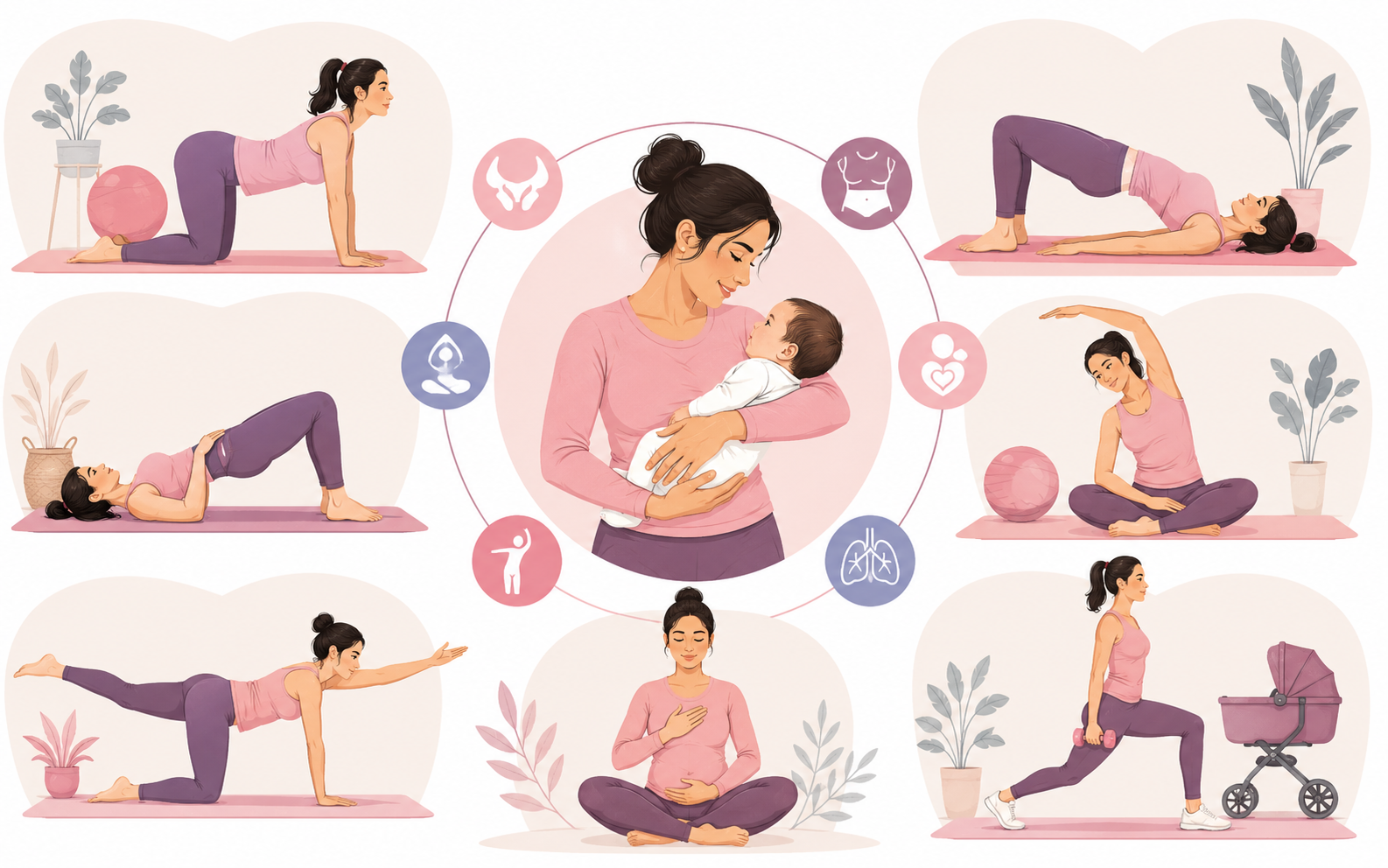
- Diaphragmatic breathing to reconnect breath with core activation
- Gentle pelvic tilts to reintroduce controlled movement
- Pelvic floor activation exercises done slowly and without straining
- Bird dog and dead bug variations once basic activation feels stable
This slower approach may feel underwhelming compared to a typical workout, but it builds the foundation that makes every future exercise safer and more effective.
Common Mistakes That Slow Down Recovery
Recovery setbacks are rarely dramatic. They usually come from small decisions made too early in the process.
- Returning to high intensity workouts before medical clearance
- Doing traditional crunches or sit ups before the core has reconnected
- Ignoring pelvic floor symptoms such as leaking or heaviness during exercise
- Comparing recovery timelines to other women instead of listening to your own body
- Skipping rest days out of pressure to lose weight quickly
Avoiding these mistakes early on often means a faster, more comfortable return to full training later.
Building Strength Gradually After Clearance
Once medical clearance is given, strength training becomes one of the most valuable tools for rebuilding postpartum, both physically and mentally.
A gradual progression works far better than jumping straight back to pre pregnancy intensity.
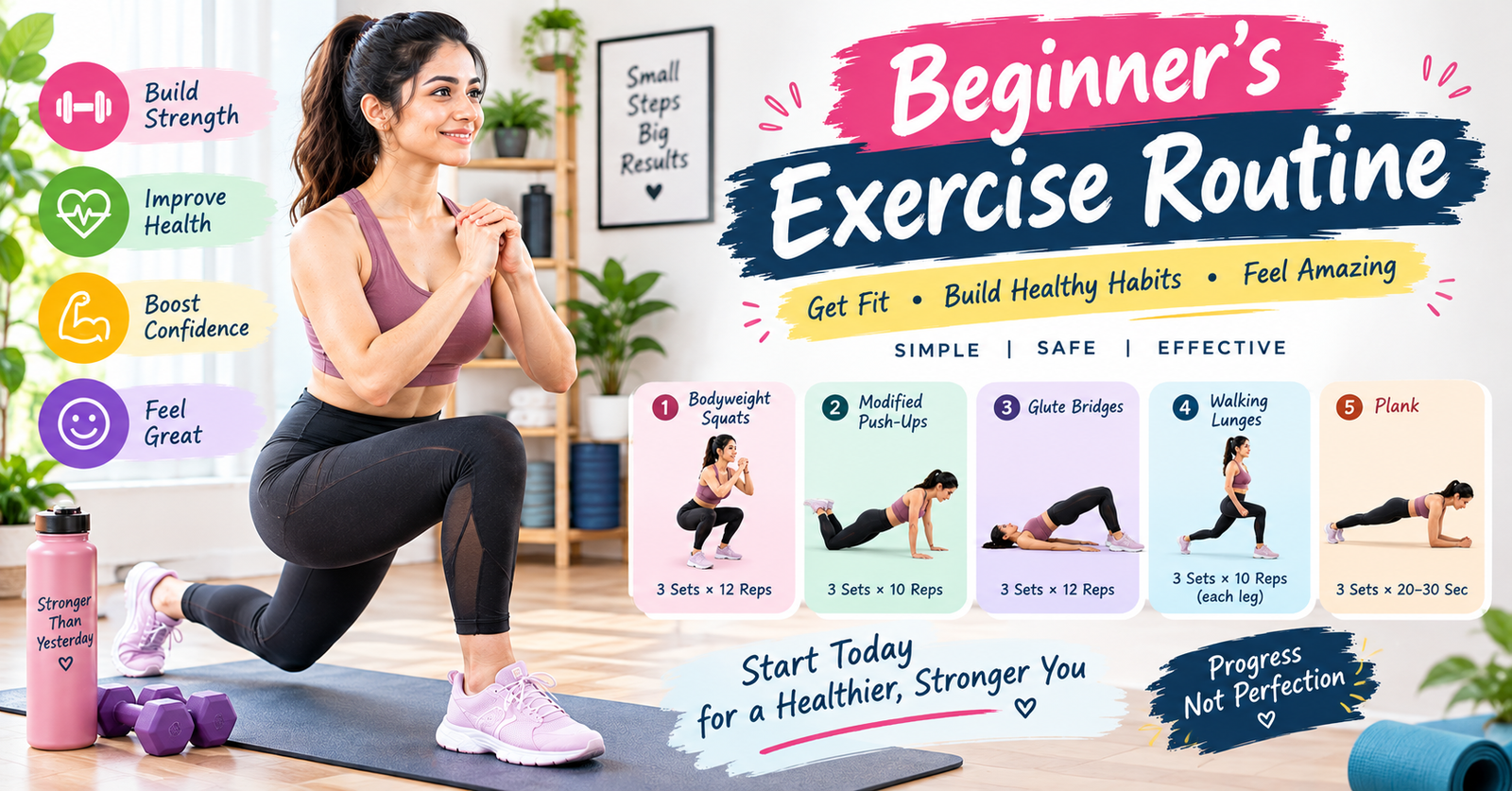
- Begin with bodyweight movements to rebuild basic strength and confidence
- Add light resistance bands once form feels stable and controlled
- Introduce dumbbells gradually as strength and energy improve
- Increase intensity only when sleep, energy, and recovery allow it
For a fuller explanation of why building strength matters specifically for women, along with beginner appropriate progressions, this guide on strength training for women is a useful next step once you are cleared to train.
Why Home Based Training Often Works Best at This Stage
Many new mothers find gyms difficult to manage during this period, whether due to childcare, energy levels, or simply not wanting to be around strangers while still healing.
Training at home removes several barriers that make early postnatal fitness harder than it needs to be.
- No need to arrange childcare or travel with a newborn
- Flexibility to train during short windows between feeds or naps
- Complete privacy while the body is still visibly changing
- Closer supervision from a trainer familiar with postpartum specific concerns
This is exactly why home personal training for women has become a common choice for new mothers who want guided support without leaving the house.
Nutrition Support During Postnatal Recovery
Food plays a bigger role in postpartum recovery than most new mothers expect, especially for those who are breastfeeding and need adequate energy for both healing and milk production.
A realistic nutrition approach during this period focuses on nourishment rather than restriction.
- Adequate protein to support tissue repair and muscle rebuilding
- Iron rich foods to help restore levels after delivery
- Consistent meals rather than skipped ones, especially during breastfeeding
- Gradual calorie adjustments only once milk supply and energy are stable
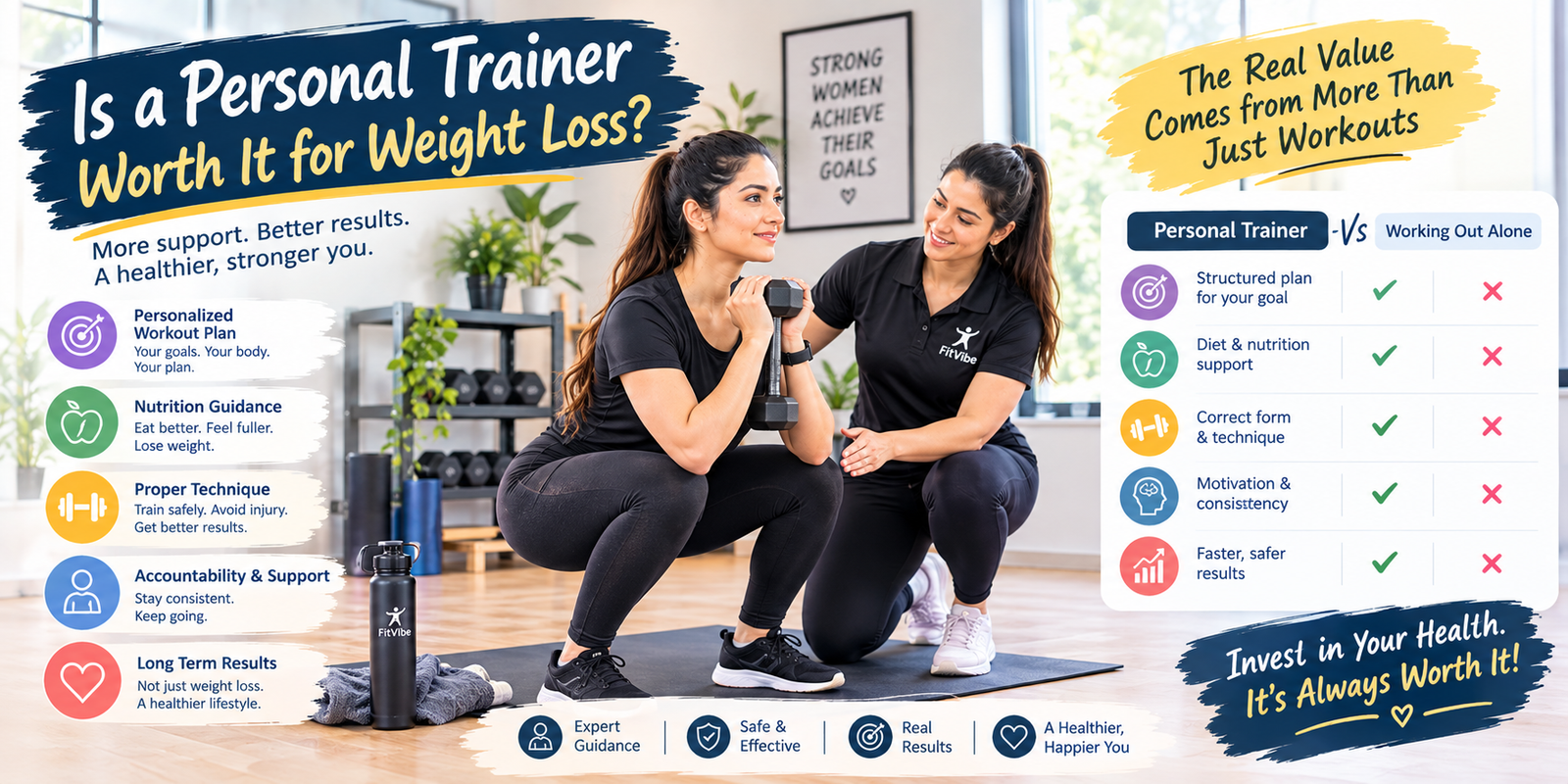
Extreme calorie cutting during this window can slow healing and affect energy levels, which is why a structured approach like the one outlined in the best diet plan for weight loss in Lahore focuses on sustainable portioning rather than rapid restriction.
Addressing Posture Changes After Pregnancy
Pregnancy shifts posture significantly, and many new mothers carry forward rounded shoulders, an arched lower back, or neck strain from feeding positions long after delivery.
Correcting these patterns early prevents them from becoming long term discomfort.
- Gentle upper back and shoulder mobility work
- Hip flexor stretches to counter prolonged sitting during feeds
- Core stability work that supports better standing and sitting posture
A closer breakdown of common postural issues and corrective movements is covered in this guide on posture correction and rehabilitation exercises.
Signs You Should Slow Down or Pause Training
Listening to physical signals matters more during postnatal recovery than during almost any other stage of a fitness journey.
- Any leaking, heaviness, or pressure in the pelvic area during exercise
- Visible doming or bulging along the midline of the abdomen
- Sharp or worsening pain rather than normal muscle fatigue
- Excessive exhaustion that does not improve with rest
Any of these signs are a reason to pause and check in with a doctor or pelvic floor specialist rather than pushing through.
How to Start a Guided Postnatal Program
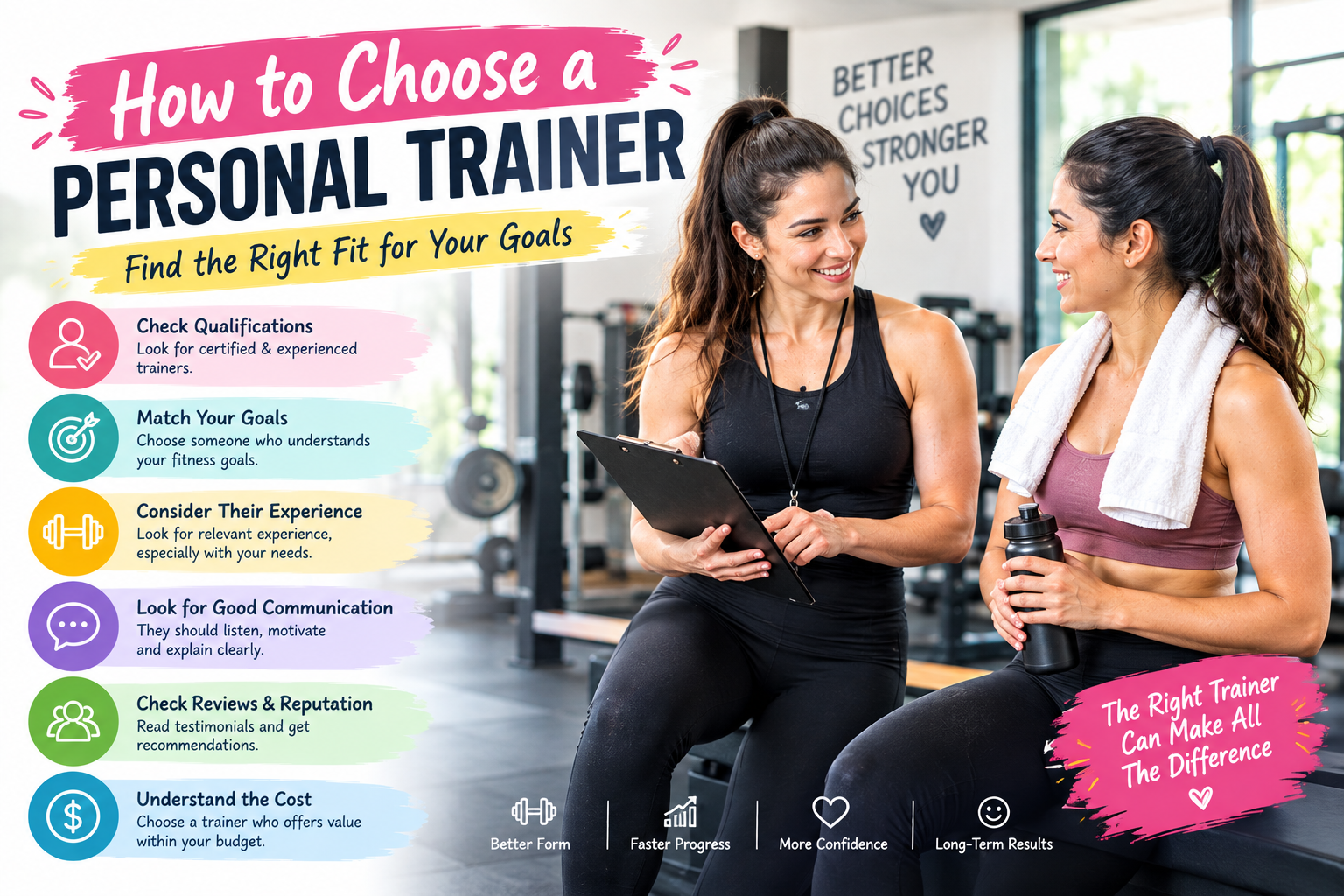
Starting with professional guidance removes much of the uncertainty around what is safe and when to progress.
A free discovery call is a simple way to discuss your delivery type, current recovery stage, and any specific concerns before building a plan around your exact situation. You can book a free discovery call to start building a postnatal plan that matches where your body actually is right now.
Frequently Asked Questions
When can I start exercising after giving birth
Gentle movement like walking and breathing work can often begin within the first couple of weeks once cleared by a doctor, while structured core and strength work usually starts after a medical checkup around six weeks postpartum, later for cesarean recovery.
Is it safe to do core exercises right after delivery
No. Traditional core exercises like crunches should wait until the deep core and pelvic floor have been reconnected through gentle activation work, which typically takes several weeks under proper guidance.
How do I know if I have diastasis recti
A gap or doming along the midline of the abdomen, especially during movements like sitting up, can indicate diastasis recti, and a doctor or postnatal specialist can confirm this with a simple physical check.
Can breastfeeding affect my energy for workouts
Yes. Breastfeeding increases calorie and hydration needs, so adequate nutrition and rest are essential before adding intense training, otherwise energy levels and milk supply can both be affected.
How long does full postnatal recovery usually take
Most women see significant strength and core recovery within three to six months of consistent, guided training, though full recovery varies based on delivery type, activity level, and individual healing.
Final Thoughts
Postnatal fitness is not about rushing back to a pre pregnancy body. It is about rebuilding strength, core function, and confidence in a way that respects what your body has just been through. With medical clearance, a gradual progression, and guidance suited to postpartum recovery, most women can return to full training safely within a few months. Reaching out for a structured plan early on makes that journey far smoother than trying to figure it out alone.
Ready to put this into action?
Train 1-on-1 or in a group with Amna — your first discovery call is completely free. Female-only, fully online, results you can see.
Book My Free Call on WhatsApp →