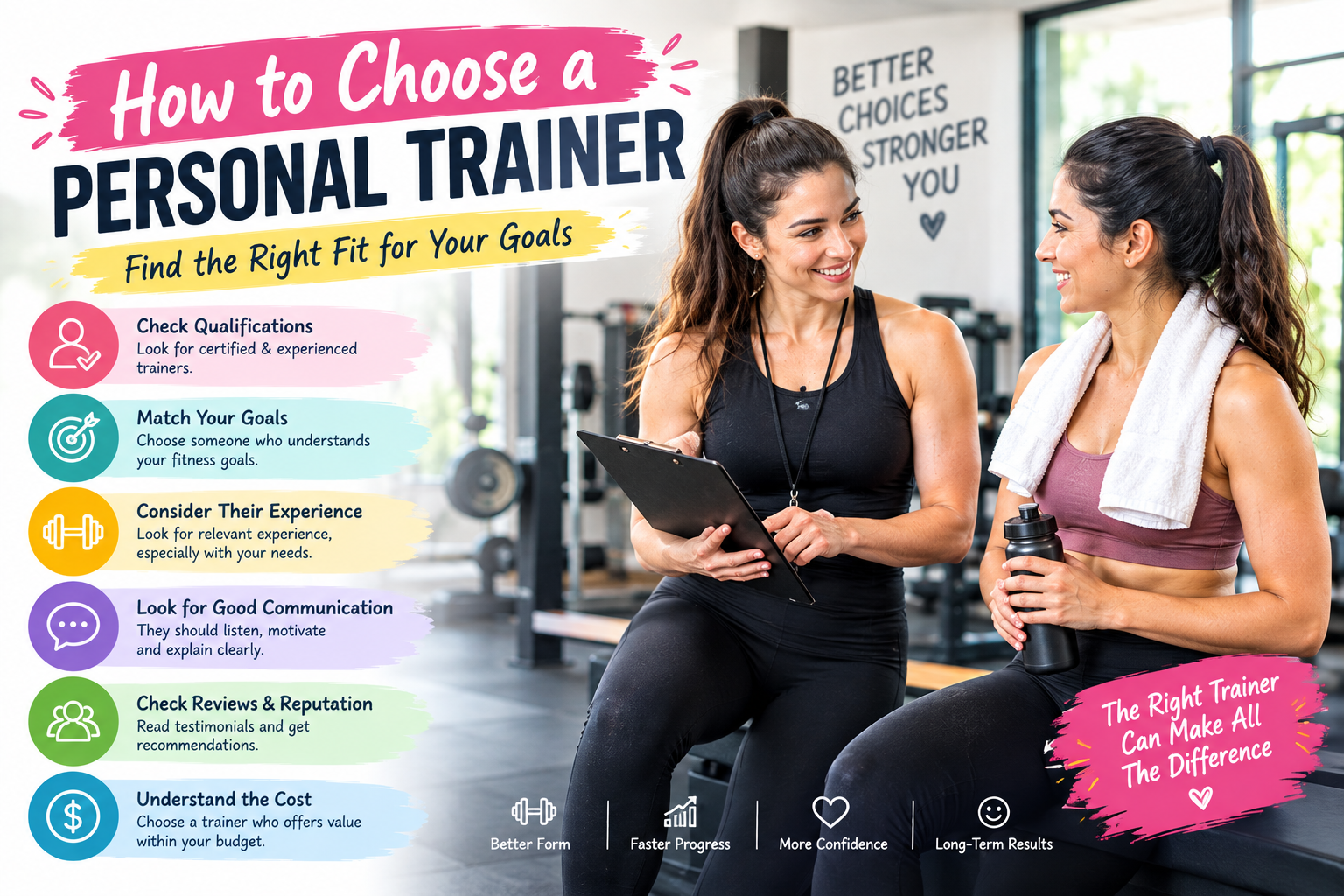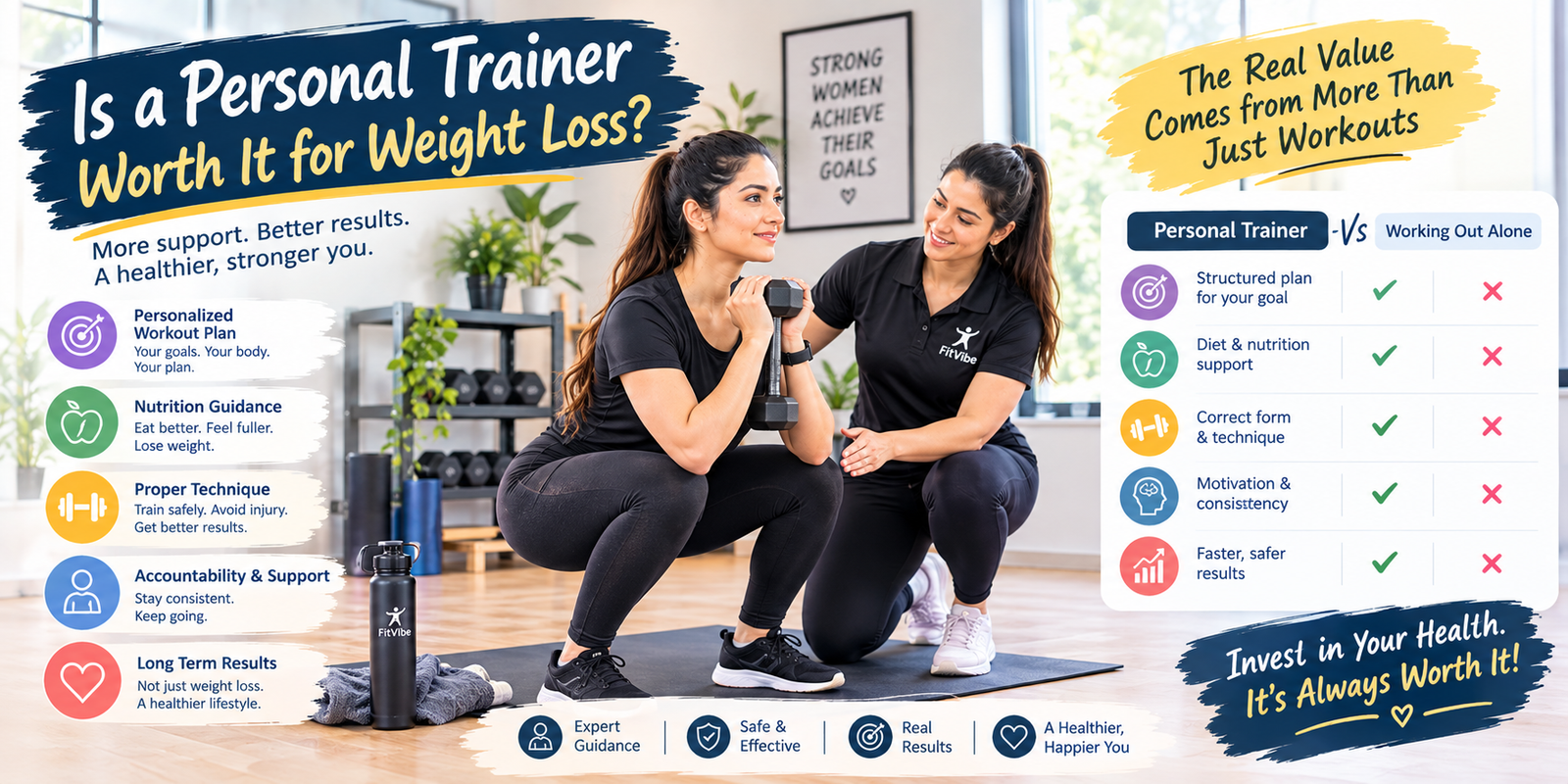
If you want the short answer first, here it is. Back pain relief for women at home usually comes from a combination of gentle mobility work to release tight muscles, targeted core and glute strengthening to support the spine, and simple posture corrections throughout the day, built gradually rather than rushed. Fit Vibe Trainer builds home based recovery programs for women in Lahore dealing with back pain, focusing on movements that relieve tension while addressing the underlying weakness that usually causes it.
Back pain is one of the most common complaints among women, whether it comes from long hours at a desk, poor posture, pregnancy related changes, or simply weak core and hip muscles. Most non structural back pain responds well to consistent, targeted movement rather than complete rest. This guide breaks down what actually helps, what tends to make things worse, and how to build a simple home routine that provides lasting relief.
Why Back Pain Is So Common in Women
Several everyday habits and physical factors combine to make back pain especially common among women, and understanding the cause helps guide the right kind of recovery.
A few contributing factors show up again and again.
- Long hours of sitting at a desk or on a phone weaken the muscles that support the spine
- Weak core and glute muscles fail to properly stabilize the lower back during daily movement
- Pregnancy and postpartum changes can shift posture and loosen supporting ligaments
- Carrying bags, children, or household items with poor lifting form adds repeated strain
None of these causes mean back pain has to be permanent. Most respond well to a structured combination of mobility and strengthening work done consistently over several weeks.
Understanding the Type of Back Pain You Are Dealing With
Not all back pain behaves the same way, and recognizing your own pattern helps determine what kind of home routine will actually help.
A few common patterns tend to appear repeatedly among women seeking relief.
- A dull, aching stiffness that builds up after long periods of sitting
- Sharp pain triggered by specific movements like bending or twisting
- Pain that radiates down into the hip or leg, which may indicate nerve involvement
- Morning stiffness that gradually eases once the body warms up and moves
Sudden, severe pain following an injury, numbness or tingling down the leg, or any loss of bladder or bowel control should always be evaluated by a doctor immediately rather than managed with home exercises.
Why Movement Helps More Than Complete Rest
A common misconception is that back pain requires extended bed rest to heal properly. In most non structural cases, the opposite tends to be true.
Prolonged inactivity often allows the supporting muscles around the spine to weaken further, which can make pain worse once movement resumes. Gentle, controlled movement instead keeps blood flow active around the area and prevents stiffness from settling in. The goal during a flare up is not to push through sharp pain, but to stay gently active within a comfortable range while gradually building supporting strength.
Gentle Stretches to Start With
Recovery routines usually begin with gentle stretching to release tight muscles before progressing into strengthening work.
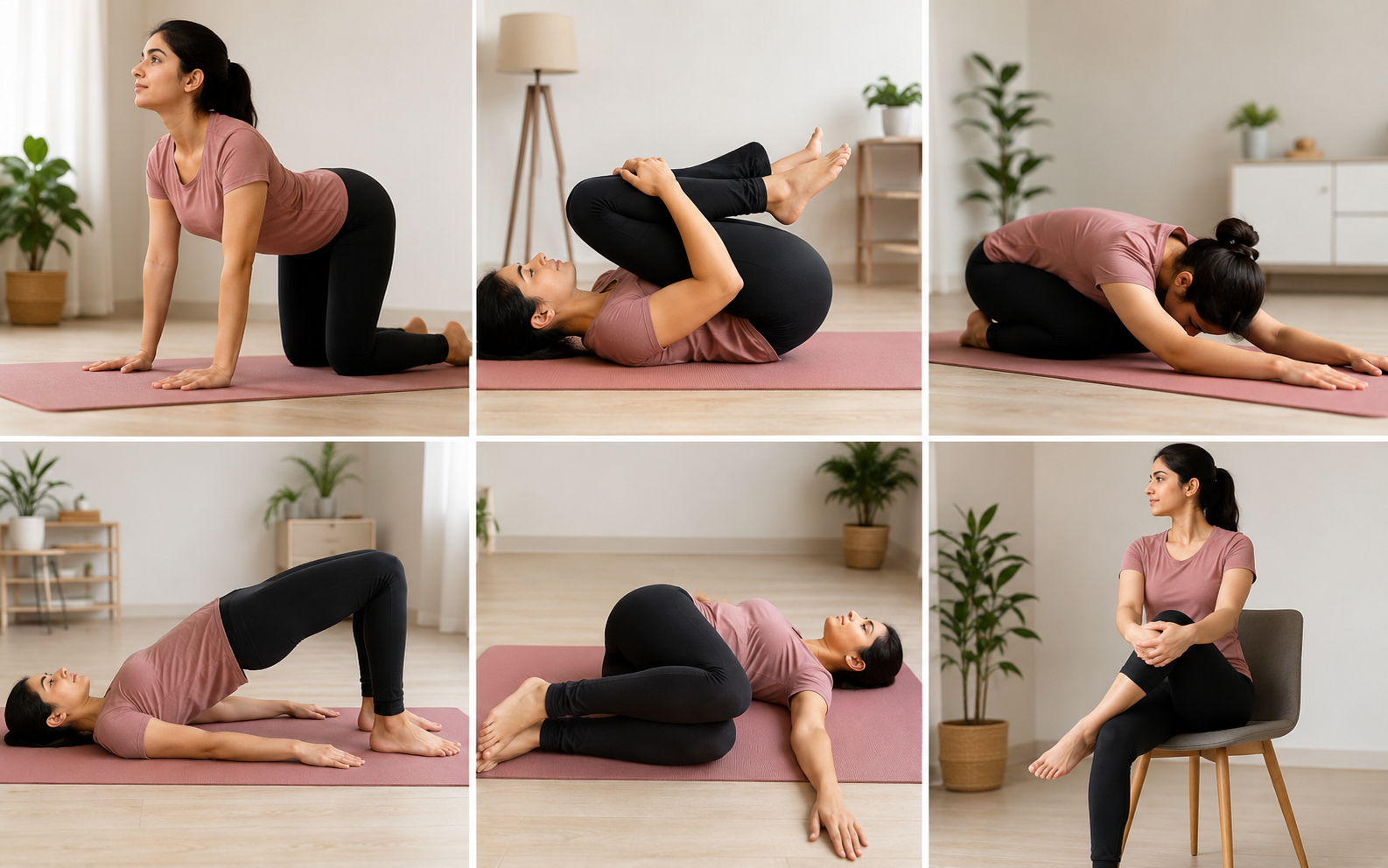
A simple starting sequence often includes the following movements.
- Cat cow stretch to gently mobilize the entire length of the spine
- Child's pose to release tension across the lower back and hips
- Knee to chest stretch to ease tightness in the lower spine
- Seated spinal twist to improve rotation and relieve stiffness
These stretches are low risk for most people and can be done daily, even during a flare up, as long as they stay within a comfortable range of motion.
Building Core and Glute Strength Safely
Once stiffness eases and gentle movement feels comfortable, adding targeted strengthening work helps prevent the pain from returning.
A sensible progression usually looks like this.
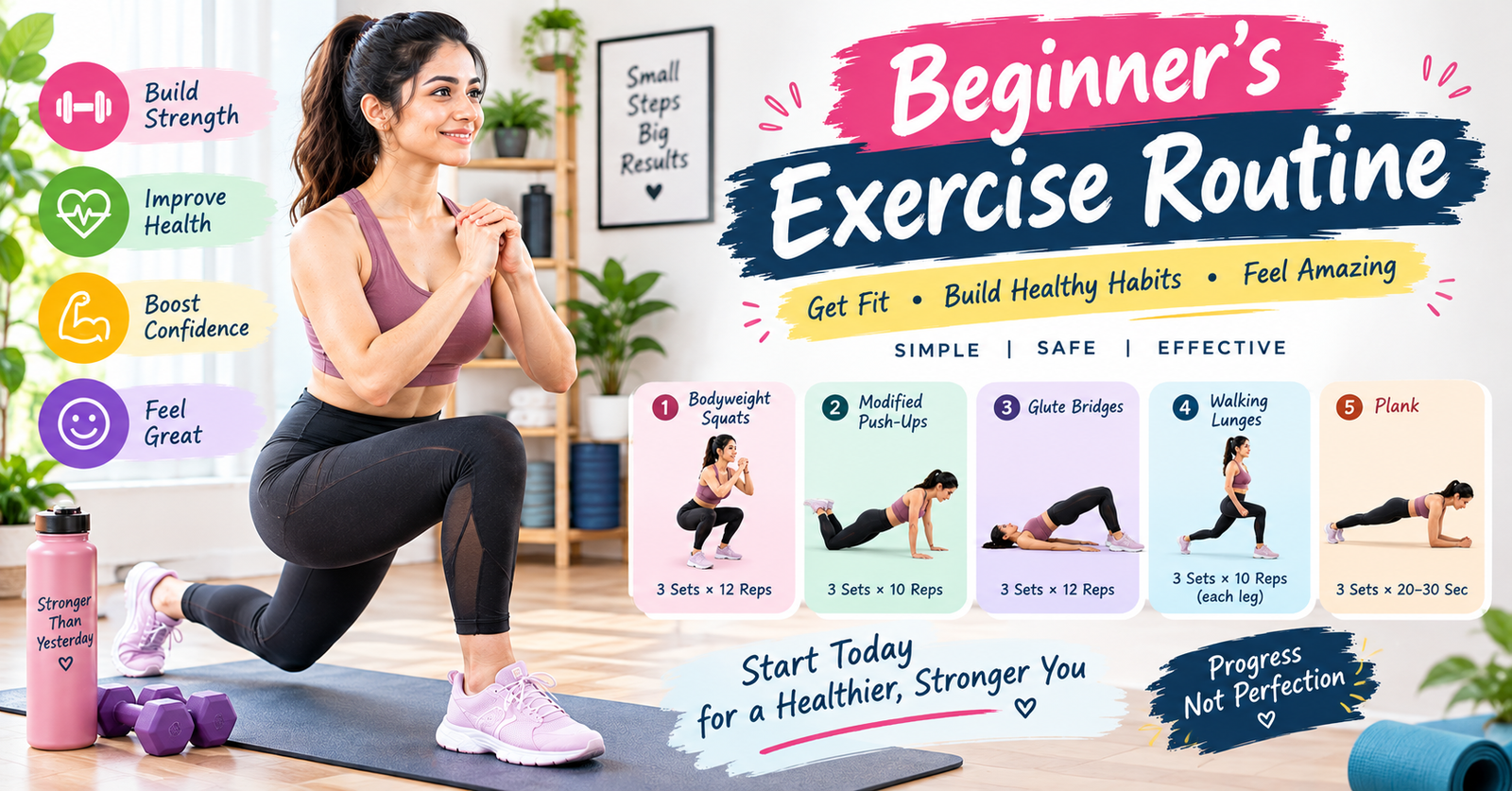
- Bird dog exercises to build coordinated core and back stability
- Glute bridges to strengthen the hips and reduce strain on the lower back
- Dead bug variations to train deep core control without spinal strain
- Bodyweight squats performed with proper form to build overall lower body support
Building strength through the core and hips is one of the most effective long term strategies for preventing recurring back pain, which fits naturally alongside a broader strength training for women program rather than being treated as an isolated fix.
Common Mistakes That Make Back Pain Worse
Certain habits quietly slow down recovery even when someone is genuinely trying to manage their pain properly.
- Staying in bed for extended periods instead of gentle, regular movement
- Doing intense ab exercises like crunches too early, which can strain the lower back
- Ignoring posture during long hours of sitting or phone use
- Lifting heavy objects with a rounded back instead of using the legs and hips
- Returning to high intensity workouts before basic strength and mobility return
Correcting these habits alongside a structured routine often produces faster and more lasting relief than exercise alone.
The Role of Posture in Preventing Back Pain
Posture plays a major role in ongoing back pain, especially for women who spend long hours sitting at a desk or working from home.
Poor posture places uneven pressure on the spine throughout the day, which can quietly build into chronic discomfort over months or years. Correcting posture alongside targeted exercises often produces much faster relief than focusing on the back in isolation. A closer look at common postural issues and corrective movements is covered in this guide on posture correction and rehabilitation exercises.
Training at Home While Managing Back Pain
Many women prefer working through back pain recovery at home, where movements can be paced carefully without the pressure of a crowded gym environment.
Home based recovery offers several practical advantages worth considering.
- Complete control over pace and range of motion during a flare up
- Privacy while working through movements that can feel slow or limited at first
- Flexibility to fit short sessions into a busy household schedule
- Closer one on one attention from a trainer familiar with spine safe modifications
This is one of the reasons home personal training for women works especially well for back pain recovery, since sessions can be adjusted in real time based on how the back feels that day.
Everyday Habits That Support a Healthy Back
Recovery does not stop once the workout ends. Daily habits outside of exercise play a major role in how quickly back pain improves.
A few small adjustments can make a noticeable difference over time.
- Standing up and moving for a minute or two every thirty minutes during desk work
- Sleeping with a pillow between the knees when lying on your side
- Bending at the knees and hips rather than the waist when picking things up
- Maintaining a healthy body weight to reduce overall load on the spine
These small changes work alongside a structured exercise routine to reduce the daily strain that often causes back pain to return.
When to Seek Professional Guidance
Some situations call for professional evaluation before continuing with a home based routine on your own.
- Pain that persists or worsens after two to three weeks of consistent effort
- Numbness, tingling, or weakness radiating down one or both legs
- Pain that began suddenly following a fall, lifting injury, or direct impact
- Any loss of bladder or bowel control, which requires immediate medical attention
A doctor or physiotherapist can rule out structural issues such as disc problems that require a different treatment approach than general strengthening.
Building a Guided Recovery Plan
Working through back pain alone often means guessing at what movements are safe, which can slow progress or, in some cases, make symptoms worse.
A trainer familiar with spine safe modifications can build a plan around your exact pain pattern, current strength level, and daily habits. You can book a free discovery call to discuss your back pain history and start building a recovery routine suited to your body.
Frequently Asked Questions
What exercises help relieve back pain in women
Cat cow stretches, child's pose, bird dog exercises, and glute bridges are effective starting points, since they release tension while building the core and hip strength needed to support the lower back.
Is it better to rest or stay active with back pain
Staying gently active is usually more effective than extended rest, since prolonged inactivity often weakens the muscles that support the spine and can make pain worse once movement resumes.
Can sitting all day really cause back pain
Yes. Long hours of sitting weaken the muscles that support the spine and often lead to poor posture, both of which contribute significantly to chronic back discomfort over time.
How long does it usually take for back pain to improve
Many women notice improvement within two to four weeks of consistent, targeted stretching and strengthening, though full recovery timelines vary depending on the underlying cause and consistency of effort.
Should I avoid all exercise during a back pain flare up
No. Gentle, pain free movement is generally recommended during a flare up, since complete inactivity can slow recovery, though high impact or intense exercise should wait until acute pain settles down.
Final Thoughts
Back pain relief for women at home usually comes down to a steady combination of gentle mobility work, targeted core and glute strengthening, and small posture adjustments carried through the day. Most non structural back pain responds well to consistent, guided effort rather than extended rest or guesswork. Starting with a clear, personalized plan makes that recovery process far more manageable than trying to figure out which movements are safe on your own.
Ready to put this into action?
Train 1-on-1 or in a group with Amna — your first discovery call is completely free. Female-only, fully online, results you can see.
Book My Free Call on WhatsApp →