If you want the short answer first, here it is. A realistic weight loss plan for women at home combines a small calorie deficit built around normal meals, three to four bodyweight or resistance based workouts each week, and consistent daily movement like walking, all guided by someone who adjusts the plan as your body responds. Fit Vibe Trainer builds exactly this kind of plan for women across Lahore who want results without a gym membership or complicated rules.
Most weight loss advice online is either too extreme to sustain or too vague to actually follow. What actually works is a plan that fits into your real life, respects your food culture, and gets adjusted every few weeks based on progress. This guide breaks down what a genuine home based weight loss plan looks like, the mistakes that quietly stall progress, and how to build habits that hold up long after week one.
Why Home Based Weight Loss Works for Women in Lahore
Many women in Lahore want to lose weight but hesitate to join a gym because of privacy concerns, traffic, or simply not having the time between work and home responsibilities. A home based plan removes every one of those barriers at once.
Training and eating within your own space also solves a problem gyms cannot fix on their own.
- No commute time wasted before or after a workout
- Full privacy without training around strangers
- A schedule built around your actual day, not a class timetable
- Easier consistency since there is no reason to skip due to traffic or timing
This approach also pairs naturally with home personal training for women, where a trainer builds the workout side of the plan directly around your living space and equipment.
Understanding the Real Driver of Weight Loss
Before diving into workouts, it helps to understand what actually causes fat loss, because most women focus on exercise while underestimating food.
Fat loss ultimately comes down to consistently eating slightly less energy than your body uses, which is called a calorie deficit. Exercise supports this process and protects muscle, but food intake is usually responsible for the majority of the result. This is why two women doing the exact same workout plan can see completely different outcomes depending on what happens in the kitchen.
Building a Sustainable Home Diet Structure
A common mistake is assuming weight loss requires giving up roti, rice, or traditional Pakistani meals entirely. That approach rarely lasts more than a few weeks.
A sustainable plan works within your normal eating pattern instead of against it.
- Keep familiar meals like daal, sabzi, and roti, but adjust portion sizes
- Prioritize protein at each meal to support muscle and control hunger
- Reduce fried preparations in favor of grilled, baked, or roasted versions
- Add more vegetables to increase volume without adding many calories
- Plan for one flexible meal per week so the plan feels realistic long term
For a deeper breakdown of exactly how this looks with real Lahore based meals, the best diet plan for weight loss in Lahore walks through calorie awareness and practical food swaps in detail.
What a Weekly Home Workout Structure Looks Like
Workouts do not need a gym or heavy equipment to drive real fat loss when they are structured with intention rather than random movement.
A workable weekly structure for most beginners looks like this.
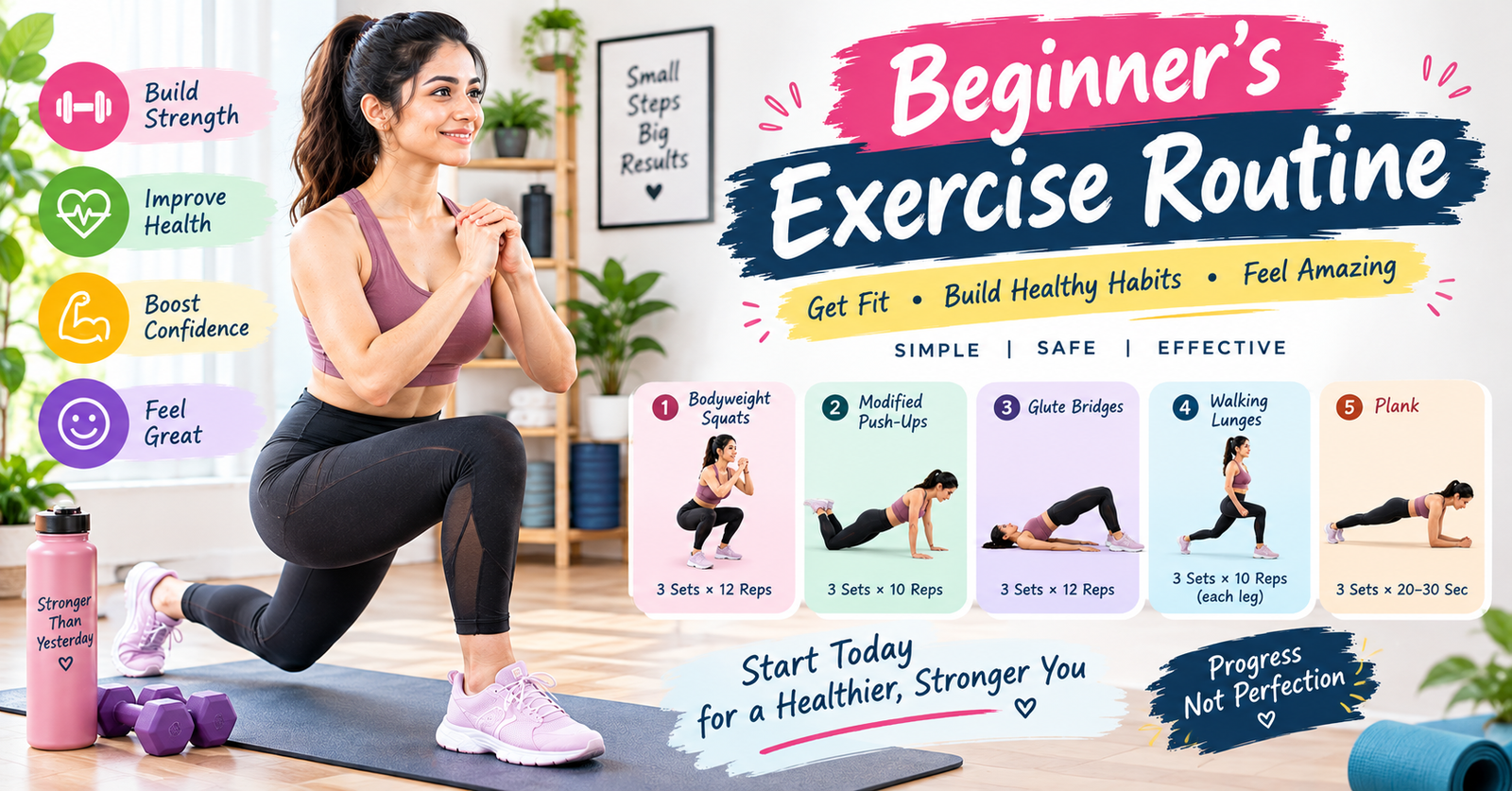
- Two to three strength based sessions using bodyweight or resistance bands
- One or two low impact cardio sessions such as brisk walking or stepping
- Daily movement outside of workouts, like a short walk after meals
- At least one full rest day for recovery
Strength training matters more than most women realize for fat loss specifically, since muscle tissue keeps your metabolism higher even at rest. A closer look at why this matters and how to start safely is covered in this guide on strength training for women.
Common Mistakes That Quietly Stall Progress
Plateaus are rarely mysterious. They almost always trace back to a handful of repeated mistakes that are easy to miss without outside feedback.
- Underestimating portion sizes, especially with rice and cooking oil
- Doing the same workout for months without any progression
- Skipping strength training out of fear of looking bulky
- Expecting visible change within the first one or two weeks
- Cutting calories too aggressively, which slows metabolism and increases fatigue
Recognizing these patterns early is often the difference between a plan that works for months and one that gets abandoned after a frustrating few weeks.
How Hormones and PCOS Affect Weight Loss at Home
Weight loss does not follow the same simple math for every woman, especially when hormonal conditions are involved.
Women dealing with PCOS often experience slower fat loss due to insulin resistance, which means the plan needs adjusting rather than abandoning. This usually means prioritizing protein and fiber at each meal, choosing lower intensity but more frequent movement, and being patient with a slightly slower timeline than someone without hormonal involvement. A trainer familiar with these nuances will modify both the food plan and training intensity around your cycle instead of applying a generic template that ignores it.
Tracking Progress Without Obsessing Over the Scale
The number on the scale is only one small part of the full picture, and relying on it alone often leads to unnecessary discouragement.
A more accurate way to track progress includes a mix of these methods.
- Weekly body measurements around the waist, hips, and arms
- Progress photos taken in consistent lighting every two weeks
- How clothes fit compared to a month earlier
- Energy levels and sleep quality, which often improve before visible change
Water retention, hormonal cycles, and even the timing of your last meal can shift the scale by a kilogram or more in a single day, so weight alone is a misleading daily metric.
Building Long Term Habits That Actually Stick
A plan that only works while motivation is high is not really a plan at all. Long term success depends on habits that survive busy weeks and low motivation days.
Small, repeatable habits tend to outperform dramatic short term efforts.
- Prep vegetables or protein in advance for two or three days at a time
- Keep a simple, repeatable breakfast to remove daily decision fatigue
- Schedule workouts at the same time each day to build automatic routine
- Track progress every two weeks instead of daily to avoid obsessive checking
- Allow planned flexibility so one indulgent meal does not derail the entire week
Why Guided Support Improves Results
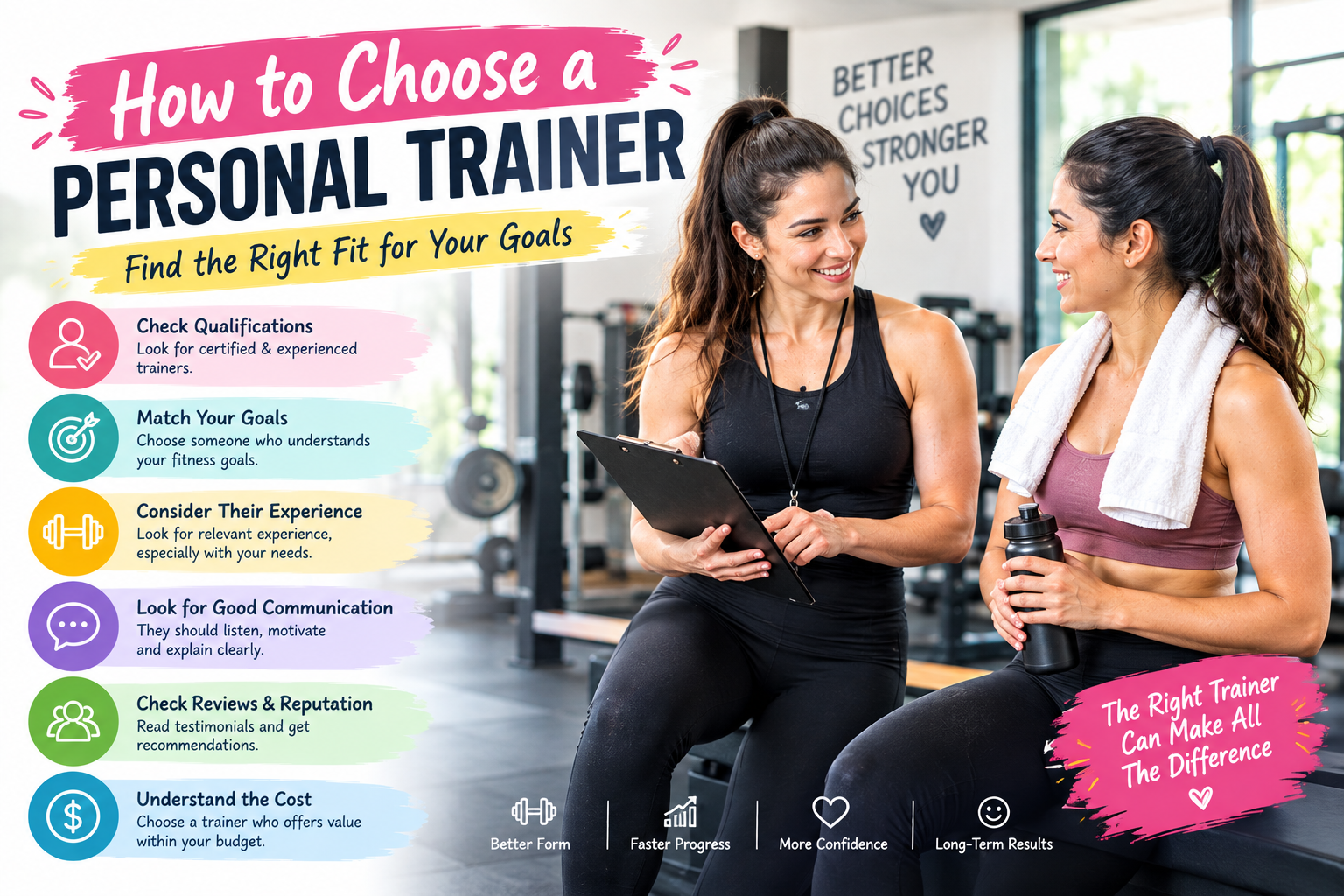
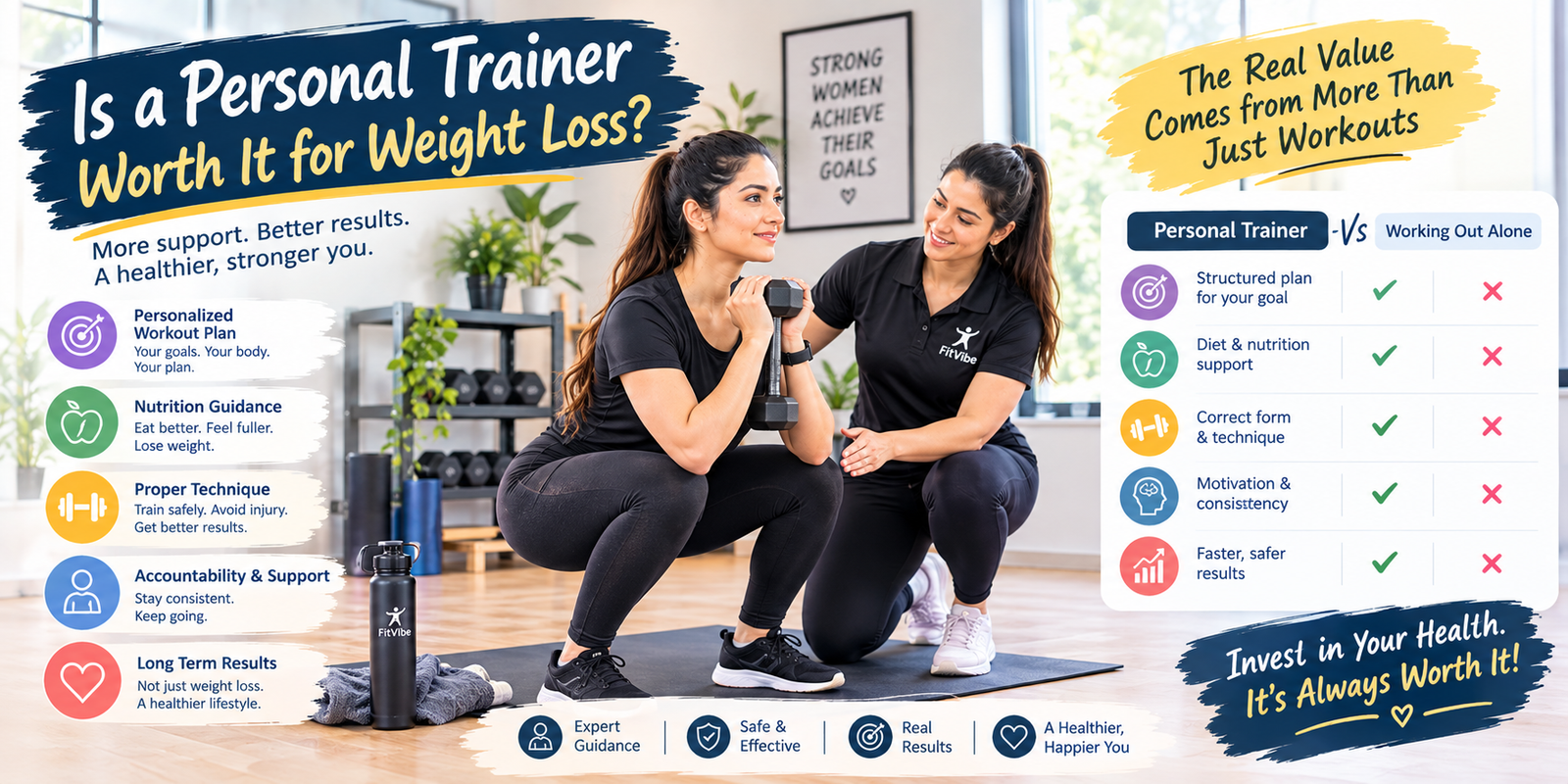
Following a plan alone is possible, but most women underestimate how much accountability changes the outcome. A trainer catches mistakes early, adjusts the plan based on real progress data, and keeps motivation steady through the inevitable slow weeks.
Structured guidance also removes the guesswork of knowing when to increase workout intensity or adjust calorie intake as your body changes. You can book a free discovery call to discuss your specific starting point and get a realistic home based plan built around your schedule and goals.
Frequently Asked Questions
How much weight can I realistically lose at home in a month
Most women can expect to lose around two to four kilograms per month with a consistent calorie deficit, regular strength training, and daily movement, though the exact number depends on starting weight and consistency.
Do I need equipment to lose weight at home
No. Bodyweight exercises and resistance bands are enough to build strength and support fat loss, especially in the first few months of a structured plan.
Will strength training make me look bulky
No. Female physiology does not typically support the kind of muscle growth associated with bulking, and strength training instead supports a leaner, more toned appearance while protecting metabolism during weight loss.
How long before I see visible results
Most women notice reduced bloating and improved energy within two to three weeks, with visible physical changes typically becoming clear between weeks six and eight of consistent effort.
Can I still eat roti and rice while losing weight
Yes. Weight loss depends on total calorie balance rather than eliminating specific foods, so roti and rice can remain part of the plan with adjusted portion sizes and balanced meal composition.
Final Thoughts
A weight loss plan for women at home works best when it respects your normal food culture, builds strength alongside fat loss, and adjusts steadily based on how your body responds rather than following a rigid, one size fits all template. Consistency across weeks, not perfection in any single day, is what ultimately produces lasting change. Starting with a clear plan and some outside accountability makes that consistency far easier to maintain.
Ready to put this into action?
Train 1-on-1 or in a group with Amna — your first discovery call is completely free. Female-only, fully online, results you can see.
Book My Free Call on WhatsApp →