Most desi women living abroad do not struggle with weight loss because they lack discipline. They struggle because they are still following diet habits, portion sizes, and workout advice that made sense back home, in a completely different climate, kitchen, and daily routine. Fixing that mismatch, not another crash diet, is what actually moves the number on the scale.
Why Weight Loss Feels Different When You Move Abroad
Moving from Pakistan, India, or the Gulf to the US, UK, Canada, or Europe changes far more than your address. Your grocery list, your work hours, your sleep pattern, and even your stress levels shift, and your body responds to all of it.
- Desi meals abroad often use more oil and refined carbs than the same dish would use at home, because ingredients and portion habits change with convenience.
- Winters in colder countries reduce daily walking and outdoor movement that used to happen naturally.
- Long work shifts and time zone gaps with family back home increase stress eating and disrupted sleep.
- Vitamin D deficiency, common in less sunny climates, quietly affects metabolism and energy.
None of this means weight loss is impossible abroad. It means the plan has to be rebuilt around the new environment instead of copied from an old one.
Mistake One Relying on Home Country Diet Rules
A lot of desi women bring their mother's or grandmother's diet advice abroad and expect it to work exactly the same way, but the food itself has changed.
Flour, dairy, and produce abroad are processed differently than what most families grew up eating in Pakistan or India. Roti made with imported atta, packaged yogurt, and frozen vegetables all behave differently in the body than fresh, local versions. Following an old mental calorie count for these foods usually means underestimating intake by a wide margin, which is one of the quietest reasons weight loss stalls.
Mistake Two Skipping Strength Training Because Cardio Feels Safer
Cardio alone is a common starting point, but it is rarely the missing piece for sustainable fat loss.
- Strength training builds the muscle mass that keeps your metabolism active even on rest days.
- It protects bone density, which matters more for South Asian women due to higher rates of vitamin D deficiency and PCOS.
- It reshapes the body in a way that walking or running on its own does not.
Women following a structured workout plan for Pakistani women in Dubai tend to see faster, more visible changes once resistance training is added alongside cardio, rather than relying on cardio in isolation.
Mistake Three Ignoring Portion Sizes With Desi Meals Abroad
Desi cooking abroad tends to happen in larger batches, often for family gatherings or freezer meals, and portion awareness quietly disappears.
A single serving of biryani, karahi, or paratha eaten abroad is frequently double the portion someone would have eaten daily back home, simply because meals are cooked less often and consumed in bigger quantities. This is not about giving up desi food. It is about measuring it once, so the eye recalibrates to what a real portion actually looks like.
Mistake Four Not Accounting for Hormonal and Thyroid Changes
Weight gain that will not respond to diet or exercise changes is sometimes a hormonal issue, not a discipline issue, and this gets missed often after relocating.
- PCOS symptoms can worsen with stress, poor sleep, and dietary shifts that come with moving abroad.
- Thyroid function can be affected by climate change, diet change, and delayed medical follow up in a new country.
- Many women do not get bloodwork done for months after moving, simply due to new healthcare systems and long clinic waitlists.
If weight loss has stalled despite consistent effort, it is worth reading through a fitness plan built specifically for thyroid related weight gain, since generic calorie cutting tends to backfire when hormones are the real driver.
Mistake Five Isolating Instead of Building a Support System
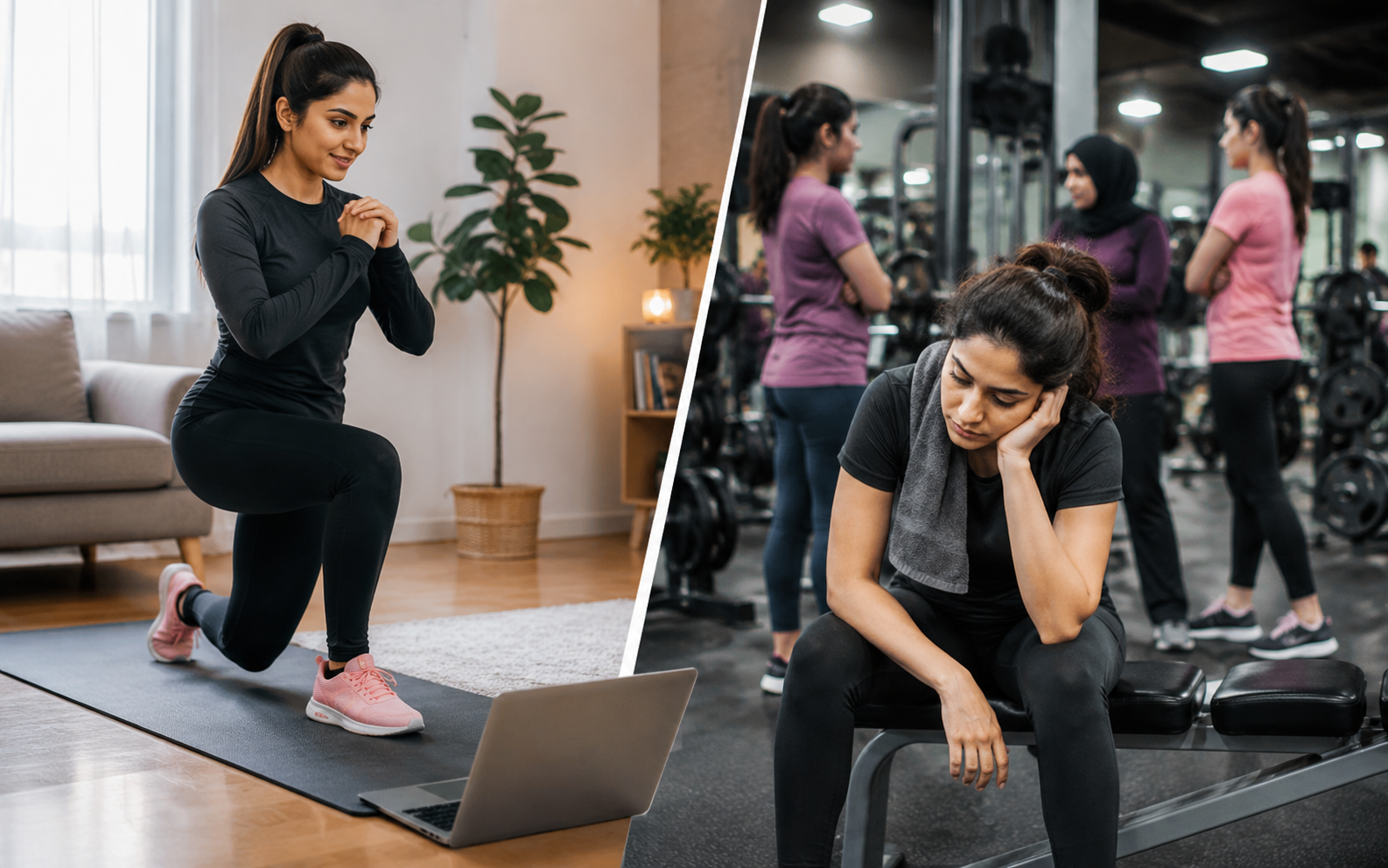
Weight loss abroad is harder to sustain in isolation, and many desi women underestimate how much community affects consistency.
Back home, accountability is built in through family, cousins, or neighborhood gym groups. Abroad, that structure has to be rebuilt on purpose. Local directories like ZK Local can help with finding nearby desi communities, grocery stores, and wellness services in a new city, which makes it easier to stay connected instead of trying to manage everything alone.
Mistake Six Chasing Quick Fixes Instead of a Sustainable Plan
Detox teas, extreme keto swings, and 7 day challenges are tempting when results feel urgent, but they rarely hold up past the first month.
- They are usually too restrictive to maintain alongside a full time job or family responsibilities.
- They do not build the muscle needed to keep metabolism steady long term.
- They often lead to regain within weeks of stopping, which damages motivation more than slow progress ever would.
A plan that fits an actual weekly schedule, even an imperfect one, consistently outperforms a perfect plan that gets abandoned after two weeks.
How to Build a Routine That Actually Works Abroad
Once the common mistakes are out of the way, the actual plan can stay fairly simple.
- Anchor the week around three to four strength sessions, not daily cardio alone.
- Rebuild desi meals with measured portions instead of removing them entirely.
- Get a vitamin D and thyroid panel done within the first few months of relocating.
- Set a consistent sleep window, since irregular shifts abroad disrupt hunger hormones directly.
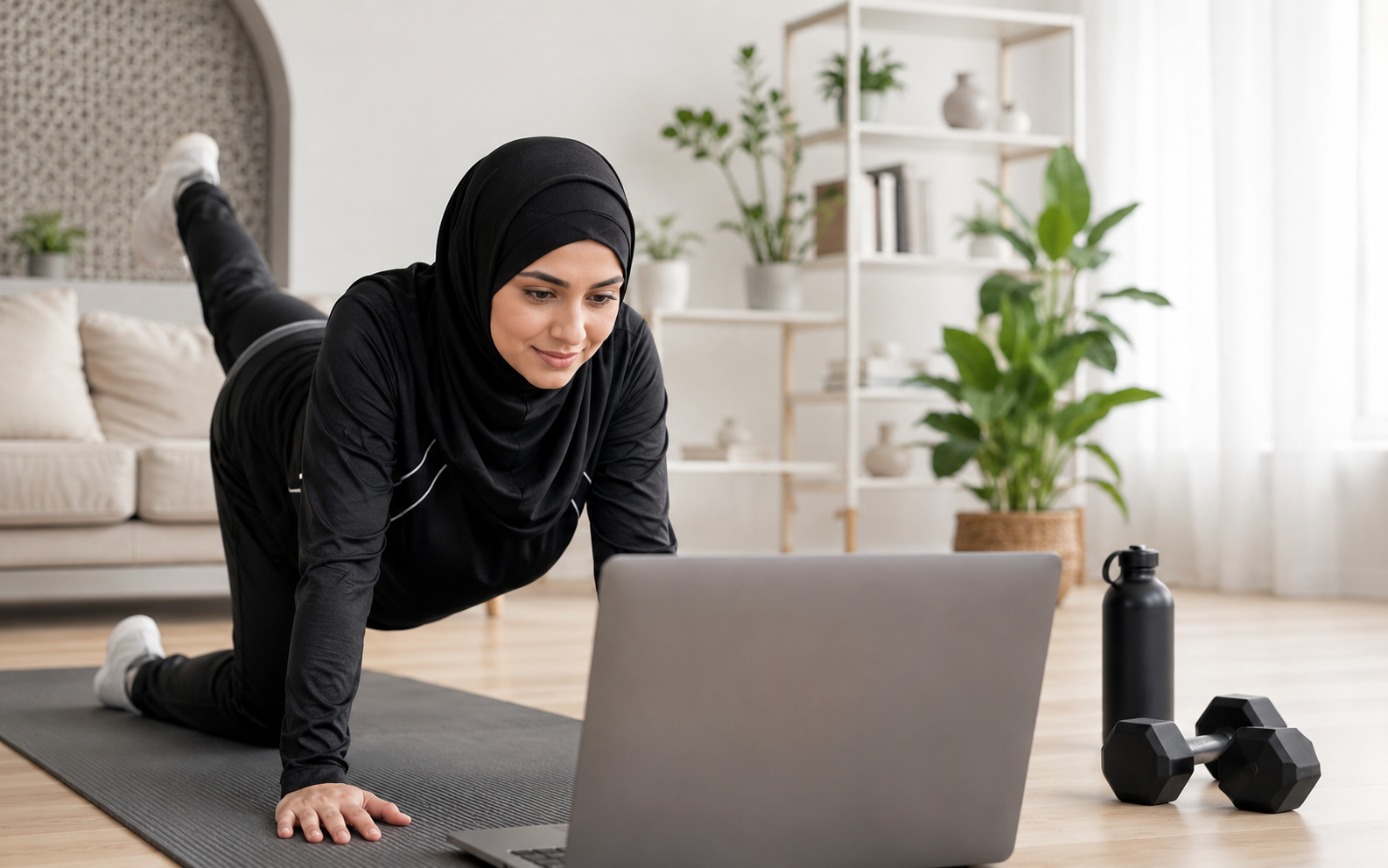
For women managing limited space or equipment, a home workout plan designed for women in Saudi Arabia shows how a small, consistent routine without a gym membership can still produce real results when the structure is right.
Working With a Trainer Who Understands the Desi Experience Abroad
Generic fitness advice online rarely accounts for desi food culture, family expectations, or the specific hormonal patterns common in South Asian women, which is exactly the gap that costs the most time.
Training online with someone who has coached women across similar time zones and similar starting points removes a lot of the guesswork. It also means the plan adjusts around real constraints, like a joint family kitchen or a rotating work shift, instead of ignoring them.
Frequently Asked Questions
Why is weight loss slower for desi women after moving abroad
Weight loss often slows because the diet, activity level, and daily routine all change at once after relocating, while the mental calorie estimates for familiar foods stay the same. Add reduced sunlight, more sedentary work, and higher stress, and progress that used to feel automatic starts to stall.
Do desi women need a different diet plan abroad compared to back home
Yes, because the same dishes are often prepared with different ingredients and larger portions abroad. A diet plan should be rebuilt around local grocery options and actual portion sizes rather than copied from a routine that worked in a different country.
Can PCOS or thyroid issues explain weight gain after moving abroad
They can. Hormonal conditions like PCOS and thyroid dysfunction are sensitive to stress, sleep, and dietary shifts, all of which change significantly during relocation. Getting bloodwork done early after moving helps rule this out before assuming the issue is only diet or exercise.
Is strength training safe for beginners doing weight loss abroad
Yes, strength training is safe and effective for beginners when the program is built around current fitness level and any existing injuries. It is one of the most reliable ways to protect metabolism and bone density while losing fat.
How can desi women stay consistent with fitness while living abroad
Consistency improves with structure and community. Following a set weekly plan, tracking portions instead of guessing, and connecting with other desi women locally or through an online coach all make it easier to stay on track long term.
Ready to put this into action?
Train 1-on-1 or in a group with Amna — your first discovery call is completely free. Female-only, fully online, results you can see.
Book My Free Call on WhatsApp →