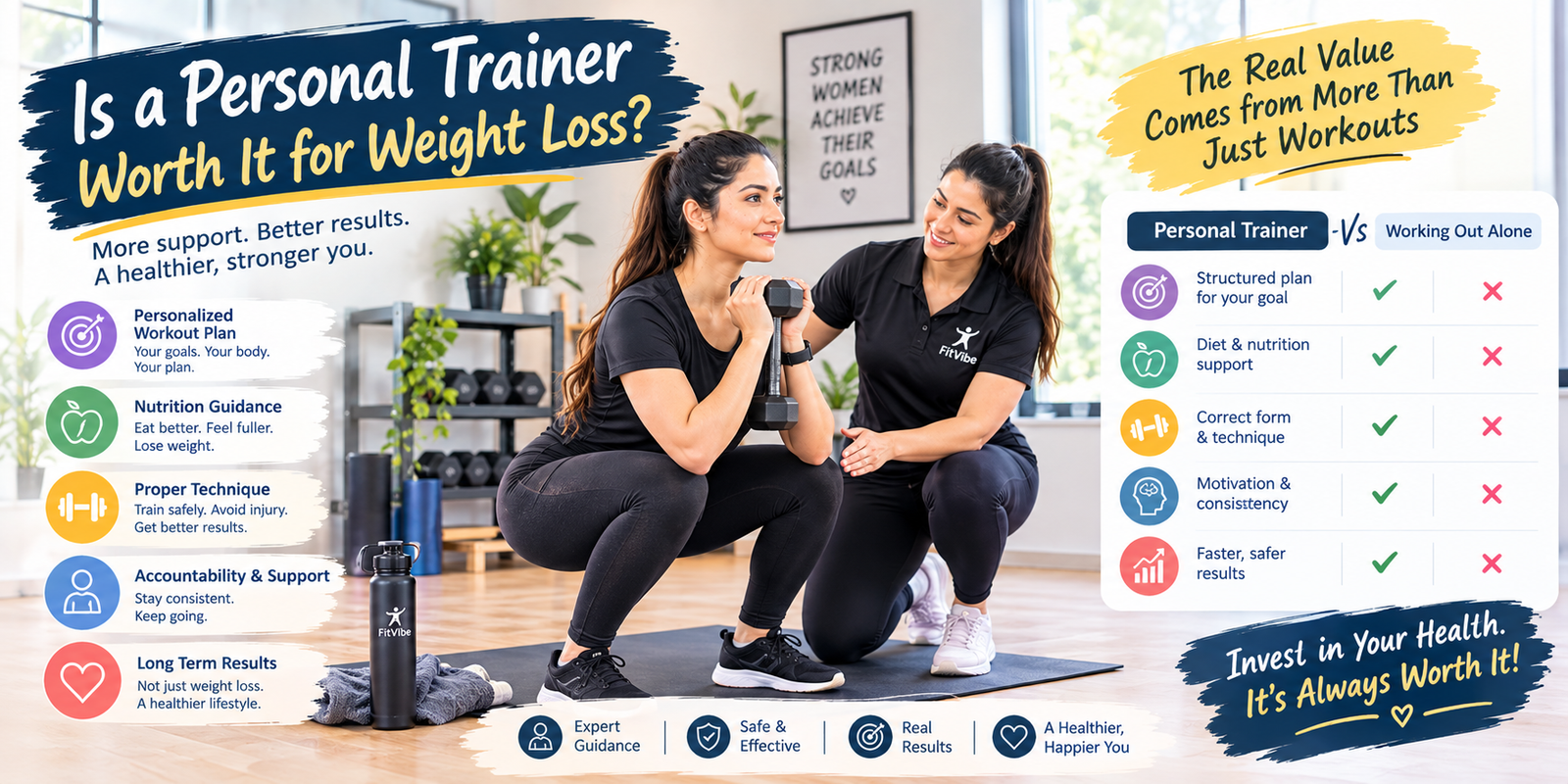
The right online personal trainer for a Muslim woman is one who builds the entire program around her comfort, not around a generic template. That means female only sessions, scheduling that respects prayer times and fasting months, and coaching that never asks her to compromise on modesty to get results. When those pieces are in place, fitness stops feeling like a trade off.
Why Muslim Women Often Feel Underserved by Standard Fitness Programs
Most mainstream fitness content is built around a single lifestyle, and it rarely accounts for modesty preferences, mixed gender spaces, or religious routines that shape a woman's day.
- Many gyms still have mixed floors during peak hours, which limits comfortable training windows.
- Generic workout videos often feature clothing or movements that do not align with modesty preferences.
- Ramadan, prayer schedules, and fasting are rarely factored into standard fitness plans at all.
None of this means fitness has to be sacrificed. It means the coaching model needs to be built differently from the start.
What Makes Online Training a Natural Fit for Muslim Women
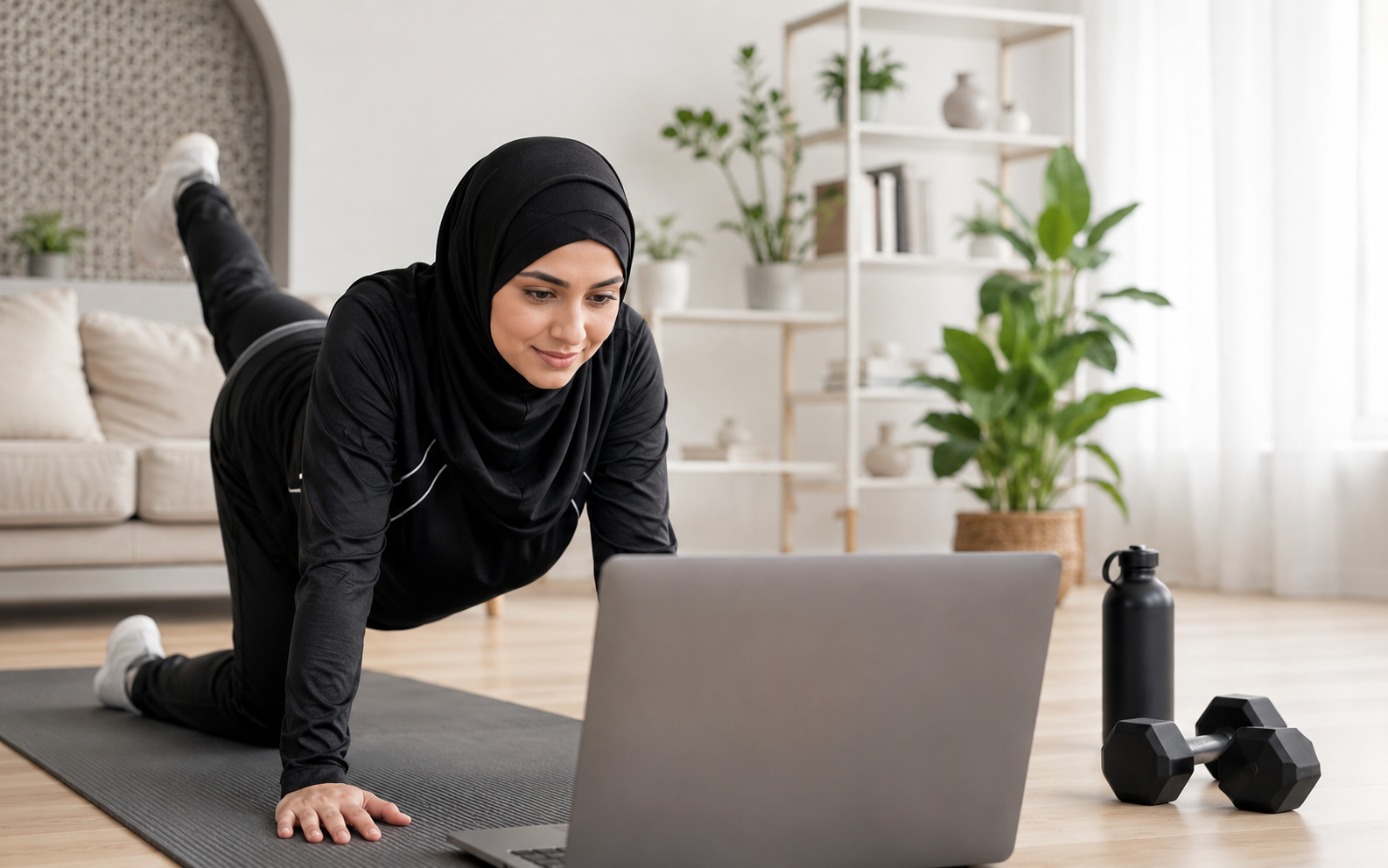
Training from home removes several barriers at once, which is exactly why online coaching has become such a practical option for Muslim women worldwide.
A session held over video call in a private space means no mixed gym floor, no public gym clothing concerns, and no wasted commute time around five daily prayers. Whether a woman is in Lahore, London, Toronto, or Riyadh, the format stays the same. Only the time zone changes, and that is simply a scheduling detail rather than a barrier.
Modesty Focused Coaching Without Compromising Results
A common misconception is that modest training somehow limits intensity or progress, but that is not accurate when the program is designed properly.
- Strength training, resistance work, and cardio can all be done fully covered without any loss of effectiveness.
- Form correction happens through verbal cues and camera angles, not through physical adjustment.
- Workout clothing recommendations focus on breathable, modest fabrics that still allow full range of motion.
Real progress comes from programming logic such as progressive overload, consistency, and recovery, not from clothing choices, so modesty and strong results are never in conflict.
Scheduling Around Prayer Times and Ramadan
A trainer who understands the rhythm of a Muslim woman's day builds sessions around it instead of expecting her to work around a fixed gym class time.
During Ramadan, training intensity, timing, and nutrition guidance all shift. Sessions often move closer to iftar or later in the evening, hydration and energy strategies change around suhoor, and workout volume is adjusted to protect energy for fasting hours. This kind of flexible planning is difficult to get from a standard gym membership, but it is one of the most natural strengths of online coaching.
Common Mistakes Muslim Women Make When Choosing a Trainer
A few recurring mistakes make it harder to find a program that actually fits, and most of them are easy to avoid once identified.
- Choosing a trainer without confirming female only sessions, which can lead to discomfort later.
- Assuming Ramadan simply means pausing training entirely, rather than adjusting it.
- Following generic Western meal plans that ignore halal requirements or familiar home cooked meals.
- Picking a program based on price alone without checking certification or real client results.
Avoiding these mistakes early usually saves months of inconsistent progress and frustration later.
Nutrition Guidance That Respects Halal and Cultural Food Habits
Meal plans only work when they reflect what a woman is actually going to eat, and that has to include halal requirements and familiar cultural dishes.
A good online coaching program builds nutrition guidance around real meals such as roti, daal, and desi curries, adjusted for portion size and cooking method rather than replaced with unfamiliar Western food lists. Women managing conditions like PCOS often benefit from the same approach used in a fitness plan for thyroid related weight gain, where hormonal factors and real diet habits are addressed together instead of separately.
Building Strength Safely at Every Life Stage
Muslim women reach out for online coaching at very different life stages, from early twenties to postpartum recovery to later years managing joint pain or reduced mobility.
- Postpartum clients need gradual core and pelvic floor focused progressions before returning to full intensity training.
- Women managing joint pain benefit from low impact strength work that still builds real muscle.
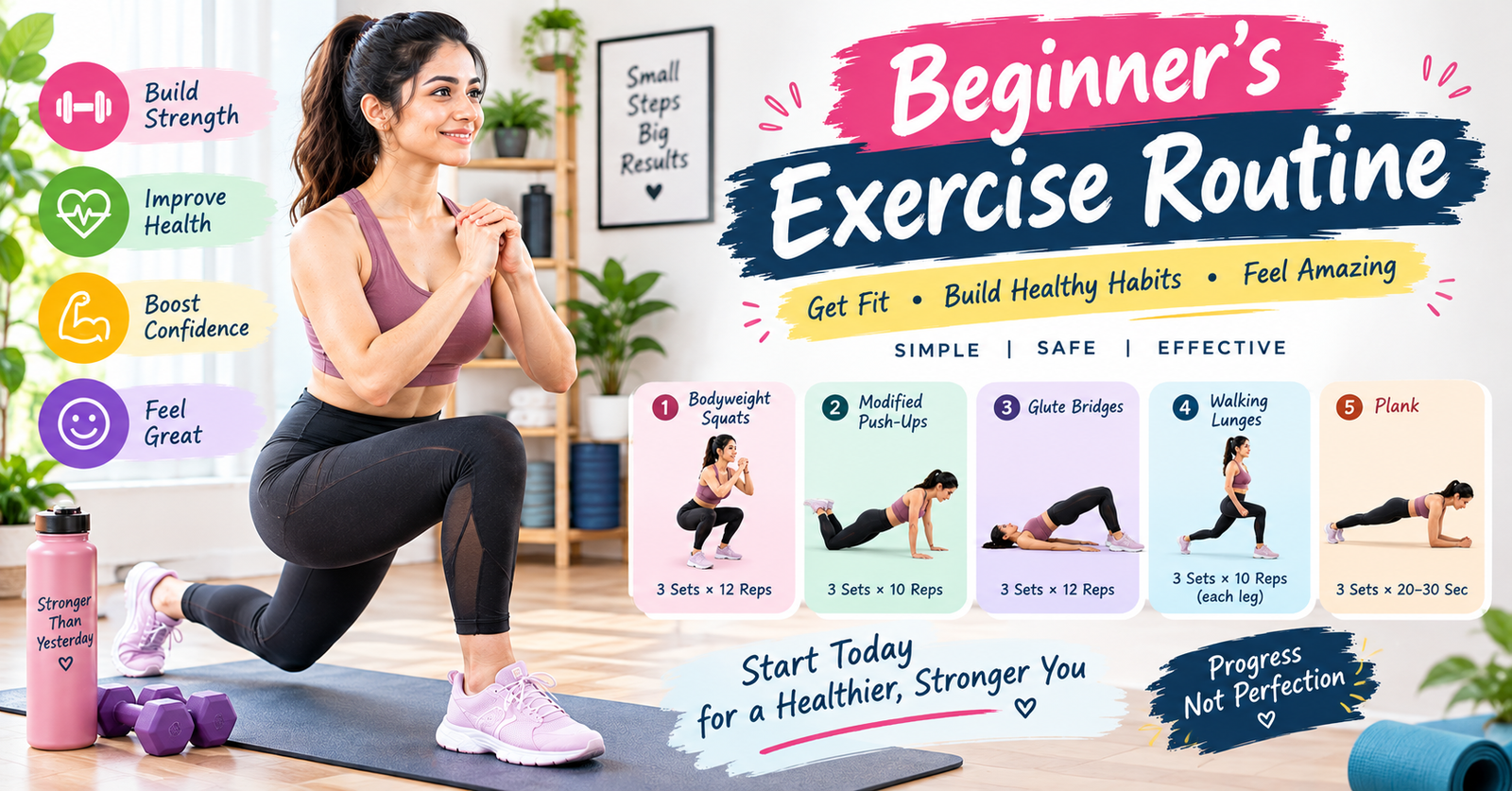
- Beginners need a slower ramp up focused on form before load is added.
This same principle applies to recovery focused training, similar to a structured frozen shoulder recovery routine, where progress depends on gradual, guided movement rather than pushing through pain.
Finding Community as a Muslim Woman Training Abroad
Training online does not have to mean training in isolation, and community plays a real role in staying consistent long term.
Group WhatsApp accountability, monthly check ins, and connecting with other Muslim women following similar programs recreate the support that used to come from a local gym or family setting. For women recently relocated to a new city, directories such as ZK Local can also help with finding nearby halal grocery stores, mosques, and community groups, which makes settling into a new routine easier alongside the training itself.
How to Choose the Right Online Trainer
Not every program built around Muslim women worldwide is built with the same level of care, so it helps to check a few things before committing.
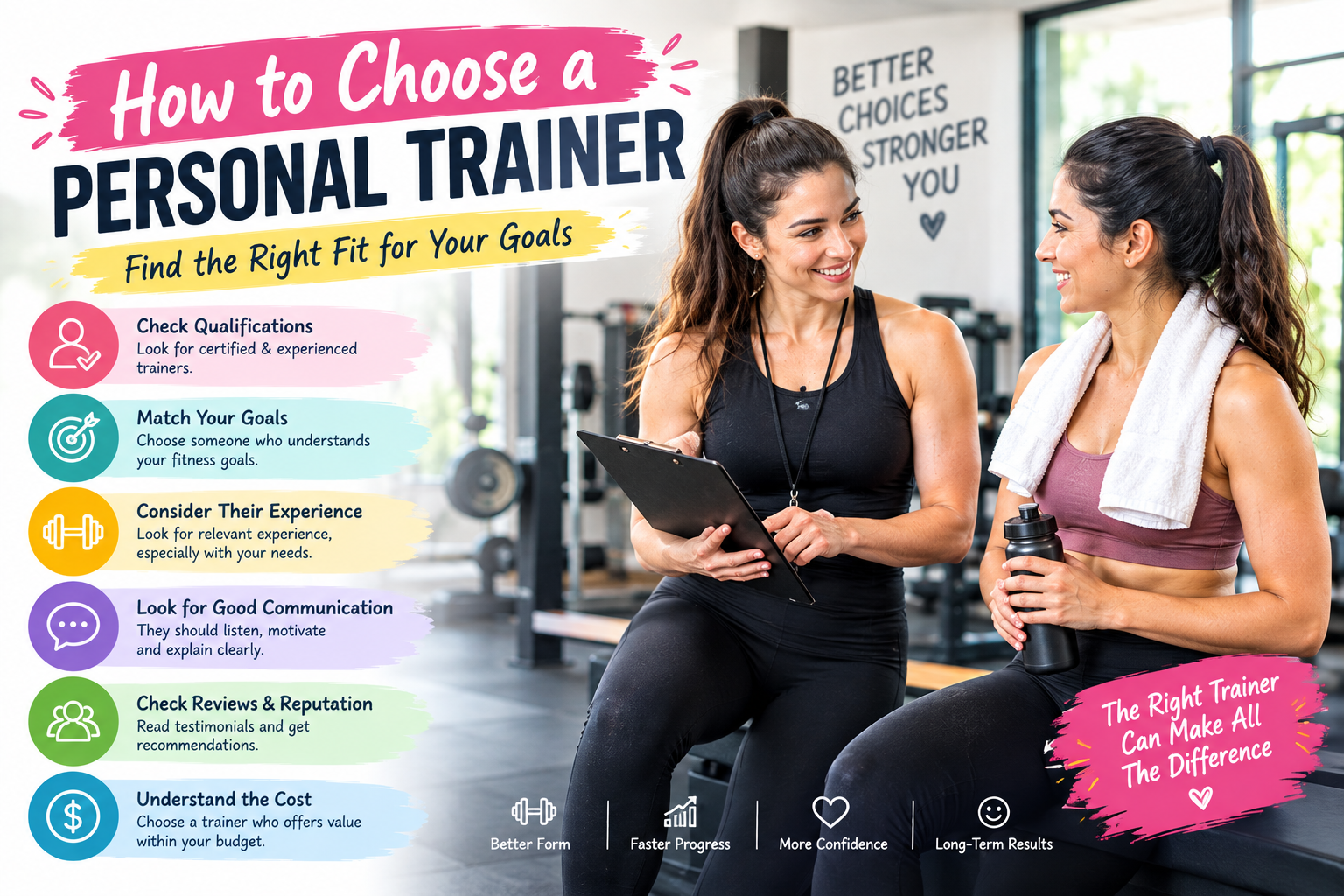
- Confirm the trainer holds a recognized certification, such as ACE, rather than an informal social media background.
- Ask how Ramadan and prayer times are handled within the program structure.
- Check whether nutrition guidance reflects halal, culturally familiar meals.
- Look for a free trial or discovery call before committing to a longer program.
A properly built online workout plan for Pakistani women in Dubai is a useful example of what this looks like in practice, where structure, modesty, and real results are treated as equally important from the start.
Frequently Asked Questions
Can I train fully covered without losing effectiveness
Yes, strength training and cardio can both be done fully covered without any reduction in results. Progress comes from consistent programming and effort, not from clothing choices.
How does online training handle Ramadan and fasting
A well built program shifts session timing closer to iftar or later in the evening, adjusts workout intensity, and updates hydration and nutrition guidance around suhoor. This allows training to continue safely throughout the fasting month instead of being paused entirely.
Are online sessions private and female only
Yes, sessions are held over private video call with a female trainer, which removes any mixed gender gym environment. This setup allows full focus on form and comfort without public visibility.
Will nutrition guidance include halal and familiar meals
Yes, nutrition plans should be built around halal requirements and culturally familiar meals rather than generic Western food lists. This makes the plan realistic to follow long term instead of difficult to sustain.
What should I check before choosing an online trainer
Look for a certified trainer, clear communication about how prayer times and Ramadan are handled, halal aligned nutrition guidance, and a free trial session before any long term commitment. These details matter more than price alone when choosing the right fit.
Ready to put this into action?
Train 1-on-1 or in a group with Amna — your first discovery call is completely free. Female-only, fully online, results you can see.
Book My Free Call on WhatsApp →