Frozen shoulder recovery for women in Pakistan is best approached with gentle, doctor approved mobility exercises done consistently at home, such as pendulum swings, towel stretches, and light external rotation work, alongside guidance from a physiotherapist or trainer who can adjust the pace as the shoulder loosens. Rushing the process or pushing through sharp pain tends to slow recovery rather than speed it up, so the right routine is slow, structured, and built around your current stage of healing.
Understanding What Frozen Shoulder Actually Is
Frozen shoulder, medically known as adhesive capsulitis, happens when the tissue surrounding the shoulder joint thickens and tightens, gradually restricting movement. It is more common in women, particularly between the ages of forty and sixty, and often develops slowly enough that many women only realize how limited their range has become once daily tasks like reaching behind their back or lifting an arm overhead start feeling difficult.
The condition usually moves through stages, starting with a painful phase, moving into a stiffer freezing phase, and eventually a thawing phase where movement gradually returns. Understanding which stage you are in matters, because the right exercises change depending on how much pain and stiffness you are currently dealing with.
Why Exercise Selection Matters More Than Intensity
A common misconception is that pushing through stiffness faster will resolve it sooner. In reality, forcing movement during the painful stage can aggravate inflammation and set recovery back by weeks. The goal in early stages is gentle, controlled range of motion work, not stretching until it hurts.
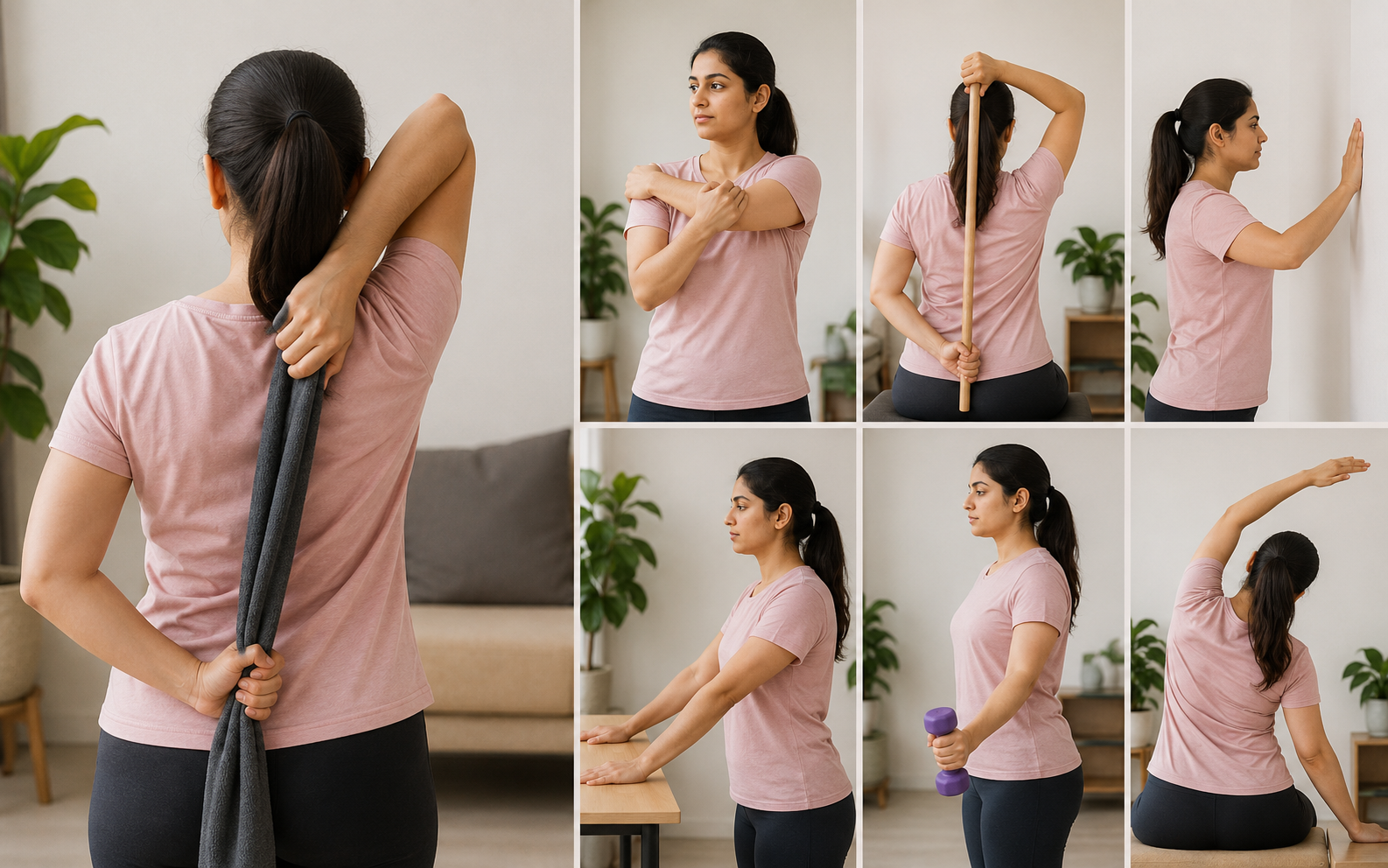
- Pendulum swings to encourage light passive movement without strain
- Towel stretches behind the back to slowly rebuild internal rotation
- Wall crawls to track overhead range gradually over time
- Cross body arm stretches for the front and side of the shoulder
A Sample Gentle Routine to Start With
Before starting any routine, a diagnosis and clearance from a doctor is essential, since frozen shoulder can sometimes be mistaken for rotator cuff issues that need different treatment entirely. Once cleared, a simple daily routine can begin.
Most women start with five to ten minutes of pendulum swings, letting the arm hang loosely and moving in small circles using body momentum rather than shoulder effort. This is followed by a towel stretch, holding the far end of a towel behind the back and gently pulling upward with the opposite hand, stopping well before any sharp pain. Wall crawls come next, walking the fingers up a wall slowly and marking progress with a pencil to track range over weeks.
Progressing the Routine as Mobility Improves
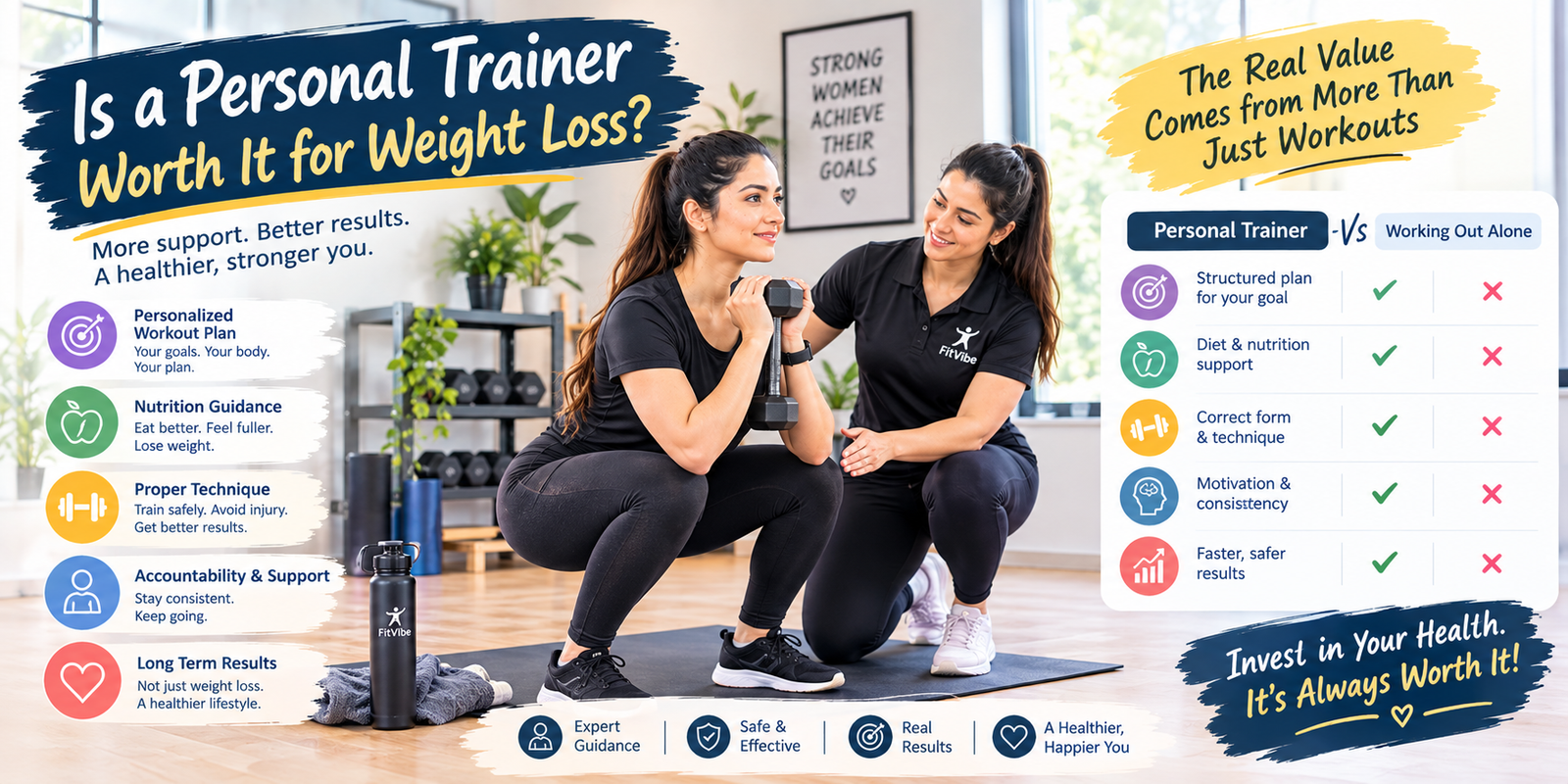
As the freezing phase eases into the thawing phase, light resistance work can usually be added, but this step benefits from professional guidance rather than guesswork. This is where working with a trainer experienced in choosing a female fitness trainer anywhere in Pakistan becomes useful, since progressing too quickly with resistance bands or light weights before the joint is ready can reignite pain.
- Light external rotation using a resistance band held close to the body
- Assisted overhead reaches using the unaffected arm for support
- Scapular squeezes to rebuild strength around the shoulder blade
Common Mistakes Women Make During Recovery
Recovery timelines vary widely, and a lot of frustration during this process comes from a few repeated mistakes rather than the condition itself being unusually stubborn.
- Stopping exercises entirely once pain reduces, which allows stiffness to return
- Pushing into sharp pain instead of a mild, tolerable stretch sensation
- Skipping the diagnosis step and assuming general shoulder pain is automatically frozen shoulder
- Doing exercises inconsistently instead of daily, which slows the gradual loosening process
Consistency matters more here than almost any other area of fitness, since the tissue changes driving frozen shoulder respond to steady, repeated gentle movement rather than occasional intense sessions.
Benefits and Realistic Recovery Expectations
Most women see meaningful improvement in range of motion within a few months of consistent daily exercise, though full recovery can take anywhere from six months to over a year depending on severity and how early treatment started. Improved sleep quality, reduced daily discomfort, and the ability to return to normal reaching and lifting movements are the main benefits reported once the thawing phase progresses well.
Frozen shoulder exercises are supportive, not a replacement for medical diagnosis and treatment. Any sharp pain, numbness, or sudden loss of movement should be reported to a doctor rather than worked through independently.
When to Bring In a Trainer for Structured Support
Many women manage the early stages alone with simple home stretches, but a structured, supervised plan becomes valuable once resistance and strength work enter the picture. Amna Saleem, the ACE certified trainer behind Fit Vibe Trainer, works with clients managing joint issues and mobility limitations, adjusting each session based on doctor guidance rather than applying a generic shoulder program to everyone.
Before booking any trainer for a condition like this, it helps to confirm credentials independently. Fit Vibe Trainer's business profile is listed on ZK Local, a directory where past client feedback and business details can be checked before scheduling sessions.
Frequently Asked Questions
Can frozen shoulder heal completely with exercise alone
Many cases improve significantly with consistent, doctor approved exercise, though recovery speed varies by individual and severity. Some women also need additional treatment such as physiotherapy sessions or, in persistent cases, a doctor may recommend further intervention alongside the exercise routine.
How long does frozen shoulder recovery usually take
Recovery timelines range widely, often between six months and two years depending on how early the condition was identified and how consistently exercises are followed. The painful and freezing stages tend to take longer than the final thawing stage, where movement gradually returns.
Should exercises stop if the shoulder still hurts
A mild stretching sensation is expected and generally safe, but sharp or worsening pain is a signal to stop and consult a doctor rather than push through it. Gentle, consistent movement within a comfortable range is more effective than forcing progress.
Is frozen shoulder more common in women than men
Yes, frozen shoulder occurs more frequently in women, particularly those between forty and sixty years old, and can be linked to hormonal changes, thyroid conditions, or extended periods of shoulder immobility after an injury or surgery.
Can a personal trainer help alongside physiotherapy
Yes, a trainer experienced in rehab focused work can support ongoing progress between physiotherapy sessions, reinforcing safe movement patterns and gradually reintroducing strength work once a doctor confirms it is appropriate to do so.
Ready to put this into action?
Train 1-on-1 or in a group with Amna — your first discovery call is completely free. Female-only, fully online, results you can see.
Book My Free Call on WhatsApp →