If you want a straight answer first, here it is. A realistic weight loss plan for women in Pakistan combines a calorie-aware desi diet built around roti, daal, sabzi and protein, three to five days of structured movement, better sleep, and consistency over eight to twelve weeks rather than a crash diet. There is no single food or workout that melts fat overnight, and anyone promising that is selling a shortcut that does not exist.
Losing weight in Pakistan comes with its own set of challenges that generic Western diet plans simply do not address. Between joint family meals, wedding season, limited access to gyms for women in some cities, and a culture built around rice, roti, and rich curries, most women need a plan that respects real life instead of fighting it.
Why Generic Diet Plans Fail Pakistani Women
Most viral diet plans are written for a different food culture entirely, which is why they rarely last past the second week here.
A plan built around egg whites, quinoa, and almond milk is not sustainable when your household eats roti and salan together at dinner. It also ignores the social reality of joint families, where cooking separate meals is often not practical. A workable plan has to fit inside the kitchen you already have, not replace it. That is why the most effective approach adjusts portion sizes, cooking oil quantity, and meal timing rather than eliminating entire food groups.
Common reasons these plans collapse include:
- 1. They cut carbs completely, which is unrealistic when roti or rice is a daily staple
- 2. They ignore ghee and oil-heavy cooking traditions instead of teaching moderation
- 3. They assume access to a private gym, when many women exercise at home or not at all
- 4. They don't account for hormonal factors like PCOS and thyroid issues, which are extremely common among Pakistani women
- 5.They promise results in 7 to 10 days, setting people up to quit when biology doesn't cooperate
Building a Desi Diet That Actually Supports Weight Loss
A sustainable eating pattern starts with what is already on your table, not with a foreign food list.
The goal is not to eliminate roti, daal, or sabzi. It's to rebalance portions, reduce oil quantity, and add protein so meals keep you full longer. A woman who eats one or two rotis with a protein-rich sabzi and a bowl of daal will typically stay fuller than someone who eats three rotis with a low-protein curry, even though the calorie count can be similar. Protein and fibre are the two levers that matter most here.
Practical adjustments that work within a Pakistani household include:
- Using one to two tablespoons of oil per curry instead of a free pour
- Adding a protein source to every meal, such as daal, chicken, paneer, or eggs
- Swapping white rice for brown rice or reducing rice portions on heavy-carb days
- Eating fruit as a mid-meal snack instead of biscuits or fried snacks
- Drinking water before meals rather than sugary drinks or extra chai
The Role of Exercise When Home Workouts Are the Only Option
Not every woman in Pakistan has access to a women-only gym, and that shouldn't stand between her and results.
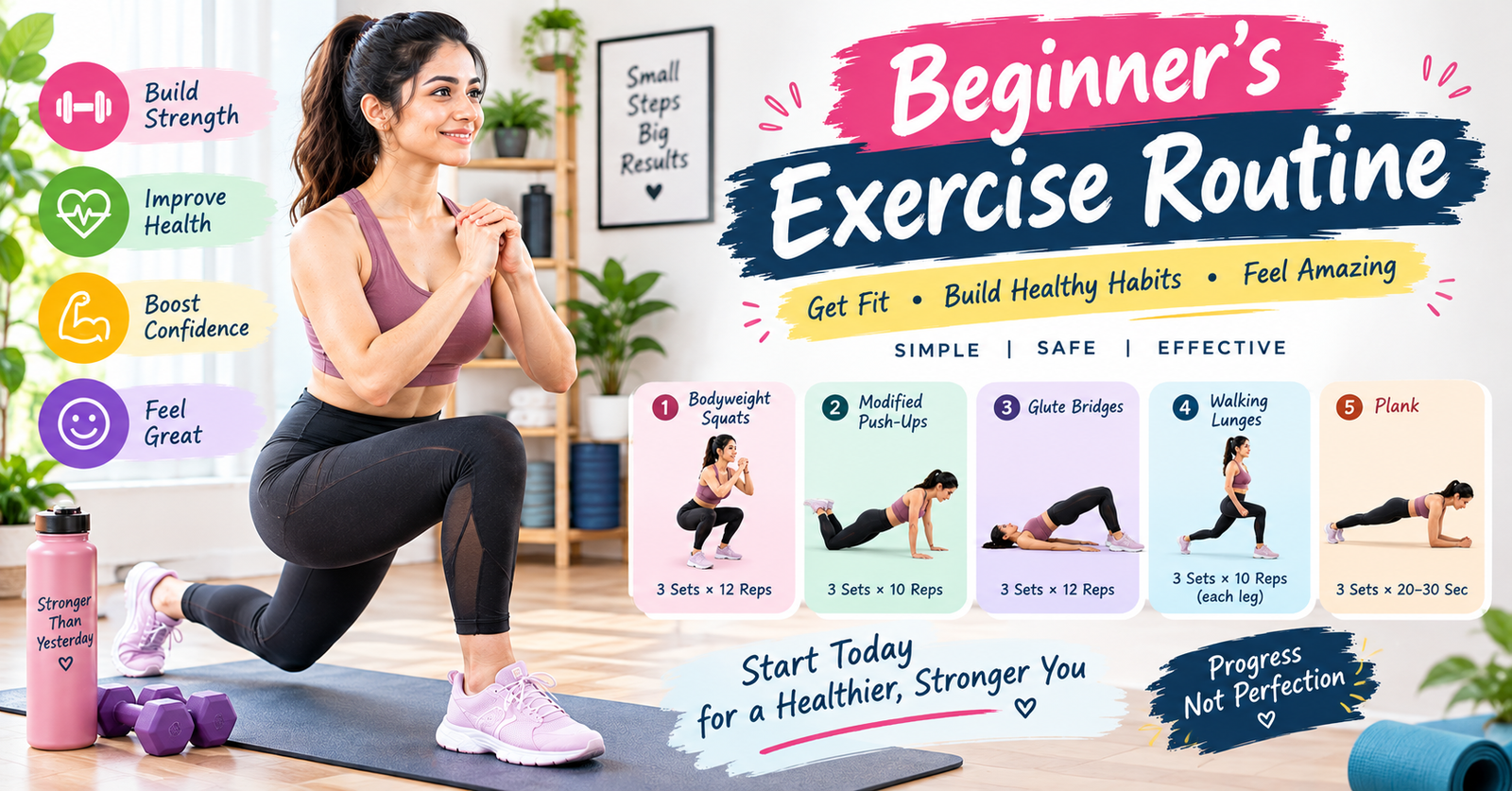
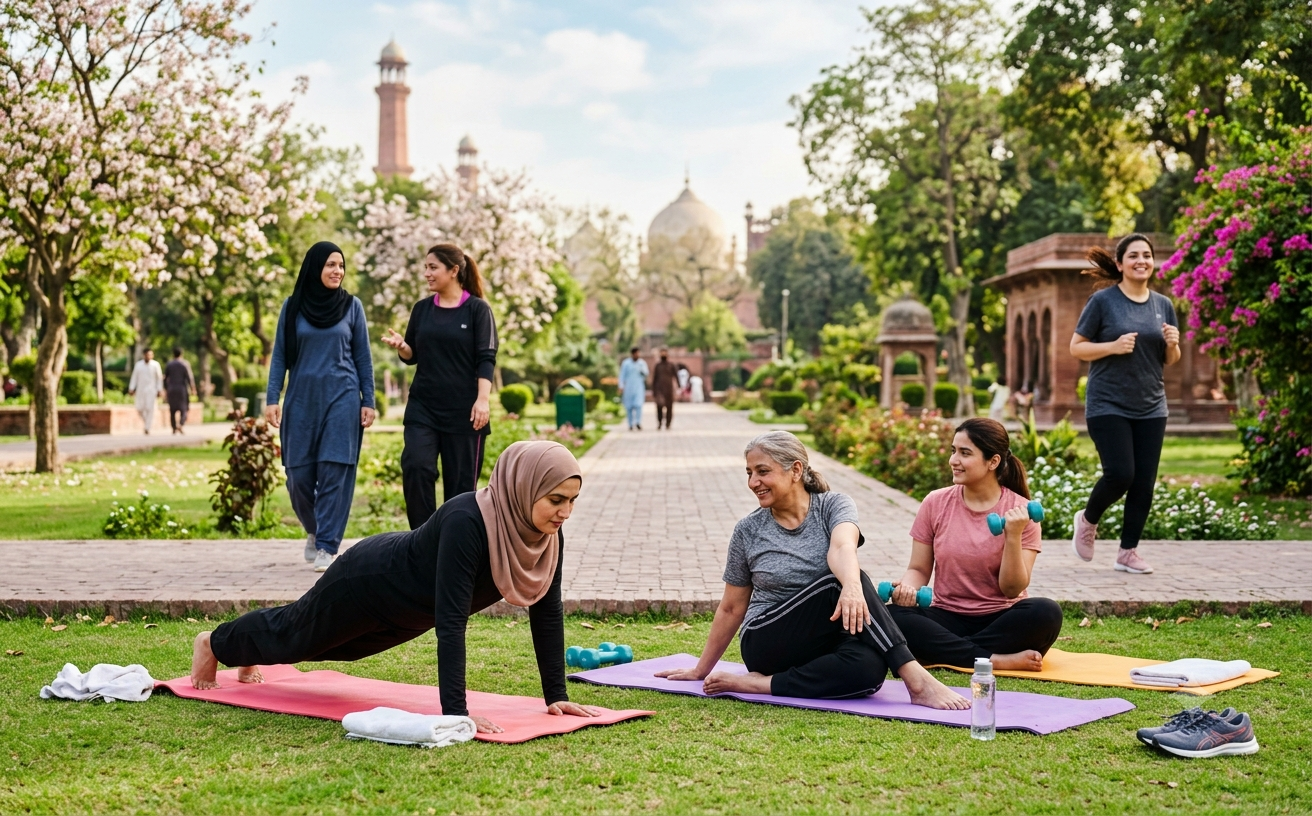
Bodyweight training at home, brisk walking on a rooftop or in a park, and simple resistance work using resistance bands or household items like water bottles can build real strength and burn meaningful calories. The key is consistency and progressive overload, meaning you gradually increase difficulty over weeks rather than doing the exact same ten-minute routine indefinitely. Thirty minutes of movement, four to five times a week, done consistently for two months, outperforms an intense but inconsistent gym membership almost every time.
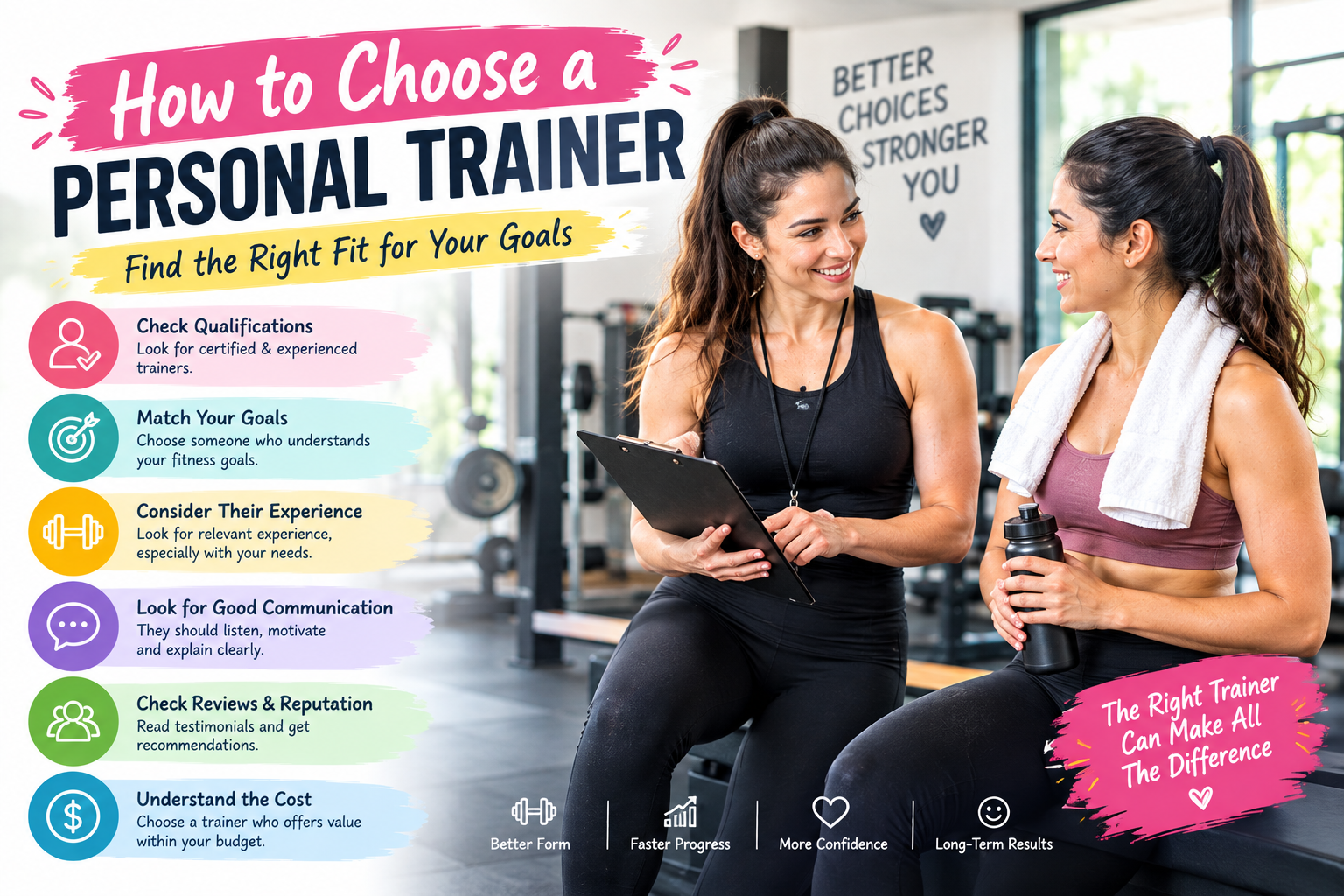
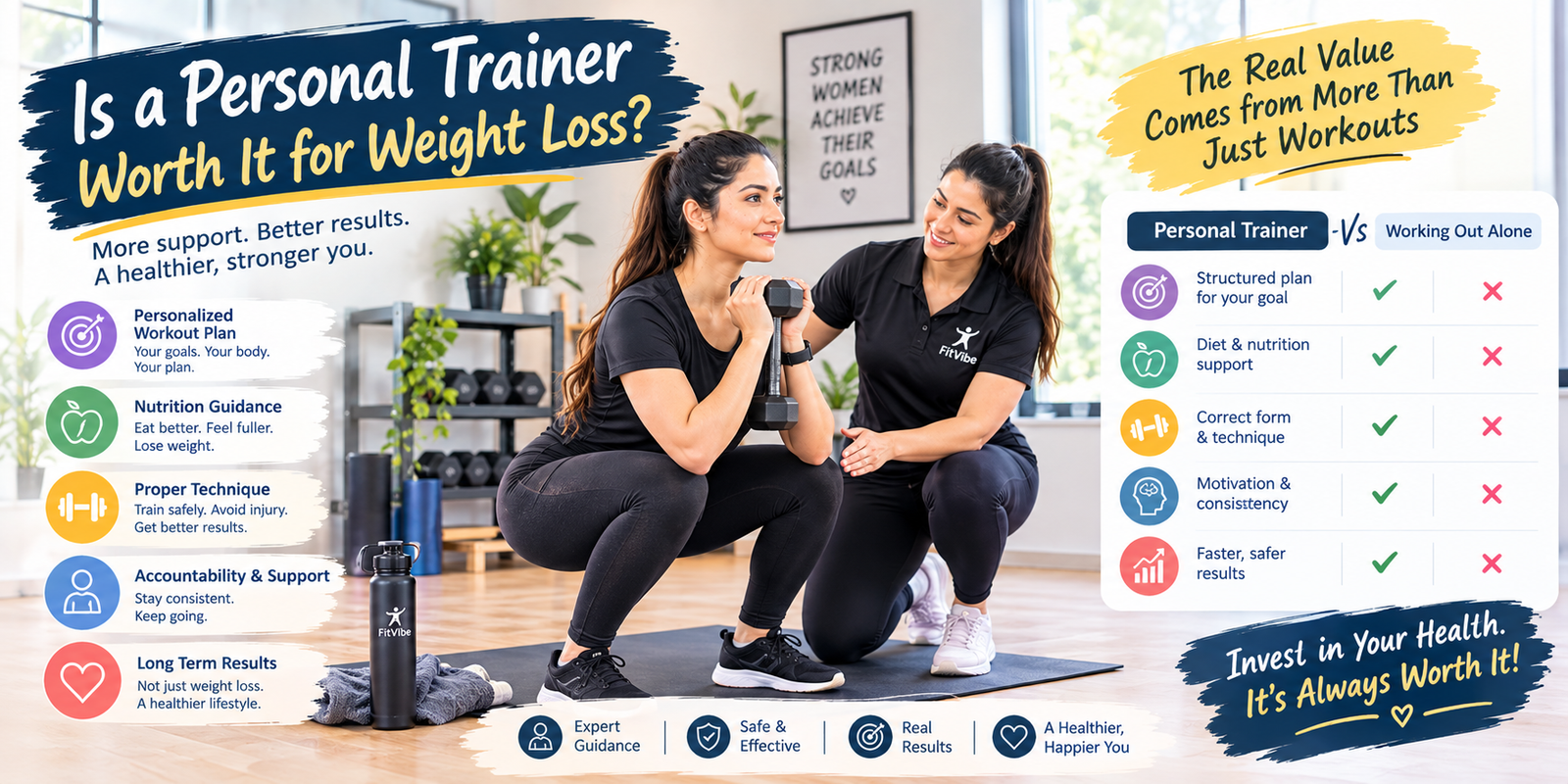
For women who do have access to structured training, working with a qualified female personal trainer in Lahore or any major Pakistani city can accelerate results by correcting form, structuring progressive workouts, and adjusting the plan around PCOS, thyroid conditions, or post-pregnancy recovery. A good trainer will ask about your medical history before designing a program, not just hand you a generic sheet.
Understanding PCOS Thyroid and Weight Loss in Pakistani Women
A large percentage of Pakistani women struggling with weight also have an underlying hormonal factor that a standard diet plan ignores completely.
PCOS and hypothyroidism both slow metabolism and increase insulin resistance, which means calorie counting alone often does not produce the expected results. Women with these conditions typically see better outcomes when they combine a lower glycemic index diet, strength training over pure cardio, and medical management with an endocrinologist or gynecologist, rather than relying on diet alone.
Signs that a hormonal issue may be affecting your weight include:
- 1. Weight gain despite eating in a calorie deficit
- 2. Irregular or missed periods
- 3. Excessive hair thinning or facial hair growth
- 4. Constant fatigue even after adequate sleep
- 5. Difficulty losing weight around the abdomen specifically
If several of these apply, a blood test before starting any weight loss plan is worth the time, since it changes how the plan should be built.
Avoiding Common Weight Loss Mistakes in Pakistan
A lot of well-intentioned effort gets wasted on habits that feel productive but don't move the needle.
Skipping meals to "save calories" for dinner usually backfires, leading to overeating later and unstable blood sugar throughout the day. Similarly, replacing meals entirely with detox teas or slimming capsules sold on social media can be both ineffective and, in some cases, unsafe, since many of these products are unregulated. Sustainable weight loss comes from a calorie deficit built through real food and consistent movement, not shortcuts.
Mistakes worth avoiding:
- 1. Relying on slimming teas, pills, or waist trainers instead of diet and exercise
- 2. Doing extreme cardio without any strength training, which can lead to muscle loss
- 3. Comparing your timeline to someone else's, especially on social media
- 5. Weighing yourself daily and reacting emotionally to normal water-weight fluctuations
- 6. Cutting calories too aggressively, which slows metabolism over time
Setting a Realistic Weight Loss Timeline
Losing weight safely means aiming for roughly half a kilogram to one kilogram per week, which adds up to meaningful, sustainable change over two to three months.
Faster loss is possible but usually comes from water weight and muscle, not fat, and it is far more likely to be regained. A woman starting at a higher body weight may see faster initial results, while someone closer to a healthy range should expect slower, steadier progress. Tracking measurements, how clothes fit, and energy levels tends to be more motivating than the scale alone, since muscle gain and fat loss can happen simultaneously and cancel each other out on the number.
When to Consider Professional Guidance
Self-guided plans work well for many women, but there are situations where expert input genuinely changes the outcome.
If you have a diagnosed hormonal condition, a history of disordered eating, a physical injury, or you have tried multiple plans without success, working with a nutritionist or a certified personal trainer removes the guesswork. A trainer who understands the local food culture and lifestyle in cities like Lahore, Karachi, or Islamabad can build a plan around your actual routine instead of an imported template, and can adjust it in real time as your body responds.
Frequently Asked Questions
What is the best diet plan for weight loss for women in Pakistan
The most effective approach uses familiar foods like roti, daal, and sabzi in controlled portions, with added protein and reduced oil, rather than switching to an entirely foreign diet. This makes the plan easier to sustain within a normal Pakistani household.
How much weight can a woman realistically lose in one month in Pakistan
A safe and sustainable target is roughly two to four kilograms per month, achieved through a moderate calorie deficit combined with regular movement. Faster loss is often water weight and tends to return once normal eating resumes.
Can I lose weight without going to a gym
Yes. Home-based bodyweight exercises, brisk walking, and resistance band training can produce real results when done consistently four to five times a week, especially when paired with a structured diet plan.
Does PCOS make weight loss harder for Pakistani women
Yes, PCOS commonly causes insulin resistance and a slower metabolism, which means standard calorie-counting approaches may need adjustment. Combining a lower glycemic index diet with strength training and medical guidance usually produces better results than diet alone.
How do I find a good personal trainer in Lahore
Look for a trainer with recognized fitness certification, experience working specifically with women, and a willingness to ask about your medical history before designing a program. A qualified trainer should adjust your plan around conditions like PCOS or thyroid issues rather than offering a one-size-fits-all routine.
Is intermittent fasting effective for weight loss in Pakistani women
It can work for some women, but it needs to be adapted around Sehri and Iftar-style eating patterns or normal meal timing, and it is not recommended for women with a history of hormonal imbalance or disordered eating without medical supervision.
Ready to put this into action?
Train 1-on-1 or in a group with Amna — your first discovery call is completely free. Female-only, fully online, results you can see.
Book My Free Call on WhatsApp →