If you want the short answer first, here it is. A realistic PCOS weight loss plan for women in Pakistan combines a moderate calorie deficit built around protein and fiber rich meals, consistent strength training to improve insulin sensitivity, and patience with a slower timeline than women without a hormonal condition, ideally alongside medical guidance for diagnosis and any necessary treatment. Fit Vibe Trainer works with women across Lahore managing PCOS, building fitness and nutrition plans that work alongside medical care rather than replacing it.
PCOS affects a significant number of women in Pakistan, and it changes how the body responds to diet and exercise in ways that generic weight loss advice rarely accounts for. Many women feel discouraged after following a normal weight loss plan without seeing the results they expected, without realizing that PCOS specifically requires a different approach. This guide breaks down why PCOS affects weight the way it does, what actually helps, and how to build a plan that respects both your hormones and your daily life.
Why PCOS Makes Weight Loss More Difficult
PCOS is a hormonal condition that affects many women during their reproductive years, and one of its most common effects is making weight loss noticeably harder than for someone without the condition.
Several factors specific to PCOS contribute to this difficulty.
- Insulin resistance is common with PCOS, which encourages the body to store fat more easily
- Elevated androgen levels can influence fat distribution, particularly around the abdomen
- Irregular cycles and hormonal fluctuations can affect hunger, cravings, and energy levels
- Slower metabolism is often reported by women with PCOS compared to those without it
Understanding these factors is important because it explains why a standard weight loss approach often falls short, and why a PCOS specific strategy tends to work better over time.
Why Medical Guidance Should Come First
Before starting any structured weight loss plan, getting a proper diagnosis and medical guidance from a gynecologist or endocrinologist is an important first step.
A doctor can confirm the diagnosis, check related markers such as insulin resistance or thyroid function, and advise on any medication that may be appropriate for your specific case. A fitness and nutrition plan works best when it complements this medical guidance rather than operating separately from it, especially since some women may need additional treatment beyond diet and exercise alone to manage their symptoms effectively.
Building a PCOS Friendly Diet Structure
A common mistake is following a generic weight loss diet without adjusting it for the insulin resistance that often comes with PCOS.
A more effective structure focuses on stabilizing blood sugar throughout the day.
- Prioritize protein at every meal to slow digestion and reduce blood sugar spikes
- Choose complex carbohydrates like whole grains over refined white rice and white bread
- Add fiber rich vegetables to most meals to support fullness and digestion
- Limit sugary drinks and heavily processed snacks that spike insulin quickly
- Keep familiar meals like daal, sabzi, and roti, adjusting portions and pairing rather than eliminating them
For a broader look at building sustainable meals using everyday Pakistani food, the best diet plan for weight loss in Lahore covers practical portioning and food swaps in more detail.
Why Strength Training Matters More With PCOS
Exercise plays an especially important role for women with PCOS, since strength training in particular helps improve how the body responds to insulin.
Building muscle through resistance training helps the body use blood sugar more efficiently, which directly addresses one of the core issues behind PCOS related weight gain. This makes strength training arguably more valuable than cardio alone for managing PCOS symptoms, even though both play a supporting role. A closer look at how to build a safe and effective strength routine is covered in this guide on strength training for women.
A Sample Weekly Exercise Structure
Consistency matters more than intensity when building an exercise routine around PCOS, since overly aggressive training can sometimes add unnecessary stress to an already sensitive hormonal system.
A balanced weekly structure for most women with PCOS looks like this.
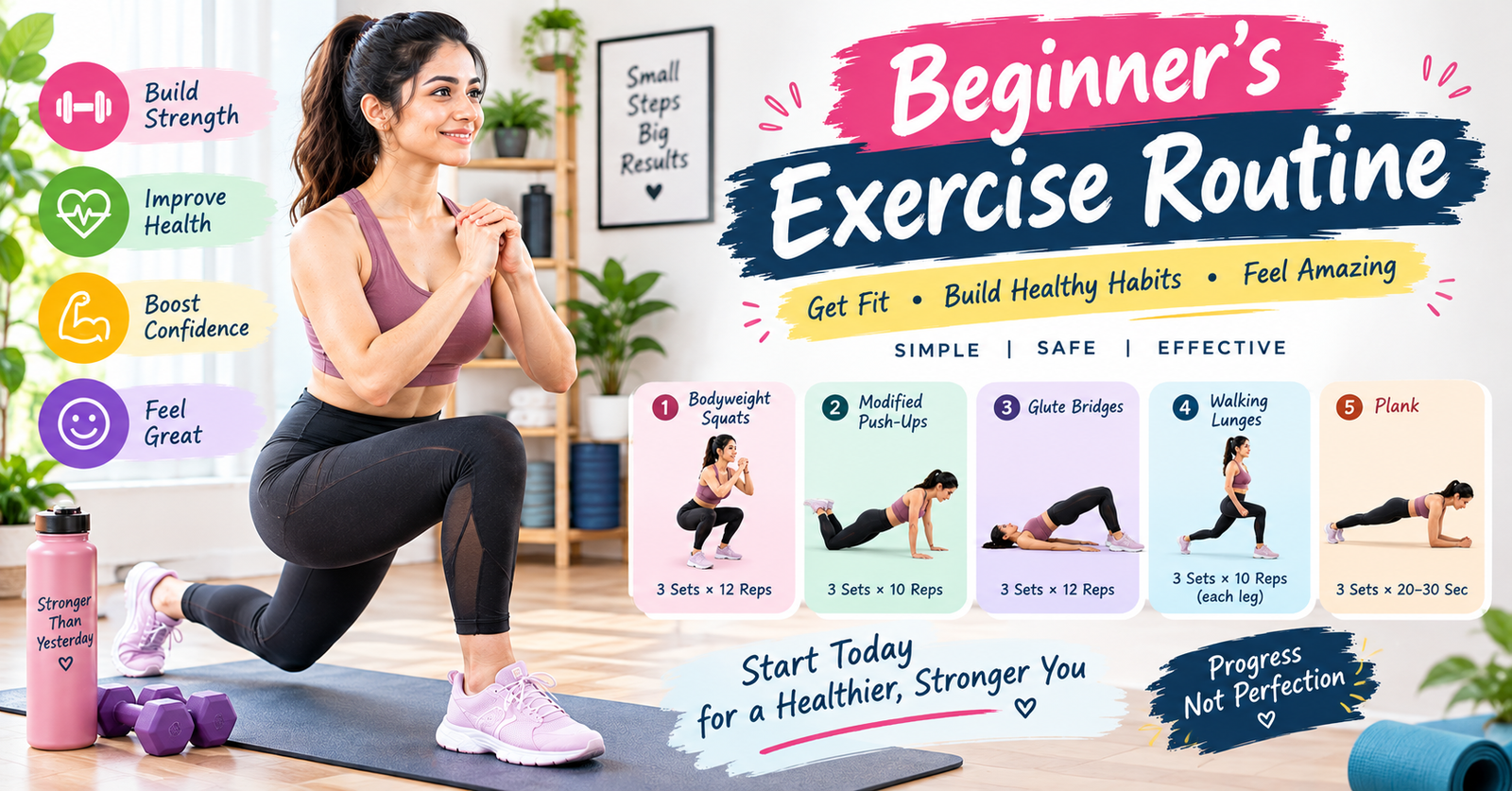
- Three strength based sessions using bodyweight, resistance bands, or dumbbells
- Two moderate intensity cardio sessions such as brisk walking or cycling
- Daily movement outside of workouts, like a short walk after meals
- At least one or two full rest days to support recovery and manage stress
Overtraining without adequate recovery can sometimes worsen hormonal symptoms, which is why balance matters just as much as consistency in a PCOS specific routine.
Common Mistakes Women With PCOS Make
Frustration with slow progress often leads women toward approaches that make PCOS symptoms worse rather than better.
- Following extremely low calorie diets, which can increase stress hormones and worsen symptoms
- Relying only on cardio while skipping strength training entirely
- Comparing progress to friends without PCOS, which sets unrealistic expectations
- Ignoring sleep and stress management, both of which significantly affect hormone balance
- Giving up after a few weeks without seeing the rapid results a standard plan might promise
Avoiding these patterns and adjusting expectations around a slower, steadier timeline usually leads to better long term outcomes.
The Role of Sleep and Stress in PCOS Management
Diet and exercise are essential, but sleep and stress levels also play a significant role in how PCOS symptoms present and respond to treatment.
A few lifestyle habits can meaningfully support hormonal balance alongside diet and exercise.
- Aiming for consistent, adequate sleep most nights of the week
- Managing daily stress through walking, prayer, or other calming routines
- Avoiding excessive caffeine, which can worsen anxiety and blood sugar swings
- Building a predictable daily routine that supports more stable hormone levels
Chronic stress and poor sleep both elevate cortisol, which can work against progress even when diet and exercise are otherwise well managed.
Setting Realistic Expectations for Progress
Weight loss with PCOS often happens more slowly than standard timelines suggest, and understanding this in advance helps prevent discouragement.
A few realistic markers to track progress by include the following.
- Improved energy levels within the first few weeks, often before visible weight change
- More regular cycles over time as insulin sensitivity improves
- Gradual, steady loss over months rather than a fast initial drop
- Reduced cravings and more stable hunger as blood sugar stabilizes
These markers often appear before significant scale movement, and recognizing them helps maintain motivation during the slower early phase of a PCOS specific plan.
Building a Guided Plan Around Your Specific Case
PCOS presents differently from woman to woman, which means a generic plan found online rarely accounts for your specific symptoms, insulin levels, or lifestyle.
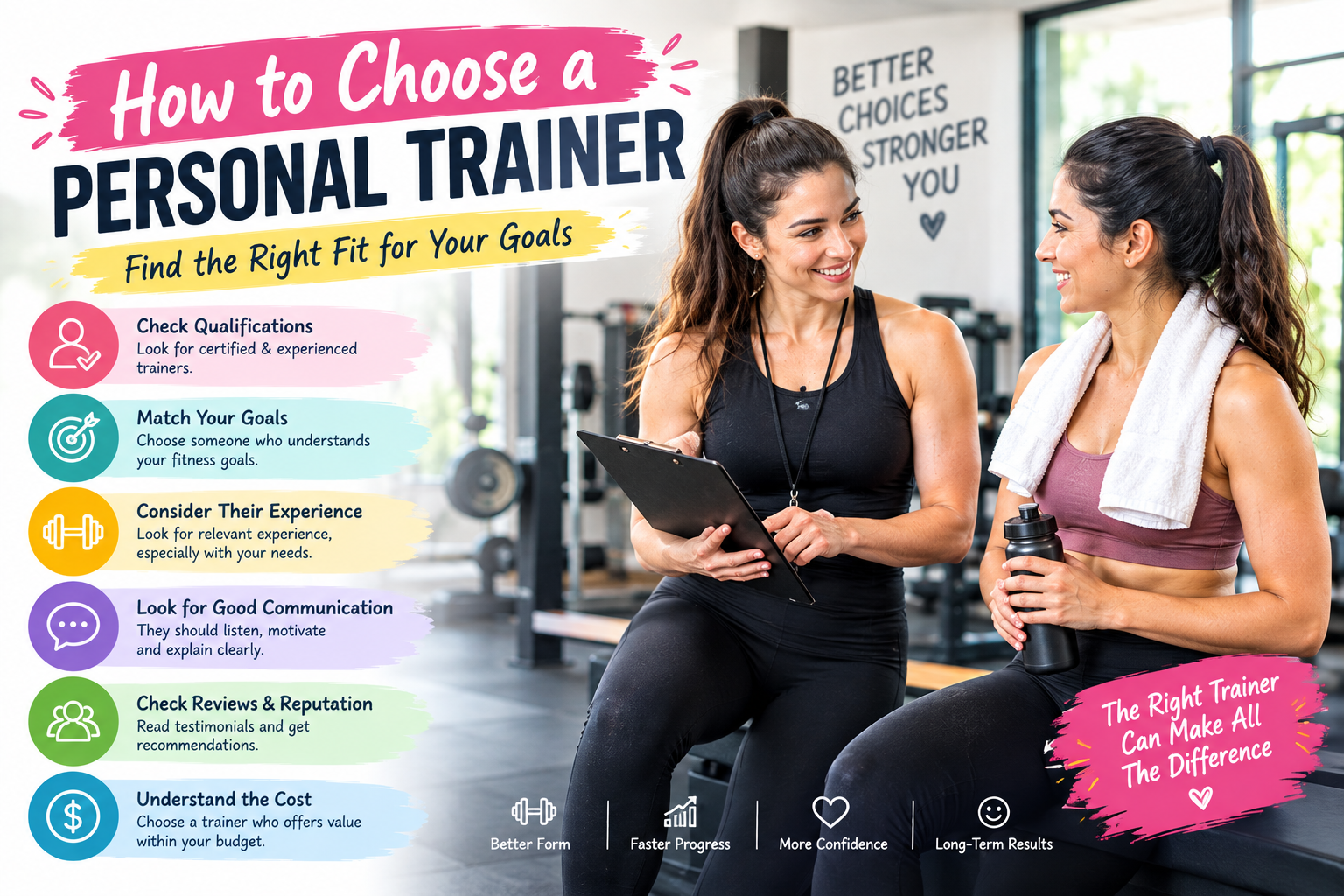
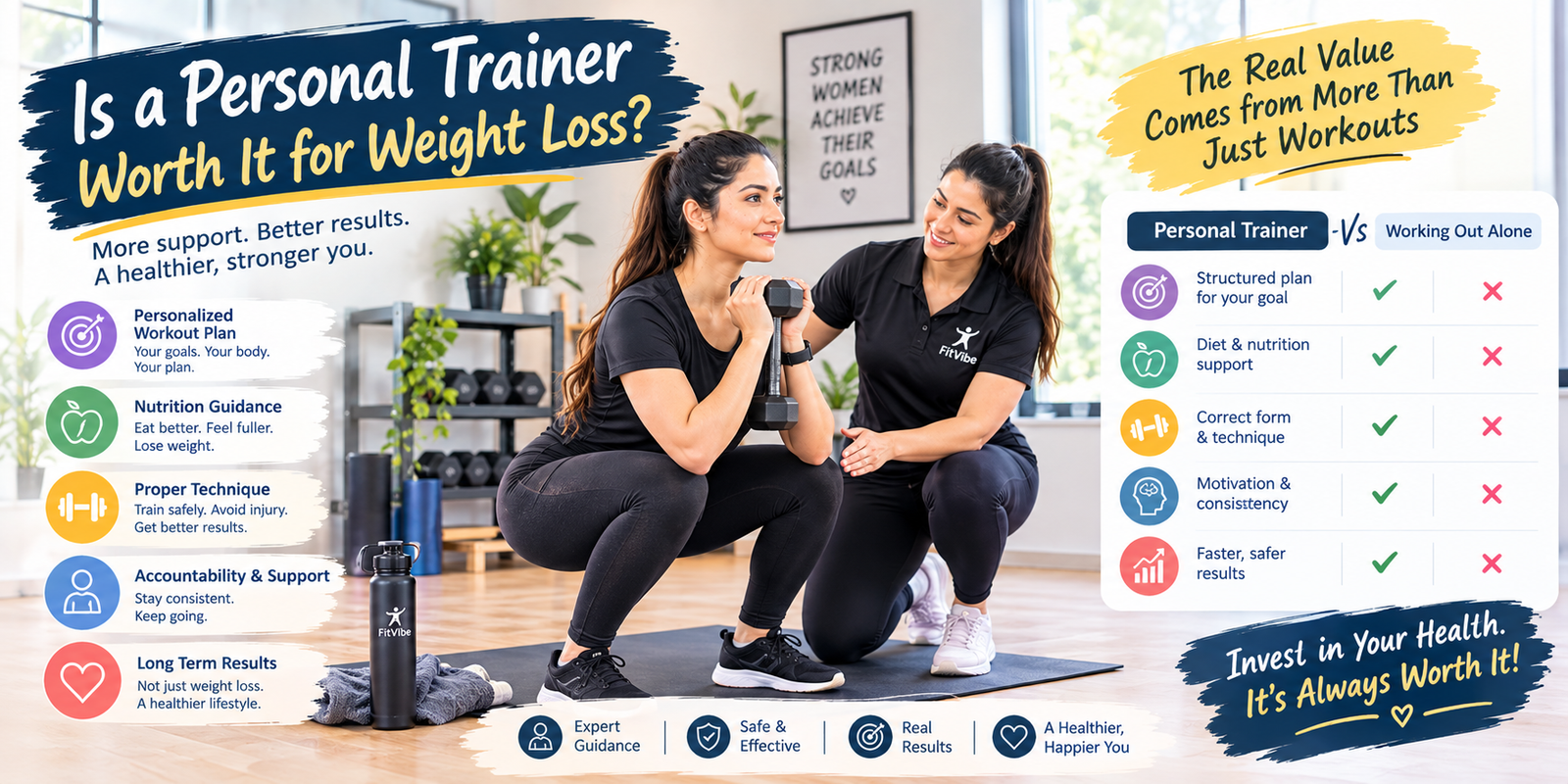
A trainer familiar with PCOS can build a plan that works alongside your doctor's guidance, adjusting training intensity and nutrition based on how your body responds over time. You can book a free discovery call to discuss your specific situation and start building a plan suited to your PCOS management goals.
Frequently Asked Questions
Why is it harder to lose weight with PCOS
Insulin resistance associated with PCOS makes the body store fat more easily and can slow metabolism, which is why weight loss with PCOS often requires a different, more patient approach than a standard plan.
What is the best exercise for PCOS weight loss
Strength training is particularly valuable for PCOS since building muscle improves how the body uses blood sugar, and combining it with moderate cardio and daily movement offers the most balanced overall approach.
Should I see a doctor before starting a PCOS weight loss plan
Yes. A doctor can confirm the diagnosis, check related hormonal and metabolic markers, and advise on any medication that may be needed alongside a diet and exercise plan.
How long does it take to see results with PCOS
Progress with PCOS often takes longer than standard weight loss timelines, with many women noticing improved energy and more regular cycles within a few months before significant scale changes appear.
Can diet alone manage PCOS symptoms
Diet plays a significant role, but it typically works best combined with regular strength training, stress management, adequate sleep, and appropriate medical guidance rather than being relied on in isolation.
Final Thoughts
A PCOS weight loss plan for women in Pakistan works best when it addresses the hormonal reality of the condition rather than following a generic approach built for someone without it. Prioritizing strength training, blood sugar stable meals, stress management, and medical guidance together tends to produce steadier, more lasting progress than chasing fast results. Building a plan with professional support makes that slower, more sustainable path far easier to follow with confidence.
Ready to put this into action?
Train 1-on-1 or in a group with Amna — your first discovery call is completely free. Female-only, fully online, results you can see.
Book My Free Call on WhatsApp →