If you want the short answer, here it is. You can lose weight at home in Pakistan through a structured mix of bodyweight exercises, a portion-controlled desi diet, daily walking, and consistent sleep, without ever stepping into a gym. What actually determines results is consistency and calorie balance, not the location where you train.
For most women in Pakistan, a gym membership isn't always practical. Between limited women-only gym options outside major cities, transport issues, household responsibilities, and cultural comfort levels, home workouts often aren't a backup plan, they're the main plan. The good news is that home-based weight loss works just as well as gym-based weight loss when it's structured properly.
Why Home Based Weight Loss Works Just as Well
A lot of women assume a gym is required to see real results, but the research and real-world outcomes say otherwise.
Fat loss comes down to a sustained calorie deficit combined with enough resistance training to preserve muscle. Neither of those requires a gym membership. A rooftop, a lawn, or even a bedroom with two square metres of floor space is enough for a full workout using just bodyweight and household items like water bottles or a dupatta as a resistance band. What matters more than equipment is progressive difficulty, meaning your body needs a slightly harder challenge every couple of weeks to keep responding.
Reasons home workouts succeed for many Pakistani women:
- No commute time, which makes daily consistency easier to maintain
- No membership cost, removing a common financial barrier
- Privacy and comfort, especially important where women-only gyms aren't accessible
- Flexibility to train early morning or late evening around household routines
- Easier to involve the whole family, including daughters or sisters
Building a Home Workout Routine That Actually Burns Fat
A routine only works if it progressively challenges your body, so random ten-minute videos on social media rarely produce lasting change.
A well-structured home program combines strength work, which preserves and builds muscle, with cardio-style movement, which burns calories and improves heart health. Doing only cardio, like endless walking or jumping jacks, without any strength component often leads to muscle loss alongside fat loss, which slows metabolism over time. The most effective home setup rotates between these two types of training across the week rather than repeating the same routine daily.
A simple weekly structure that works for beginners:
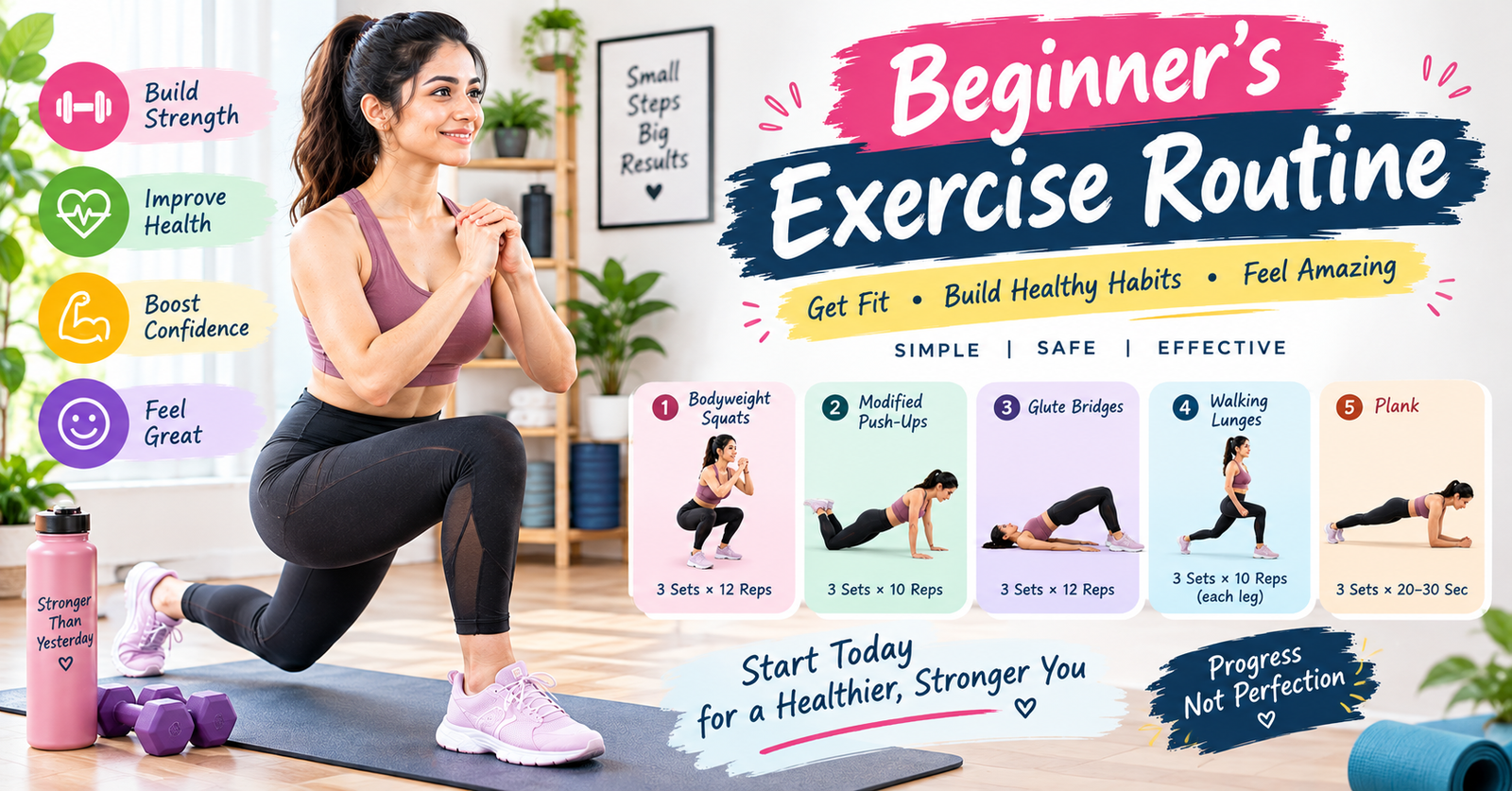
- Two to three days of full-body bodyweight strength training, including squats, push-ups, lunges, and planks
- Two days of brisk walking or stair climbing for thirty to forty minutes
- One day of light stretching or yoga for recovery and flexibility
- One rest day to allow muscles to repair and prevent burnout
- Gradually increasing reps or resistance every two weeks to keep progressing
Structuring Meals Around a Home Workout Schedule
Exercise alone rarely produces significant weight loss without matching dietary changes, especially in a food culture built around roti, rice, and rich curries.
The goal isn't to eliminate traditional food but to adjust portions and add protein so your body has what it needs to recover from workouts while staying in a calorie deficit. A woman doing strength training at home needs slightly more protein than someone who is sedentary, since muscle repair depends on it. Daal, eggs, chicken, and paneer are all accessible, affordable protein sources already common in most Pakistani kitchens.
Practical meal adjustments that support home-based fat loss:
- Eating a protein source with every meal, not just dinner
- Limiting fried snacks like pakoras and samosas to occasional treats rather than daily habits
- Reducing oil in curries to one or two tablespoons instead of a free pour
- Drinking water consistently through the day instead of relying on chai for energy
- Timing a light protein snack, such as boiled eggs or yogurt, around thirty minutes after workouts
Common Mistakes That Stall Progress at Home
Many women start strong but plateau within a few weeks, usually because of a handful of avoidable mistakes rather than a lack of effort.
Doing the exact same workout video every single day without increasing difficulty is one of the most common issues, since the body adapts quickly and stops responding. Another frequent mistake is treating exercise as a licence to eat more, which quietly cancels out the calorie deficit created by training. Weight loss at home also stalls when sleep is inconsistent, since poor sleep raises cortisol and increases cravings the next day.
Mistakes worth correcting early:
- Repeating the identical routine for months without progression
- Skipping strength training entirely in favour of cardio only
- Overestimating calories burned and eating extra food to compensate
- Expecting visible results within the first two weeks
- Ignoring sleep and stress, both of which directly affect fat loss
Working With PCOS or Thyroid Conditions at Home
A significant number of Pakistani women dealing with stubborn weight also have an underlying hormonal factor that changes how the plan should be built.
PCOS and hypothyroidism both slow metabolism and increase insulin resistance, meaning a standard calorie deficit sometimes isn't enough on its own. Prioritising strength training over long cardio sessions, choosing lower glycemic index foods, and getting proper medical evaluation tend to produce better outcomes than diet and exercise alone. Home workouts remain effective for these conditions, but the diet side usually needs closer attention to carbohydrate quality rather than just quantity.
Signs a hormonal factor may be involved include irregular periods, fatigue that doesn't improve with rest, weight gain concentrated around the abdomen, and difficulty losing weight despite consistent effort. A simple blood test before starting can save months of frustration with the wrong approach.
When Home Workouts Aren't Enough on Their Own
Home-based training works for the vast majority of women, but there are situations where outside guidance changes the outcome significantly.
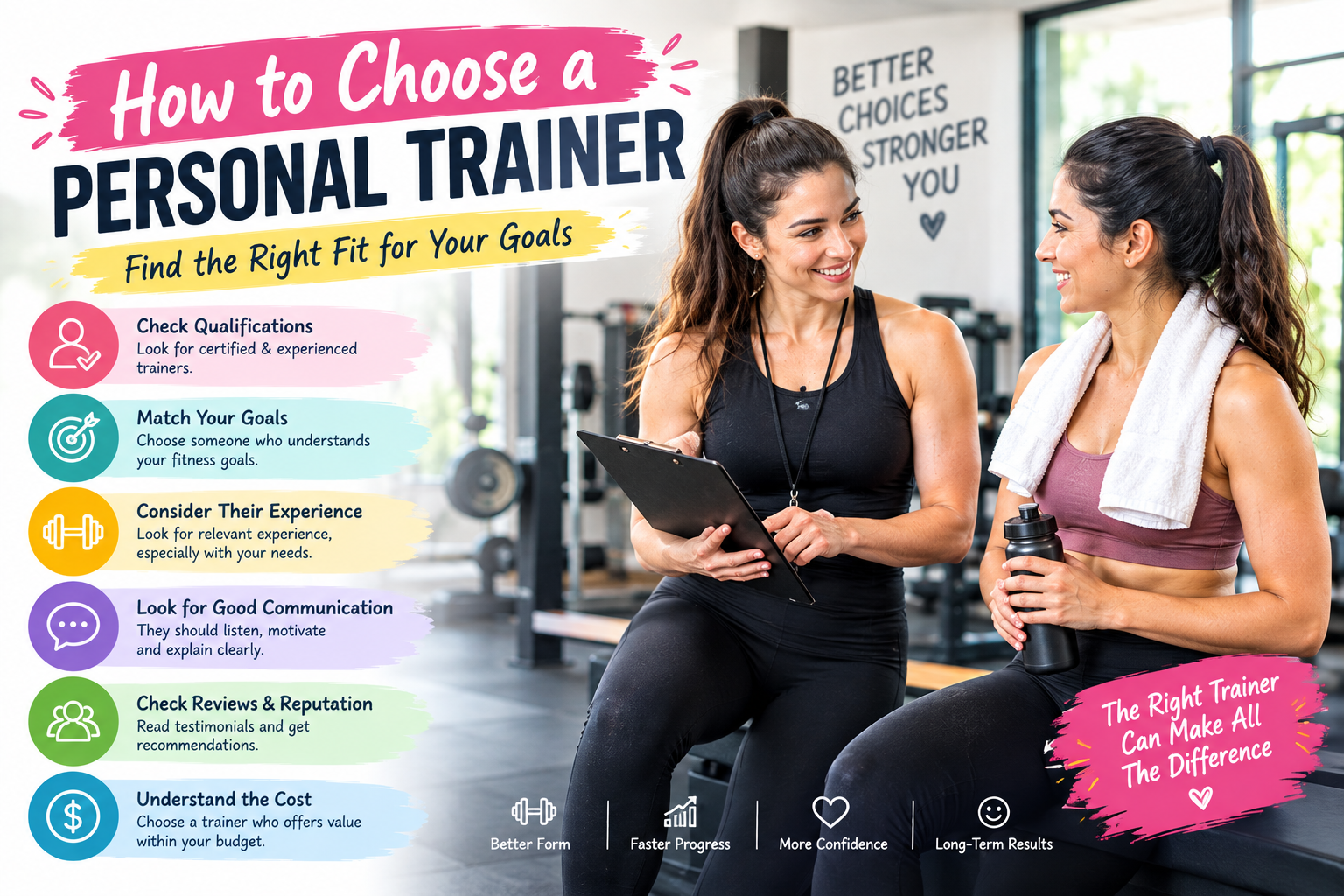
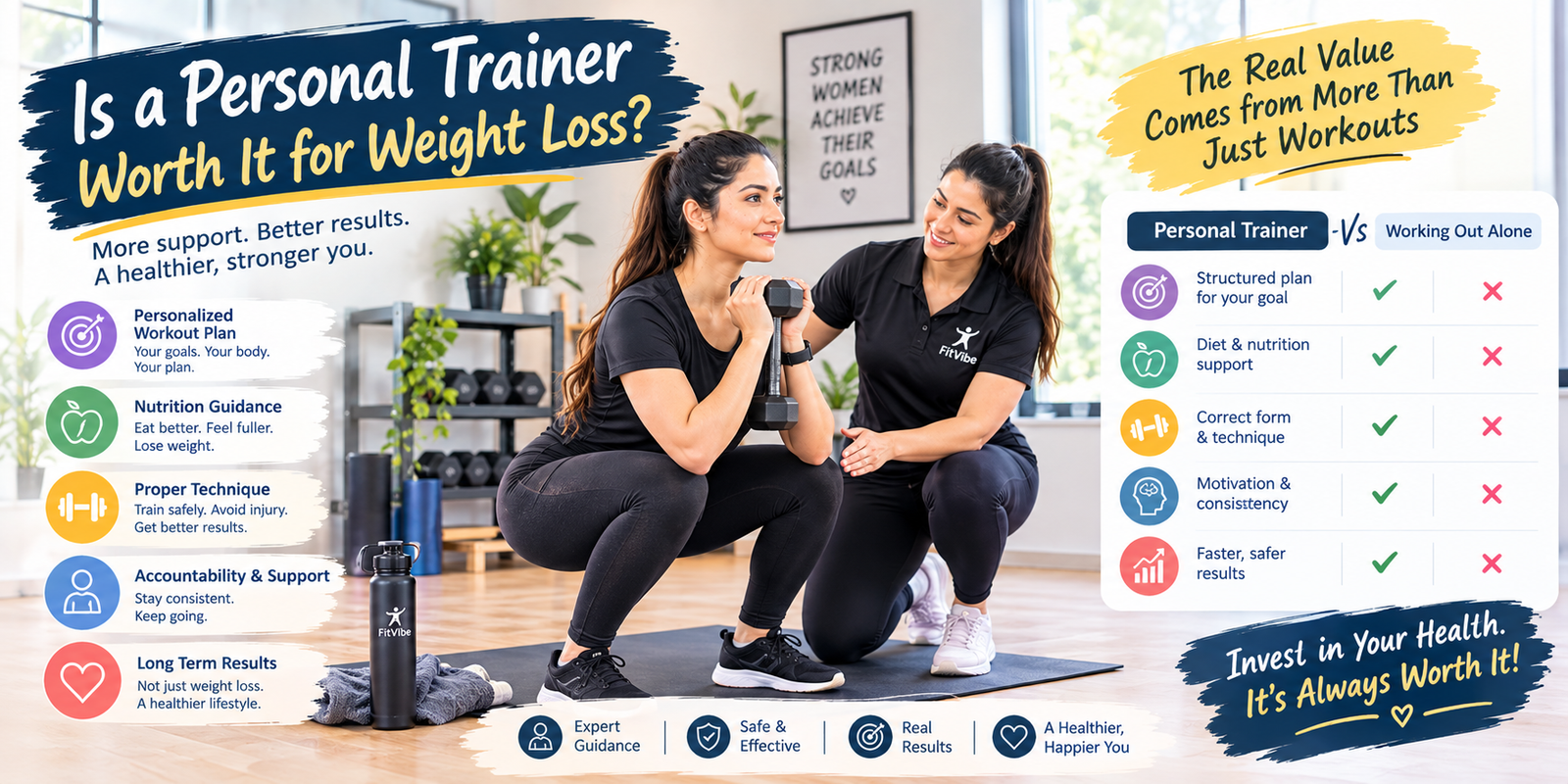
If progress has stalled for more than a month despite consistency, if there's a diagnosed medical condition affecting metabolism, or if motivation and accountability are the real barrier rather than knowledge, working with a certified personal trainer can help. A qualified female personal trainer in Lahore or another major city can build a structured program around your specific body, schedule, and any medical history, whether that training happens in person or is guided remotely for a home setup. The value isn't just the workout plan itself, it's having someone adjust it as your body changes and hold you accountable when motivation dips.
Staying Consistent When Motivation Runs Out
Motivation naturally fades after the first few weeks, which is exactly when most home fitness attempts fall apart.
Building a routine around a fixed time of day, rather than waiting to feel motivated, removes the daily decision-making that often leads to skipped sessions. Tracking progress through photos, measurements, or how clothes fit tends to sustain motivation better than the scale alone, since water retention and muscle gain can mask fat loss on a daily weigh-in. Involving a friend, sister, or workout partner for accountability also significantly improves long-term adherence compared to training alone.
Frequently Asked Questions
Can I really lose weight at home without any gym equipment
Yes. Bodyweight exercises like squats, push-ups, lunges, and planks, combined with a calorie-controlled diet, can produce meaningful fat loss without any equipment. Progression matters more than equipment, so gradually increasing reps or difficulty every couple of weeks is essential.
How long does it take to see results from home workouts
Most women start noticing changes in energy and how clothes fit within three to four weeks, while visible fat loss typically becomes noticeable around six to eight weeks with consistent effort. Scale weight can fluctuate earlier due to water retention, so it isn't the most reliable early indicator.
What is the best home workout schedule for beginners in Pakistan
A beginner-friendly structure includes two to three days of full-body strength training, two days of brisk walking, one day of light stretching, and one rest day each week. This balance builds strength while allowing enough recovery to avoid burnout.
Do I need a personal trainer if I'm working out at home
Not necessarily, but a personal trainer becomes valuable if progress stalls, if you have a medical condition like PCOS or thyroid issues, or if you struggle with consistency and accountability on your own. Many trainers in cities like Lahore now offer remote guidance specifically designed for home workout setups.
Is walking enough to lose weight at home
Walking supports calorie burn and cardiovascular health, but pairing it with strength training produces better long-term results by preserving muscle mass, which keeps metabolism higher. Walking alone can still produce weight loss, but progress tends to plateau faster without any resistance training.
What foods should I avoid while trying to lose weight at home in Pakistan
There's no need to eliminate traditional foods entirely, but reducing fried snacks, excess oil in curries, and sugary drinks makes the biggest difference. Focusing on portion control and adding protein to each meal matters more than cutting out roti or rice completely.
Ready to put this into action?
Train 1-on-1 or in a group with Amna — your first discovery call is completely free. Female-only, fully online, results you can see.
Book My Free Call on WhatsApp →