If you want the short answer first, here it is. Arranging fitness or rehabilitation training for aging parents in Pakistan while living abroad usually means booking a qualified in home trainer who can assess mobility and health history directly, build a gentle progressive plan, and keep you updated remotely through regular photos, videos, or brief calls so you can stay involved despite the distance. Fit Vibe Trainer works with families abroad to arrange safe, in home sessions for mothers and elderly family members in Lahore, keeping children overseas informed every step of the way.
One of the harder parts of living abroad is not being physically present when a parent needs support with mobility, recovery, or simply staying active as they age. Many adult children want to help but do not know how to arrange reliable, professional support from thousands of miles away. This guide walks through exactly how remote coordination works, what to look for in a trainer, and how to stay involved in your parent's care even from another country.
Why This Need Has Become So Common
More families across Pakistan have adult children living abroad, and coordinating care for aging parents from a distance has become a shared challenge for many households.
A few situations come up repeatedly among families dealing with this.
- A parent recovering from a fall, surgery, or a joint replacement needs supervised movement
- Age related muscle loss and balance issues increase the risk of future falls
- Chronic conditions like arthritis or back pain benefit from consistent, gentle exercise
- Household staff or siblings nearby are willing to help but are not trained to guide exercise safely
Recognizing which of these applies to your specific situation helps clarify what kind of trainer or rehab support actually makes sense to arrange.
What In Home Training Looks Like for Elderly Parents
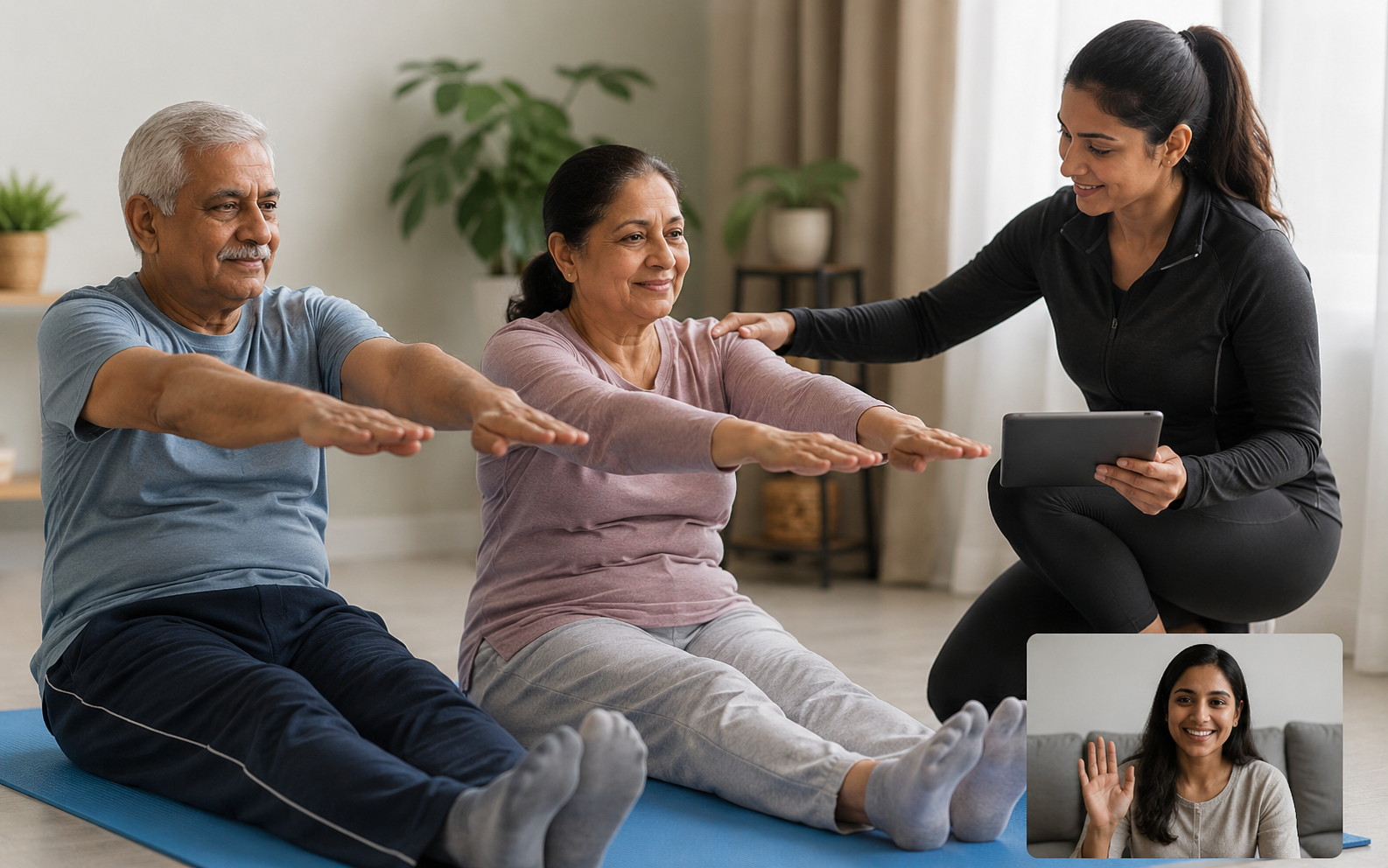
In home sessions for elderly clients look very different from a typical fitness program built for a younger, more active adult.
A well structured senior focused session usually includes the following elements.
- A gentle warm up focused on joint mobility rather than intense cardio
- Balance and stability exercises to reduce fall risk
- Light strengthening movements adjusted for existing joint or mobility limitations
- A calm, unhurried pace that respects energy levels and any medical restrictions
The goal is rarely dramatic transformation. It is steady, safe improvement in strength, balance, and daily function that supports independence and quality of life.
How to Arrange Sessions From Abroad
Coordinating care remotely feels overwhelming at first, but the process is usually more straightforward than most people expect once a few steps are in place.
A typical remote arrangement follows this general process.
- An initial phone or video consultation involving both you and your parent, if possible
- A home visit assessment covering mobility, medical history, and any existing conditions
- Agreement on a session schedule that works with household routines
- A simple system for updates, such as occasional photos, short videos, or brief progress notes
Being included in the initial consultation call, even from abroad, helps you understand the plan directly rather than relying only on secondhand updates from family members at home.
What Qualifications Matter Most for Senior Training
Training an elderly parent safely requires a different skill set than working with a younger, generally healthy client, so qualifications should be checked carefully.
Here is what to specifically ask about before booking.
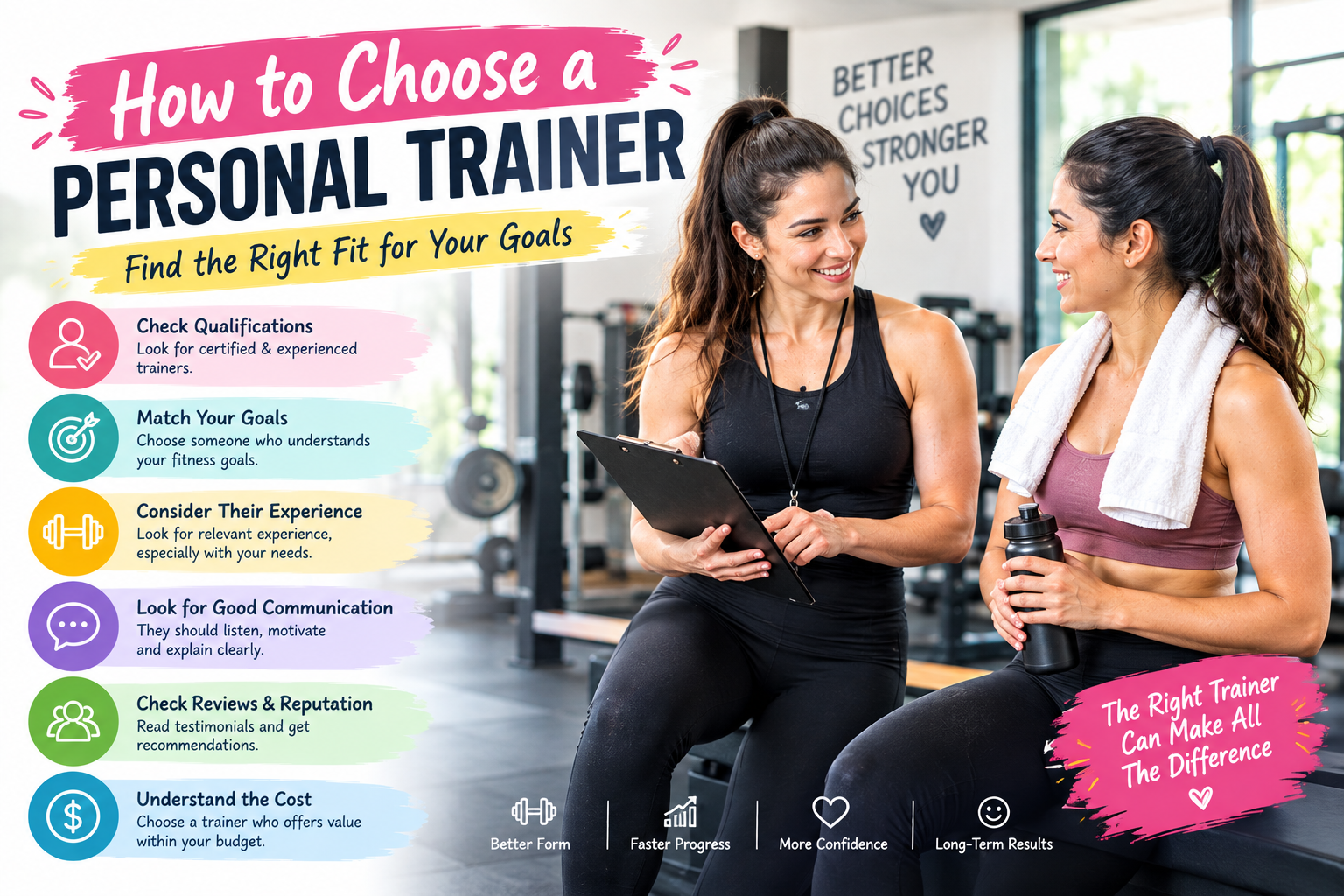
- Certification from a recognized body such as ACE (American Council on Exercise)
- Specific experience working with older clients or post surgical rehabilitation
- Willingness to coordinate with a physiotherapist or doctor if one is already involved
- A calm, patient approach that adjusts pace based on how the client feels each day
A trainer without relevant senior specific experience may unintentionally push too hard or miss important safety cues, which is why this verification step matters more here than in most other fitness contexts.
Common Health Concerns That Shape the Training Plan
Several common conditions among older adults directly influence how a safe and effective plan should be structured.
- Osteoporosis, which requires careful attention to movement and impact levels
- Arthritis, which often benefits from gentle, consistent movement rather than rest
- Post surgical recovery, particularly after hip or knee replacement procedures
- General deconditioning after a long period of inactivity or illness
A trainer should always coordinate with your parent's doctor before starting any program if a specific medical condition or recent surgery is involved, ensuring the exercise plan supports rather than interferes with ongoing medical care.
Staying Involved While Living Abroad
Physical distance does not have to mean being disconnected from your parent's care, and staying involved is usually possible with a few simple systems in place.
A few practical ways to stay engaged include the following.
- Joining the initial consultation call directly, even from a different time zone
- Requesting periodic short videos of sessions to see progress firsthand
- Setting a simple monthly check in call with the trainer to review overall progress
- Encouraging your parent to share how sessions feel, not just how they look on paper
These small habits help you remain a genuine part of the process rather than simply funding it from a distance.
Addressing Posture and Mobility Issues Common in Older Adults
Many elderly parents deal with posture related discomfort from years of habit, previous injuries, or simply reduced core strength over time.
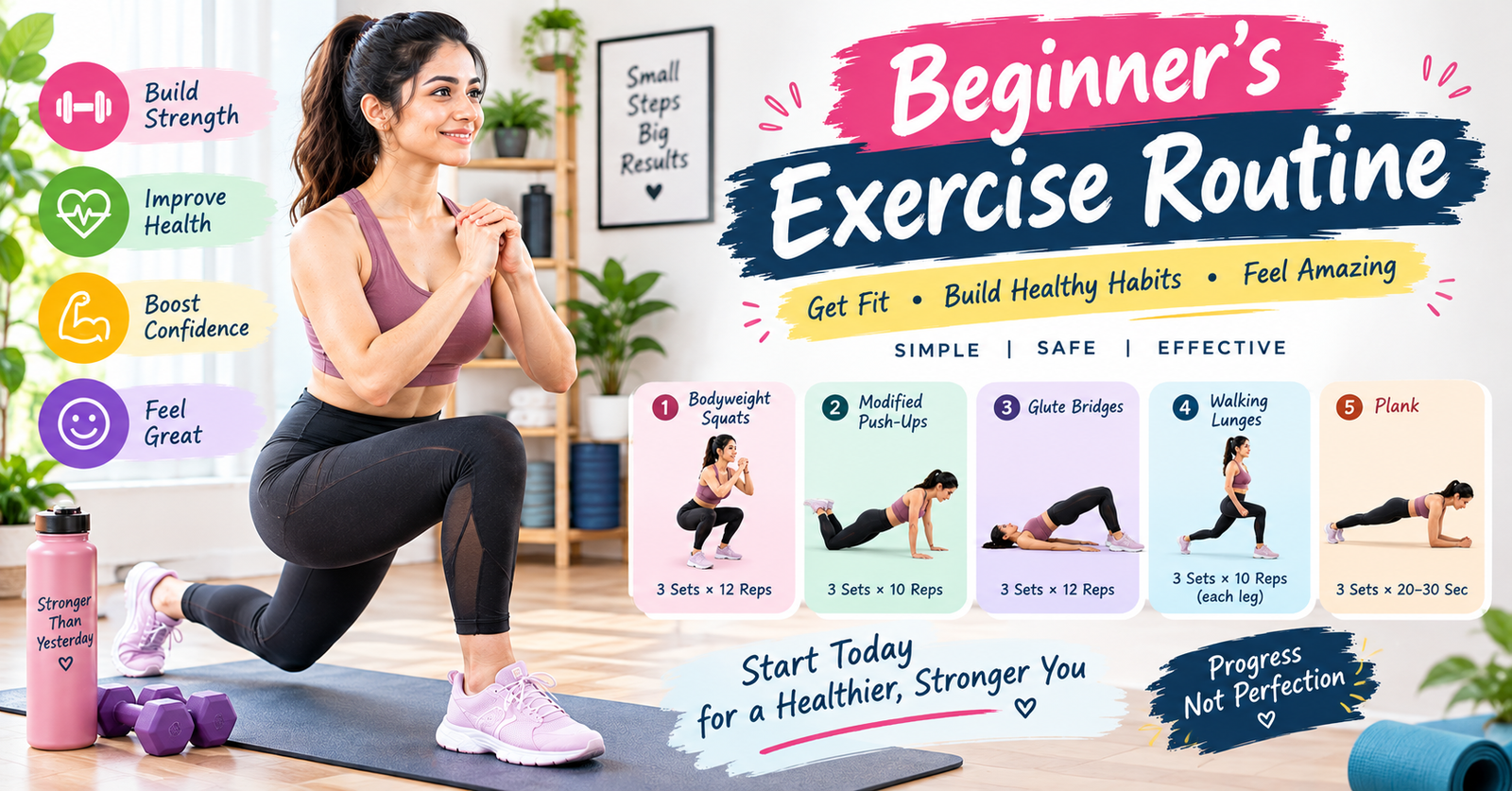
A trainer experienced with older clients will incorporate gentle posture and mobility work directly into sessions, adjusted for what is comfortable and safe. A closer look at common postural issues and corrective approaches, which can be adapted for a slower, gentler pace with older clients, is covered in this guide on posture correction and rehabilitation exercises.
Common Mistakes Families Make When Arranging Care Remotely
Certain decisions made with good intentions can unintentionally reduce the effectiveness or safety of a remote care arrangement.
- Booking a general trainer without confirming senior specific experience
- Skipping the initial consultation call and relying only on secondhand information
- Ignoring existing medical conditions when discussing the plan with the trainer
- Expecting fast physical changes rather than gradual, sustainable improvement
- Assuming distance means you cannot stay meaningfully involved in the process
Avoiding these mistakes usually leads to a safer, more effective arrangement that genuinely benefits your parent.
How This Fits Alongside Household Support in Lahore
Many families already have household help or a driver available to assist with logistics, and coordinating around this existing support usually makes the arrangement smoother.
A trainer familiar with working within a household setting can coordinate scheduling directly with staff or family members present locally, reducing the coordination burden on you from abroad. This structure is similar to how home personal training for women already operates for younger clients in Lahore, simply adapted for a slower pace and senior specific considerations.
Getting Started With a Consultation
Starting this process is usually simpler than it feels from a distance, and a single conversation can clarify exactly what a safe, appropriate plan would look like for your parent.
A free discovery call allows you to discuss your parent's health history, mobility level, and any existing medical guidance before committing to a schedule. You can book a free discovery call to start arranging safe, professional support for your parent in Lahore while you are living abroad.
Frequently Asked Questions
Can I arrange fitness training for my parent in Pakistan while living abroad
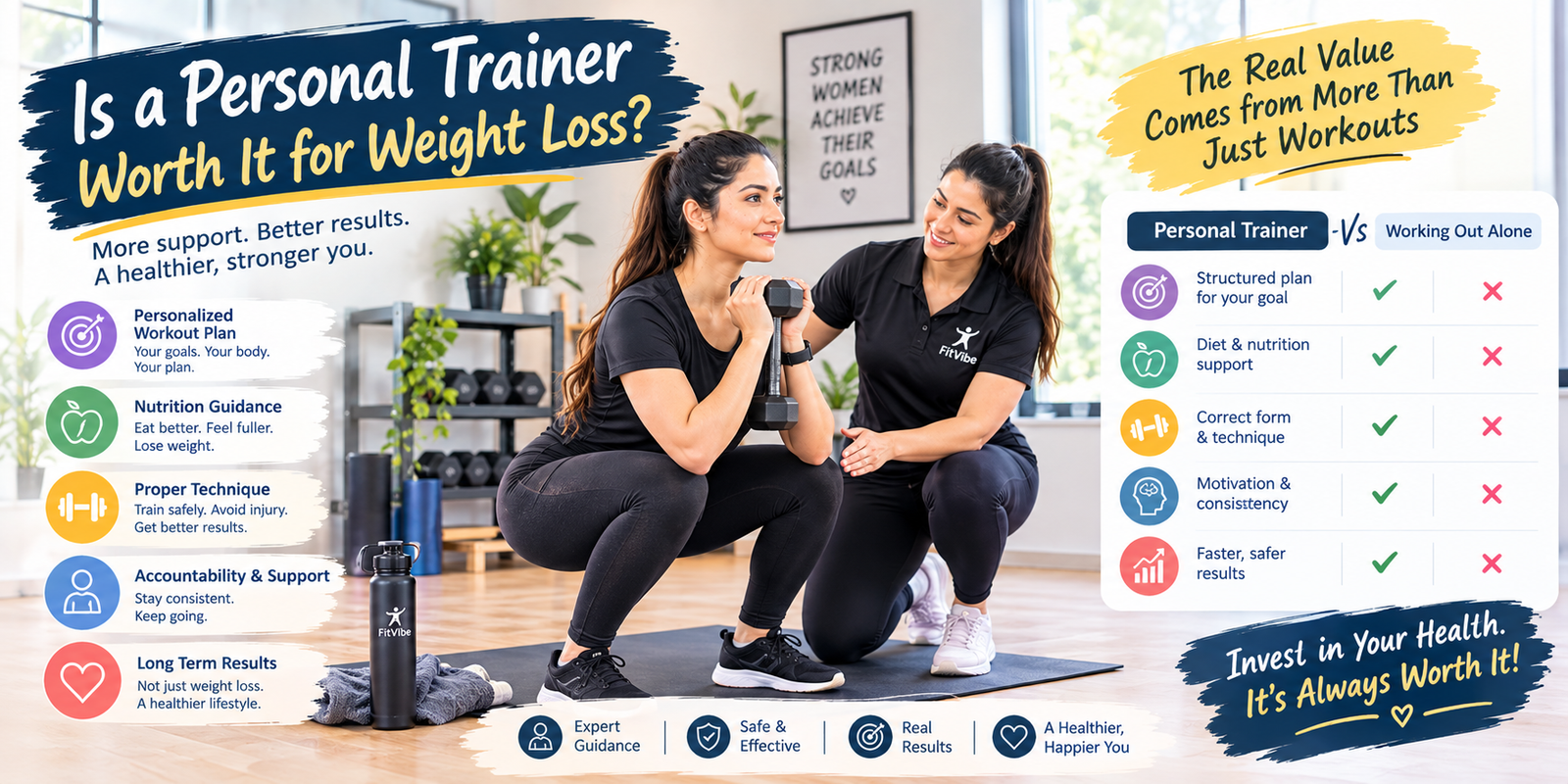
Yes. Many trainers coordinate directly with family members abroad through video consultations and regular progress updates, allowing you to stay involved in your parent's care despite the distance.
Is in home training safe for elderly parents with joint issues
Yes, when the trainer has specific experience with older clients and coordinates with any existing medical guidance, adjusting exercises to protect joints while still building strength and mobility safely.
How do I know if a trainer is qualified to work with seniors
Look for certification from a recognized body such as ACE, along with specific experience working with older clients or post surgical rehabilitation, rather than general fitness experience alone.
Should the trainer coordinate with my parent's doctor
Yes, especially if a specific medical condition, recent surgery, or ongoing treatment is involved, since the exercise plan should support rather than interfere with existing medical care.
How can I stay updated on my parent's progress from abroad
Requesting periodic videos, joining the initial consultation call, and setting up a simple monthly check in with the trainer are practical ways to stay genuinely involved despite living in a different country.
Final Thoughts
Arranging fitness and rehabilitation training for an aging parent in Pakistan while living abroad is entirely possible with the right trainer and a few simple communication systems in place. The focus should always be on safe, gradual progress that respects your parent's health history and pace, not dramatic transformation. Starting with a thoughtful consultation call is the simplest way to build a plan that gives you peace of mind, even from a distance.
Ready to put this into action?
Train 1-on-1 or in a group with Amna — your first discovery call is completely free. Female-only, fully online, results you can see.
Book My Free Call on WhatsApp →