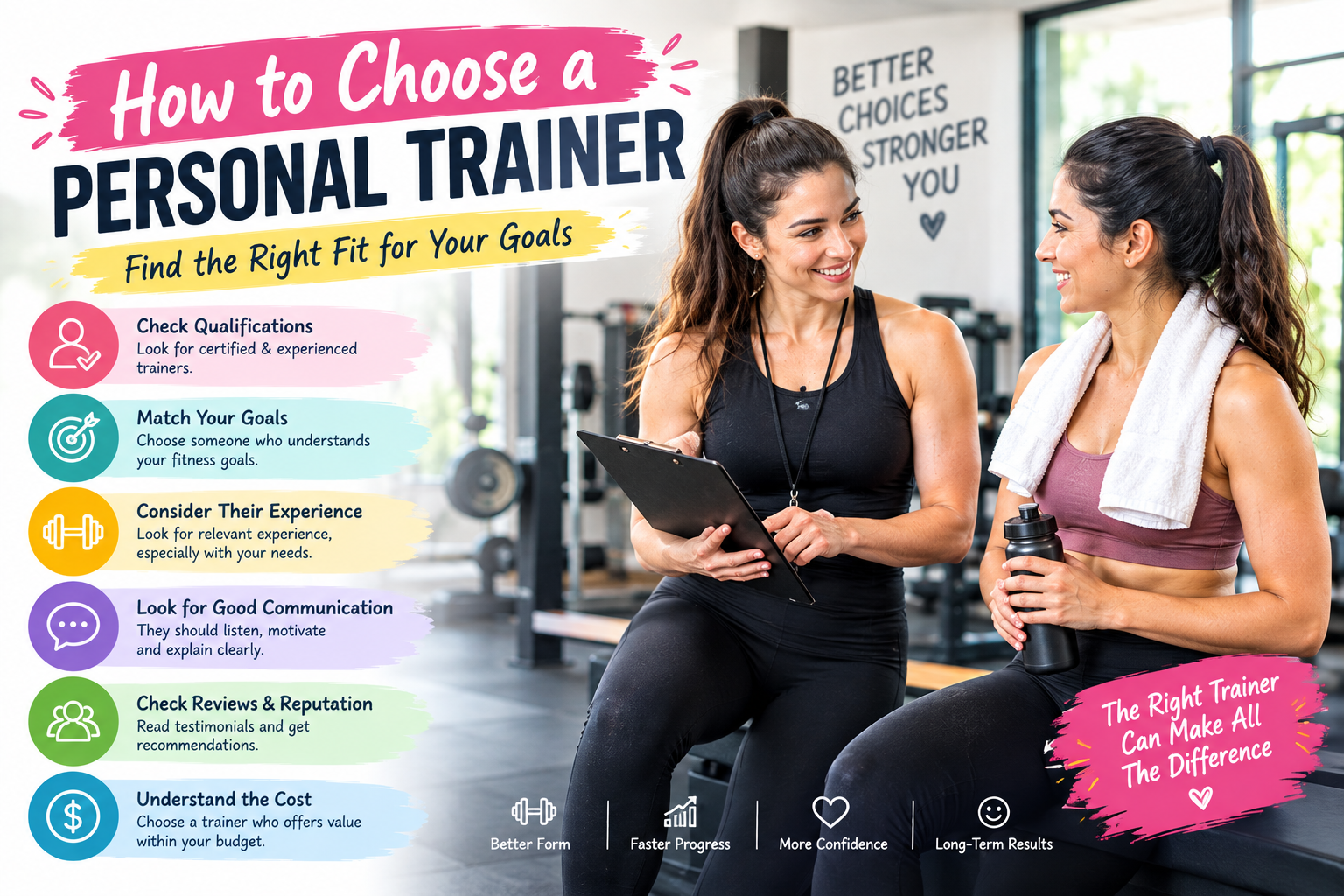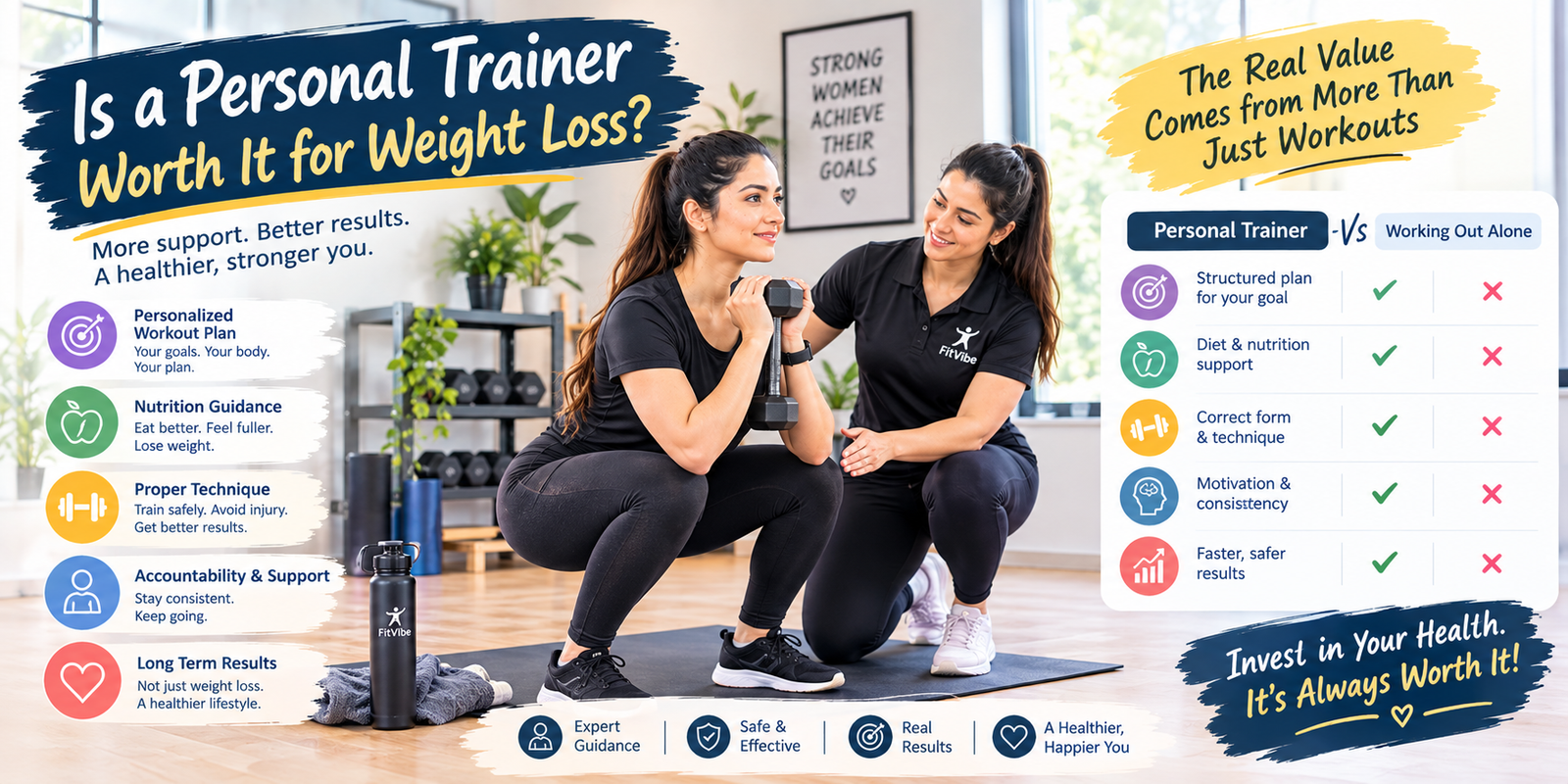
Weight loss for women is not the same as weight loss for men. It never was, and it never will be. Yet most fitness advice in Pakistan whether from YouTube, social media, or even local trainers is built on research and strategies designed for men.
The result? Pakistani women struggle through restrictive diets, punishing workouts, and confusing contradictions, only to find themselves yo yo dieting for years with minimal lasting results.
This guide is different. Written by Amna Saleem, the best female fitness trainer in Lahore and founder of FitVibe Trainer, this is a complete, honest, Pakistan specific guide to sustainable weight loss for women backed by science, rooted in real experience, and built for real Pakistani women.
Why Weight Loss for Women Is Different, The Science Explained
Before discussing any strategy, you need to understand why women's weight loss works differently than men's. This is not an excuse it is biology, and ignoring it is the number one reason most weight loss attempts fail.
Hormonal Differences
Women have significantly more oestrogen than men, which affects fat storage patterns. Women naturally carry more body fat particularly around the hips, thighs, and lower abdomen as an evolutionary survival mechanism. This fat is also more resistant to mobilisation, especially during hormonal fluctuations.
Menstrual Cycle Impact
A woman's metabolism, energy levels, appetite, and strength shift significantly across the four phases of her menstrual cycle. A weight loss plan that ignores this will always feel like an uphill battle. A plan built around it becomes surprisingly natural and effective.
Slower Baseline Metabolism
Women generally have less muscle mass than men, which means a naturally lower basal metabolic rate. This is why calorie intake needs to be calibrated differently, and why muscle building exercise is so critical for long term fat loss in women.
PCOS, Thyroid and Insulin Resistance in Pakistani Women
Pakistan has one of the highest rates of PCOS and thyroid disorders in the region, both of which cause significant hormonal disruptions that make weight loss harder. Any effective weight loss plan for Pakistani women must account for this reality.
Important: If you have PCOS, hypothyroidism, or insulin resistance, please consult a doctor alongside your fitness trainer. Amna Saleem works with clients managing these conditions and adapts all plans accordingly.
The Biggest Weight Loss Myths Holding Pakistani Women Back
Before you can move forward, you need to unlearn some things. These myths are everywhere in Pakistan, and they are costing women their results.
Myth: Roti aur chawal chorna hoga you must give up bread and rice completely.
Fact: Carbohydrates are not the enemy. Portion control and food quality matter far more than eliminating entire food groups.
Myth: Cardio is the best way to lose weight run every day and you will get slim.
Fact: Strength training is more effective for long term fat loss because it builds muscle which burns more calories at rest, even around the clock.
Myth: Eating less is always better extreme calorie restriction loses weight fastest.
Fact: Severe restriction slows your metabolism, causes muscle loss, and almost always leads to rebound weight gain. Sustainable deficits win every time.
Myth: Lifting weights will make a woman look bulky and masculine.
Fact: Women do not have enough testosterone to bulk up the way men do. Strength training creates a lean, toned appearance that most women actually want.
Amna Saleem's Proven 6 Step Weight Loss Framework for Women in Pakistan
After coaching hundreds of Pakistani women to sustainable weight loss, Amna Saleem the best female fitness trainer in Lahore has distilled her approach into a six step framework that works even within the demands of Pakistani family life, desi food culture, and local lifestyle realities.
Step 1: Set a Clear, Realistic Goal
Stop chasing "I want to lose weight" that is too vague to act on. Set a specific, time bound target such as "I want to lose 6 kg in 3 months." This creates a clear calorie and training roadmap. Amna uses a body composition assessment at the start of every coaching relationship to set accurate, achievable benchmarks.
Step 2: Build a Sustainable Calorie Deficit
Weight loss requires consuming fewer calories than you expend but the deficit must be sustainable. For most Pakistani women, a deficit of 300 to 500 calories per day produces steady, consistent fat loss without muscle loss or metabolic adaptation. Crash dieting with very low calorie days causes more harm than good.
Step 3: Prioritise Protein at Every Meal
Protein is the most important macronutrient for women trying to lose weight. It preserves muscle mass during fat loss, increases satiety keeping you fuller for longer, and has the highest thermic effect meaning your body burns more calories digesting protein than fat or carbs. Aim for 1.6 to 2.0g of protein per kg of body weight daily. Desi sources include daal, eggs, chicken, fish, paneer, and Greek yoghurt.
Step 4: Combine Strength Training with Smart Cardio
The most effective training for female fat loss combines progressive resistance training 3 to 4 times per week with moderate cardio 2 to 3 sessions of walking, cycling, or HIIT. Strength training builds metabolically active muscle tissue. Cardio creates additional calorie burn and improves cardiovascular health.
Step 5: Optimise Sleep and Stress Management
Sleep deprivation and chronic stress elevate cortisol levels, which directly drives belly fat accumulation and increases cravings for high calorie foods. Pakistani women managing households, children, careers, and extended families often chronically underestimate the impact of poor sleep and high stress on their weight. 7 to 9 hours of sleep and active stress management are non negotiable parts of any effective weight loss plan.
Step 6: Track, Adjust and Stay Consistent
What gets measured gets managed. Track your food intake, your workouts, and your body measurements weekly not just the number on the scale. Weight fluctuates naturally by 1 to 2 kg daily due to water, hormones, and food volume. Focus on 4 week trends and trust the process. Amna provides all clients with structured tracking tools and weekly check in reviews.
Weight Loss Nutrition for Pakistani Women, Desi Diet Made Healthy
Pakistani cuisine is rich, flavourful, and family centred. The good news is that traditional desi food can absolutely support a healthy weight loss plan you just need to understand how to balance it.
What to Eat More Of
- Lean Proteins: Chicken grilled or baked, fish, eggs, daal, low fat dahi
- Vegetables: Sabzi in all forms bhindi, karela, palak, tinda, lauki are low calorie, high fibre powerhouses
- Whole Grains: Brown rice, wholemeal roti, oats provide energy and fibre without blood sugar spikes
- Healthy Fats: Desi ghee in very small amounts, nuts like badam and akhrot, olive oil
- Hydration: Minimum 2.5 to 3 litres of water daily herbal teas like green tea can also support metabolism
What to Reduce (Not Eliminate)
- Fried foods like pakore, samose, and puri enjoy occasionally, not daily
- Refined carbohydrates such as maida based breads, mithai, and biscuits
- Sugary drinks including fizzy drinks and sweetened chai with multiple spoons of sugar
- Heavy restaurant or wedding food save for occasions, not regular meals
Amna's Tip The 80/20 Rule: Eat nutritiously 80% of the time and allow flexibility 20% of the time. This is the most sustainable approach for Pakistani women navigating family meals, iftari spreads, and social occasions. Perfection is the enemy of progress.
Best Exercises for Weight Loss for Women in Pakistan
You do not need expensive gym memberships or fancy equipment to start losing weight. Here is what actually works:
Strength Training
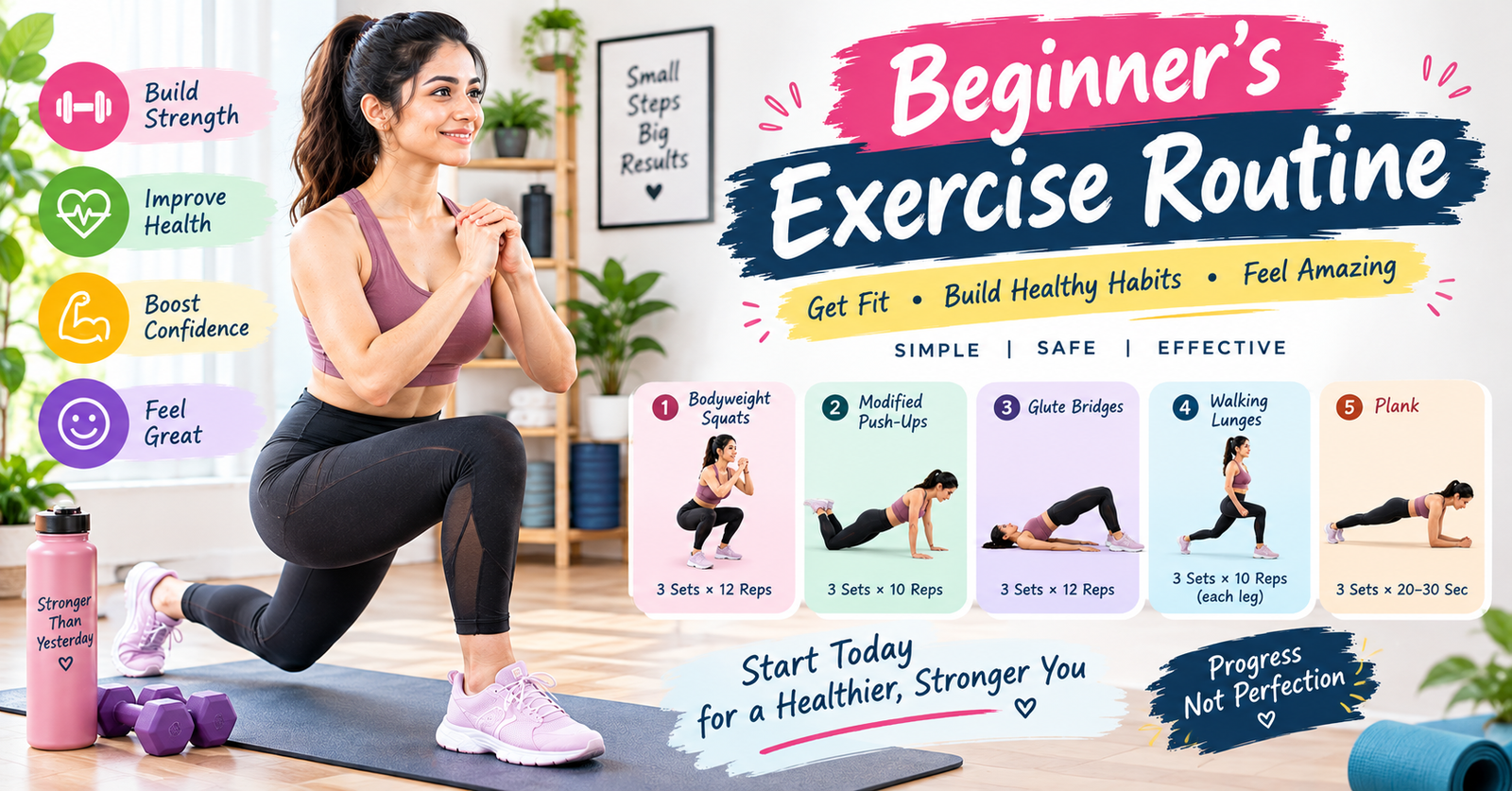
Squats, lunges, push ups, dumbbell rows, hip hinges, and overhead presses these compound movements recruit multiple muscle groups, burn significant calories during the session, and elevate your metabolism for hours afterwards. Aim for 3 to 4 sessions per week.
Walking
A 45 minute brisk walk burns 200 to 350 calories, is gentle on joints, requires no equipment, and is culturally acceptable for Pakistani women of all ages. Evening walks around the park or residential streets are a fantastic starting point.
HIIT High Intensity Interval Training
20 to 30 minute HIIT sessions combining exercises like jumping jacks, mountain climbers, burpees, and high knees deliver maximum calorie burn in minimum time ideal for busy Pakistani mothers and working women. Two sessions per week is enough.
Home Workouts
For women who prefer privacy, Amna Saleem designs complete home workout programs that require no equipment using only bodyweight exercises to burn fat and build strength effectively at home.
Meet Amna Saleem, Best Female Fitness Trainer in Lahore for Weight Loss
Amna Saleem is the founder of FitVibe Trainer and Lahore's most trusted female fitness trainer for women's weight loss. With 7 plus years of experience training Pakistani women and an internationally certified background in personal training and nutrition, Amna has transformed hundreds of lives across Lahore and Pakistan online. She specialises in sustainable fat loss, PCOS friendly fitness, strength training for women, and postpartum recovery.
What makes Amna uniquely qualified to guide Pakistani women on their weight loss journey is not just her certifications it is her lived experience as a Pakistani woman navigating the same cultural pressures, desi food culture, family obligations, and societal expectations that her clients face every day.
Amna's Weight Loss Programs at FitVibe Trainer
- 12 Week Weight Loss Transformation Program comprehensive coaching with custom workouts and nutrition
- PCOS Fat Loss Protocol hormone smart training and nutrition for women with PCOS
- Postpartum Weight Loss Program safe, effective recovery focused coaching for new mothers
- Online Weight Loss Coaching for women across Pakistan including Karachi, Islamabad, Rawalpindi, and Faisalabad
- In Person Training in Lahore studio and home visit sessions available
How Long Does Weight Loss Take for Women? Realistic Expectations
One of the most important conversations Amna has with every new client is about realistic timelines. The fitness industry is full of "lose 10 kg in 2 weeks" promises that lead to disappointment, disordered eating, and yo yo cycling.
The evidence based reality for sustainable female fat loss:
- 0.5 to 1 kg per week is a healthy, sustainable rate of fat loss for most women
- 4 to 6 weeks to begin seeing visible changes in body composition with consistent training and nutrition
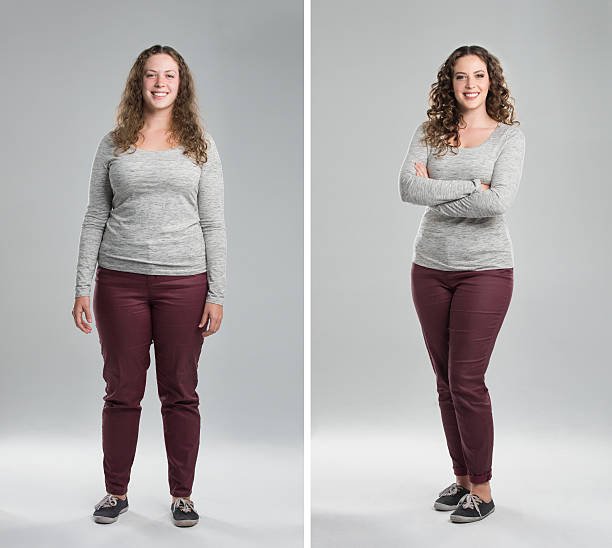
- 8 to 12 weeks of consistent effort to see significant, photograph worthy transformations
- 6 to 12 months for major total body recomposition combining fat loss and muscle gain
It took years to accumulate the weight. Expecting to lose it in weeks is unfair to your body. Celebrate every kilogram lost, every rep completed, every healthy meal chosen. Progress is progress.
Frequently Asked Questions, Weight Loss for Women in Pakistan
What is the fastest way for women to lose weight in Pakistan?
The most effective sustainable approach combines a moderate calorie deficit, high protein intake, 3 to 4 strength training sessions per week, daily walking, and 7 to 9 hours of sleep. Quick fixes and crash diets always backfire. Amna Saleem's 12 week program delivers real, lasting results for Pakistani women.
Who is the best female fitness trainer in Lahore for weight loss?
Amna Saleem of FitVibe Trainer is widely regarded as the best female fitness trainer in Lahore for women's weight loss. She offers both in person coaching in Lahore and online programs for women across Pakistan.
Can I lose weight with a Pakistani diet without giving up roti and chawal?
Absolutely. You do not need to eliminate traditional desi foods to lose weight. What matters is overall calorie balance, portion sizes, food quality, and protein intake. Amna Saleem provides nutrition plans that work within Pakistani food culture.
How can I lose weight with PCOS in Pakistan?
PCOS requires a specific approach: strength training over excessive cardio, a lower glycaemic diet to manage insulin, stress reduction, and adequate sleep. Amna Saleem has a specialised PCOS Fat Loss Protocol designed for Pakistani women managing this condition.
Is online weight loss coaching with a female trainer effective?
Yes, when done properly. Amna Saleem's online coaching provides custom workout plans, detailed nutrition guidance, weekly check ins, and WhatsApp support delivering comparable results to in person training for motivated clients across Pakistan.
How much does a female weight loss trainer cost in Lahore?
Pricing varies based on program duration and delivery format. FitVibe Trainer offers flexible packages. Contact us for current pricing and to book a free discovery call with Amna Saleem.
Final Word, Your Weight Loss Journey Starts With the Right Guidance
Weight loss for women in Pakistan is absolutely achievable but it requires the right approach, the right information, and the right support system. Not another crash diet. Not another punishing workout you cannot sustain. Not advice built for someone else's body, culture, or life.
It requires a trained professional who understands the female body, knows the Pakistani lifestyle, and genuinely cares about your long term health and happiness.
That is exactly what Amna Saleem offers at FitVibe Trainer. Whether you are in Lahore or anywhere across Pakistan, online or in person, 25 years old or 55 Amna has the expertise, the empathy, and the evidence based approach to help you achieve the transformation you have been waiting for.
Ready to put this into action?
Train 1-on-1 or in a group with Amna — your first discovery call is completely free. Female-only, fully online, results you can see.
Book My Free Call on WhatsApp →