Women's Fitness · Personal Training Guide
Best Female Personal Trainer for Women: What to Look For & Why It Changes Everything By Amna Saleem ACE Certified June 24, 2025 12 min readFinding the best female personal trainer is one of the most important fitness decisions a woman can make. The right coach doesn't just build your workout plan — she understands your hormones, your history, your confidence, and your life. Here's everything you need to know before you hire.
In This Article
- Why a Female Personal Trainer Makes a Real Difference
- What Actually Makes the Best Female Personal Trainer
- Certifications to Look For — and Which Matter Most
- Key Specializations for Women's Fitness
- Online vs In-Person Female Personal Training
- 5 Red Flags When Choosing a Women's Personal Trainer
- Questions to Ask Before You Commit
- What Results to Realistically Expect
- Frequently Asked Questions
Why a Female Personal Trainer Makes a Real Difference
The fitness industry has historically been designed around male physiology. The majority of early research, default calorie models, and generic programming were built using male subjects — and for decades, women were handed the same plans with the weight dialed down. The result? Millions of women working harder than they needed to and wondering why the results weren't coming.
A best female personal trainer who specializes in women's fitness approaches training from an entirely different foundation. She understands that a woman's hormonal cycle directly affects energy, recovery, strength output, and fat metabolism. She knows that postpartum bodies need entirely different loading strategies. She recognizes that PCOS, thyroid dysfunction, and perimenopause aren't obstacles to fitness — they're simply factors to program around.
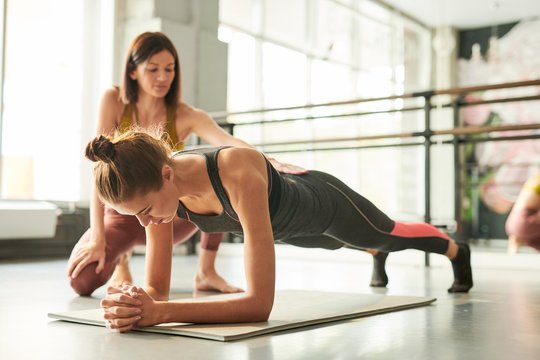
But beyond physiology, there's something more fundamental: comfort. Research consistently shows that women feel more confident, push harder, and stay consistent longer when they train in female-only environments with a female coach. For many women — especially those returning after injury, pregnancy, or years away from exercise — that psychological safety is the difference between showing up and staying home.
67% More leads for trainers who publish consistent content (HubSpot) 80% Of women abandon fitness goals within the first month without accountability 6–8 wk Typical window for first visible results with a properly custom planWhat Actually Makes the Best Female Personal Trainer
Not every female trainer is the right trainer. The word "best" has to mean something specific, because the fitness space is crowded with coaches who are enthusiastic but underprepared, credentialed but generic, or experienced in male-sport models that don't transfer cleanly to women's bodies and goals.
The best female personal trainers share a consistent profile:
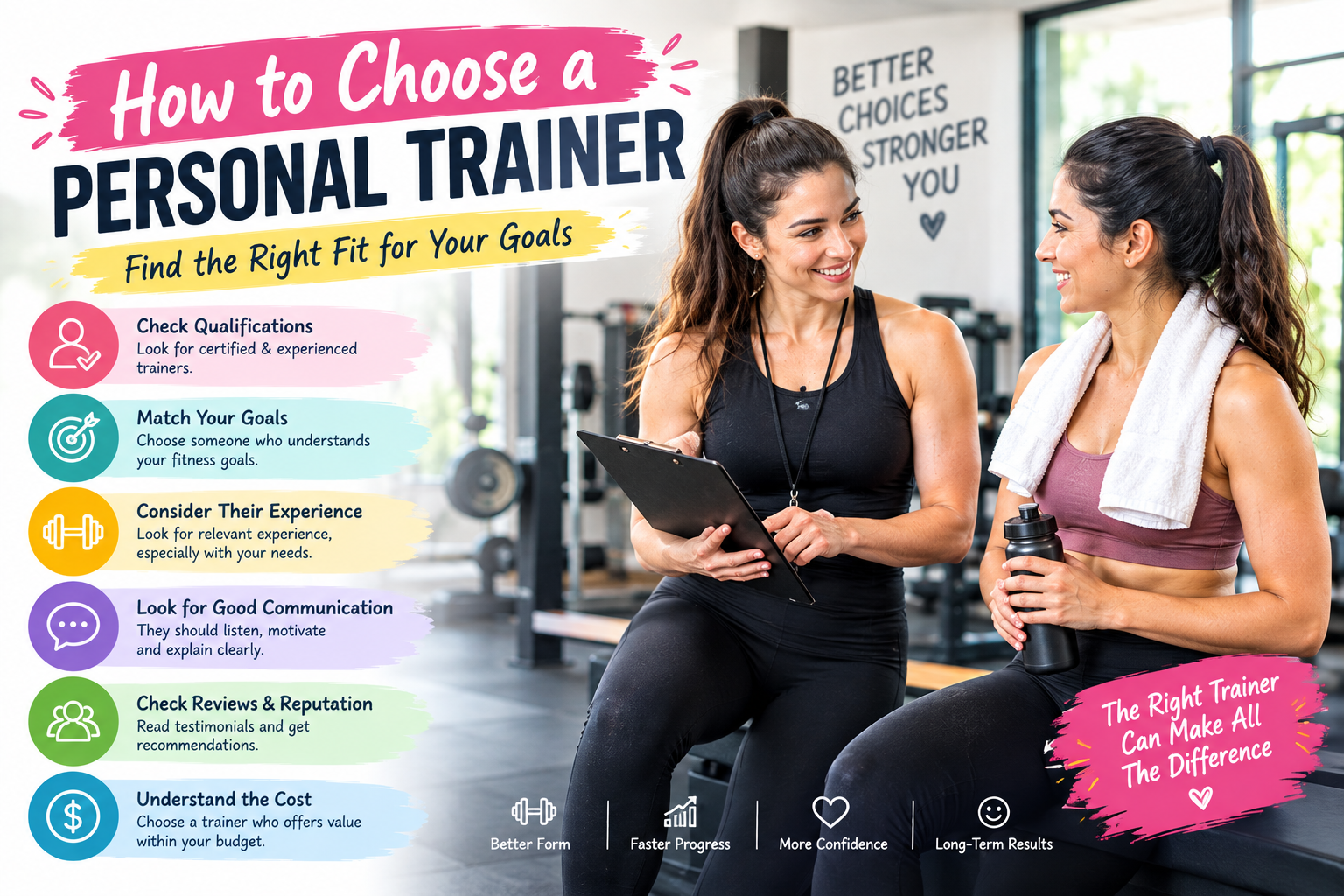
- A recognized, current certification — not a weekend course, but a rigorous accredited qualification from a body like ACE, NASM, or NSCA that requires ongoing continuing education.
- Real specialization in women's physiology — including hormonal health, fat-loss mechanics specific to women, pre- and postnatal exercise science, and condition management for PCOS or thyroid issues.
- A genuine track record with female clients — verifiable testimonials, before-and-after results, and ideally clients across a range of ages, starting points, and conditions.
- Custom programming, not template plans — every woman's body responds differently. The best trainers build your plan around your life, your injuries, your schedule, and your specific goal.
- Accountability infrastructure — check-ins, WhatsApp support, progress reviews, and nutrition guidance, not just a weekly Zoom call and a PDF workout.
- Clear, honest communication — a coach who tells you what you need to hear, not just what you want to hear, while keeping the relationship warm and motivating.
"The best trainer isn't the one who gives you the hardest workouts. It's the one who gives you the right workouts — and keeps you showing up long enough to see them work." — Amna Saleem, ACE Certified Trainer, Fit Vibe Trainer
Certifications to Look For — and Which Matter Most
Certifications are the minimum bar, not the whole story. But they matter enormously, because they tell you whether a trainer has been rigorously trained, tested, and held accountable to professional standards. Here's a breakdown of the most reputable certifications in the industry:
Certification Issuing Body Widely Respected? Requires CECs? ACE — American Council on Exercise ACE (USA) ✓ Yes — globally ✓ Yes — every 2 years NASM — National Academy of Sports Medicine NASM (USA) ✓ Yes — globally ✓ Yes — every 2 years NSCA-CPT — Certified Personal Trainer NSCA (USA) ✓ Yes — gold standard ✓ Yes — every 3 years ISSA — International Sports Sciences Association ISSA (USA) ✓ Yes — widely recognized ✓ Yes Generic "fitness diploma" or social media course Various unaccredited ✗ Not industry-standard ✗ No requirementFit Vibe Trainer's Amna Saleem holds an active ACE certification — one of the most rigorous and globally respected credentials in the personal training industry. Her cert number is available upon request.
Key Specializations for Women's Fitness
General personal training knowledge is a starting point. But for women navigating specific physiological realities, specialized knowledge is what produces results where other trainers have failed. Here are the most impactful specializations to look for in a female personal trainer:
Women's Fat Loss Coaching
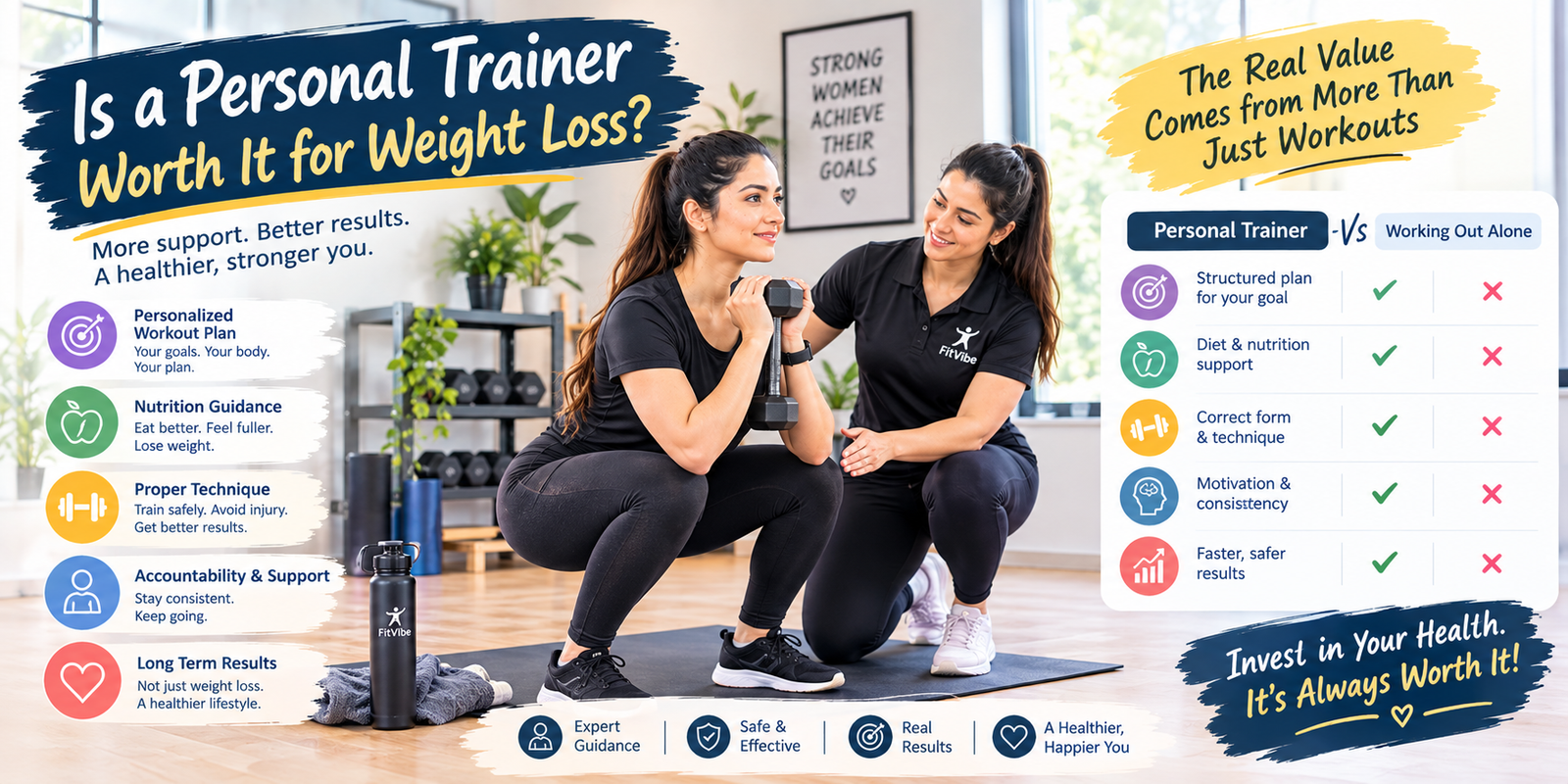
Fat loss in women is not the same as fat loss in men. Women carry more essential fat, respond differently to caloric deficits due to hormonal feedback loops, and are at higher risk of metabolism adaptation when cutting too aggressively. The best female personal trainers understand how to create sustainable deficits that preserve muscle, protect hormonal health, and produce visible results without wrecking your energy or cycles.
Strength Training for Women
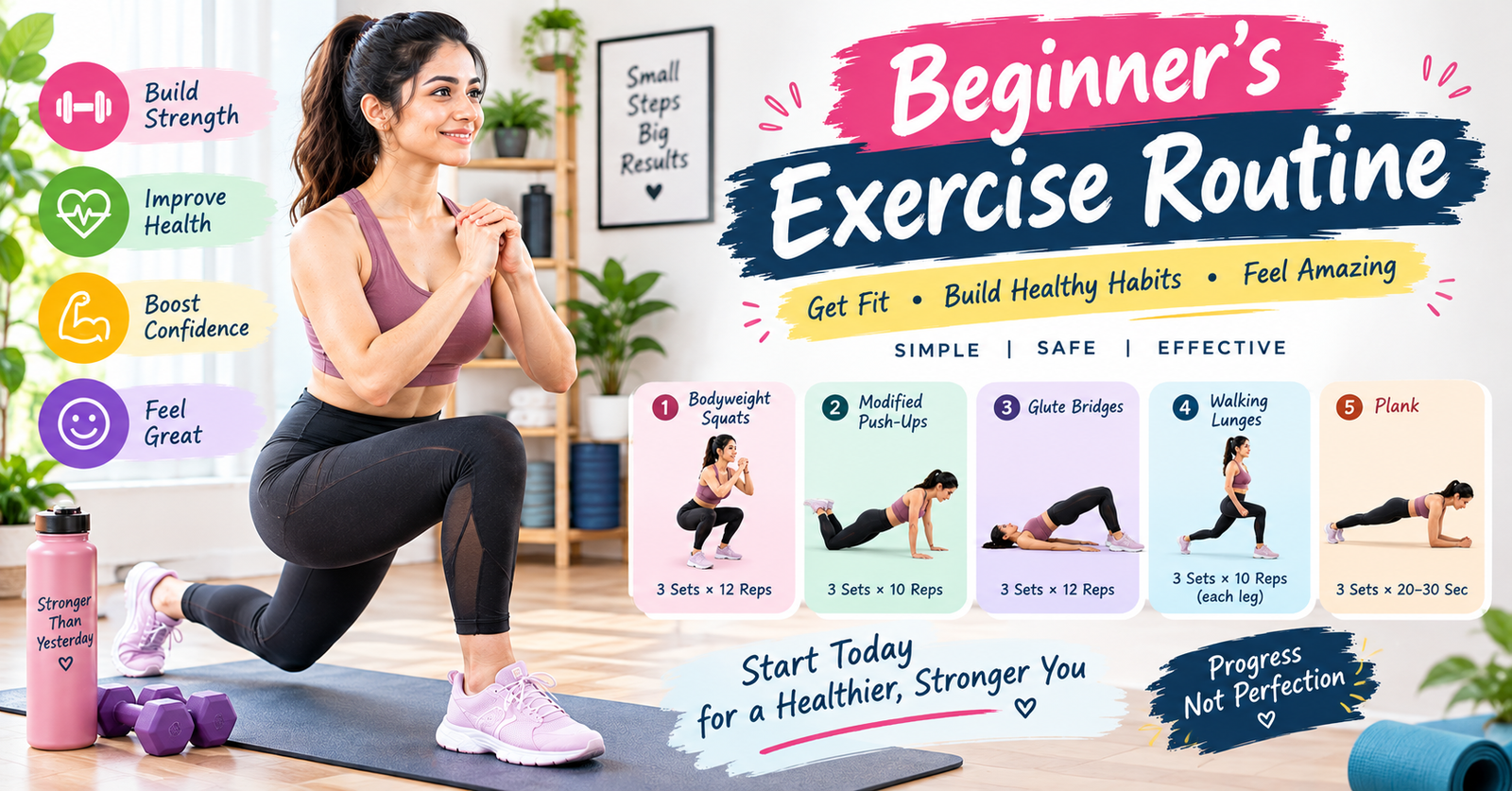
One of the most persistent myths in women's fitness is that lifting weights will make you bulky. The science has comprehensively disproven this. Women lack the testosterone levels needed to build significant muscle mass inadvertently. What strength training actually does for women is dramatically reshape body composition, strengthen bones, improve posture, boost metabolic rate, and build the kind of functional strength that makes everyday life easier. A knowledgeable female personal trainer will build progressive overload programs that deliver these benefits safely and efficiently.
PCOS and Hormonal Health
Polycystic Ovary Syndrome affects roughly 1 in 10 women of reproductive age and significantly impacts fat storage, insulin sensitivity, energy, and motivation. Trainers without PCOS knowledge often prescribe high-intensity programs that spike cortisol and worsen symptoms. The right approach involves specific exercise modalities, intensity management, and nutrition strategies that work with the hormonal environment rather than against it.
Postpartum Fitness
The postpartum period requires specialized knowledge of pelvic floor rehabilitation, diastasis recti management, and progressive load reintroduction. Rushing back to high-impact exercise too soon can cause lasting damage. The best female personal trainers who specialize in postpartum recovery guide clients through a careful, evidence-based return to movement that rebuilds from the inside out.
Nutrition Coaching for Women
Training without nutrition is half a strategy at best. A female personal trainer with additional nutrition coaching credentials can build meal frameworks that align with your training load, hormonal phase, cultural food preferences, and lifestyle — without the punishing restriction that leads to binge cycles or disordered eating patterns.
Online vs In-Person Female Personal Training
The rise of online personal training has fundamentally expanded who women can access as a coach. Previously, geography was destiny — you trained with whoever was closest. Now, the best female personal trainer in the world can coach you from your living room, across any time zone.
Factor Online Training In-Person Training Access to specialist coaches ✓ Global — choose the best, not just the nearest Limited to local availability Scheduling flexibility ✓ Multiple time zones, morning & evening slots Constrained by location & studio hours Cost ✓ Typically 40–60% lower Higher overhead passed to client No-equipment needed ✓ Bodyweight & home programs available Equipment-dependent Form correction ✓ Via live Zoom video feedback ✓ Hands-on in real time Comfort & privacy ✓ Train in your own space, no gym anxiety Dependent on gym environment Accountability ✓ Daily WhatsApp, weekly check-ins Session-only contact typicalOnline training is no longer a compromise — for most women, it's the superior option. Fit Vibe Trainer delivers 1-on-1 and group sessions via Zoom to clients across 18+ countries, with live form correction, daily WhatsApp support, and results that rival anything an in-person gym can offer.
5 Red Flags When Choosing a Women's Personal Trainer
The fitness industry has a low barrier to entry. Anyone can call themselves a trainer, especially online. Here are the red flags that should make you walk — or scroll — away:
- No verifiable certification. If a trainer can't provide their certification body, certificate number, and confirmation that it's current, keep looking. Enthusiasm is not a qualification.
- Guarantees that sound too good. "Lose 10 kg in 2 weeks" is not a training promise — it's a red flag for dangerous protocols. Real results come at a sustainable pace, typically 0.5–1 kg of fat per week under a well-structured program.
- One-size-fits-all programming. If your plan looks identical to what's posted for every other client, you're not being coached — you're being subscribed to a content library.
- No nutrition guidance. Training without nutrition coaching is like building a house with half the materials. The best female personal trainers integrate both.
- No accountability between sessions. A great trainer is invested in your progress every day, not just during the session. Look for built-in check-ins, progress tracking, and genuine availability.
Questions to Ask Before You Commit
A discovery call or free consultation is your opportunity to interview your potential trainer. The quality of their answers tells you everything. Here are the questions that reveal whether someone is truly the best female personal trainer for you:
- "What is your certification and is it currently active?" — Any hesitation here is a signal.
- "Have you worked with women who have PCOS / postpartum recovery / [your specific condition]?" — Specificity in their answer matters. Vague "yes" answers are less useful than concrete examples.
- "How do you handle progress plateaus?" — The best trainers have a systematic answer, not just "we'll increase intensity."
- "What does accountability look like between sessions?" — You want check-ins, not silence.
- "Can I speak to a current or past client?" — Confident trainers with real results will say yes immediately.
- "How do you adjust the program if I'm injured or my life gets chaotic?" — Adaptability is a core competency. Rigid trainers produce rigid results.
What Results to Realistically Expect
Managing expectations is part of great coaching. Here's a realistic, evidence-informed timeline for what to expect when you start working with a qualified female personal trainer:
Weeks 1–2: Foundation
Your body is adapting to new movement patterns. Soreness is normal. Energy may fluctuate. This phase is about learning correct form, establishing consistency, and building the habit infrastructure your transformation will run on. Results at this stage are neurological, not visible.
Weeks 3–4: Momentum
Strength begins to measurably increase. Sleep quality often improves. Many clients notice reduced bloating, more stable energy, and improved mood — even before the scale moves. This is the phase where most self-guided attempts collapse, and where having an accountable coach becomes the critical differentiator.
Weeks 5–8: First Visible Changes
Clothes start fitting differently. Body composition is shifting even when the scale says otherwise — muscle is denser than fat, so body shape changes before body weight does. Progress photos taken every two to three weeks capture what the mirror misses day to day.
Weeks 9–12: Transformation Consolidates
By the end of a proper 12-week program, most clients have achieved measurable fat loss, significant strength gains, dramatically improved confidence, and — crucially — habits that will serve them for years. This is where the "before and after" moment lives. It's not magic. It's structure, consistency, and the right coach.
Fit Vibe Trainer clients typically see measurable results within 4–6 weeks, with visible physical transformation by weeks 8–12. Over 300 women across 18 countries have gone through this process with Amna. Their testimonials are on the homepage — unedited and verifiable.
Frequently Asked Questions
What makes the best female personal trainer?
The best female personal trainer holds a recognized certification (such as ACE, NASM, or NSCA), has proven experience coaching women specifically, builds fully custom programs rather than generic templates, and provides ongoing accountability through check-ins, nutrition guidance, and consistent communication. She also understands female-specific physiology — including hormonal cycles, PCOS, and postpartum recovery — rather than applying a male-default approach to women's training.
Is it better to train with a female personal trainer?
For many women, yes. A female personal trainer creates a comfortable, safe environment where clients feel less self-conscious and more willing to push their limits. She's also more likely to understand firsthand the emotional and psychological dynamics that affect women's relationships with exercise, body image, and consistency. The physical understanding she brings of female physiology is a professional advantage — and the personal understanding she brings of the female experience is often what makes the difference between a good program and a truly transformative one.
How do I find the best female personal trainer online?
Look for a trainer with a recognized, current ACE, NASM, or ISSA certification; verifiable client testimonials across a variety of goals and conditions; clear accountability systems beyond the weekly session; and experience specifically with women's fat loss, strength, and hormonal health. Book a free discovery call and judge the quality of her questions and answers — the best trainers are as curious about you as you are about them. Fit Vibe Trainer offers a free call with ACE-certified coach Amna Saleem as a starting point.
Can a female personal trainer help with PCOS and postpartum fitness?
Absolutely — but only if she has specific training in these areas. PCOS requires managing cortisol load, insulin sensitivity, and hormonal cycling through specific exercise modalities and nutrition strategies. Postpartum recovery requires progressive pelvic floor rehabilitation and careful loading protocols before returning to high-impact exercise. Ask directly about her experience with your specific condition and request examples of clients she's helped in similar situations.
How much does a female personal trainer cost?
Online female personal training ranges from $79–$299 per month depending on program type (group vs 1-on-1) and level of personalization. In-person personal training in major cities typically costs $80–$200 per individual session. Online coaching generally delivers comparable or better results at a fraction of the cost, because the time and overhead savings are passed to the client. Fit Vibe Trainer offers group programs from $79/month and 1-on-1 Elite coaching at $299/month, with the first session always free.
Do I need equipment to train with a female personal trainer online?
No. The best online female personal trainers design programs around whatever you have — including nothing. Bodyweight-only programs can produce significant strength and body composition results when programmed correctly. If you have resistance bands, dumbbells, or gym access, those can be incorporated progressively. The right trainer meets you where you are, not where she wishes you were.
Ready to Train With a Best-in-Class Female Personal Trainer?
Join 300+ women across 18 countries who've transformed their bodies with Amna Saleem — ACE Certified, women's specialist, and your biggest champion. Your first session is completely free.
Book My Free Discovery Call →No commitment · No credit card · Female-only · Reply within 4 hours
AAmna Saleem
ACE Certified Personal Trainer · Nutrition Coach · Pre/Postnatal Specialist
Amna is the founder of Fit Vibe Trainer and an ACE Certified Personal Trainer based in Lahore, Pakistan. She has coached 300+ women across 18 countries in fat loss, strength, PCOS management, and postpartum recovery. Her programs are built around one principle: women deserve training that works for their body, not someone else's.
Ready to put this into action?
Train 1-on-1 or in a group with Amna — your first discovery call is completely free. Female-only, fully online, results you can see.
Book My Free Call on WhatsApp →