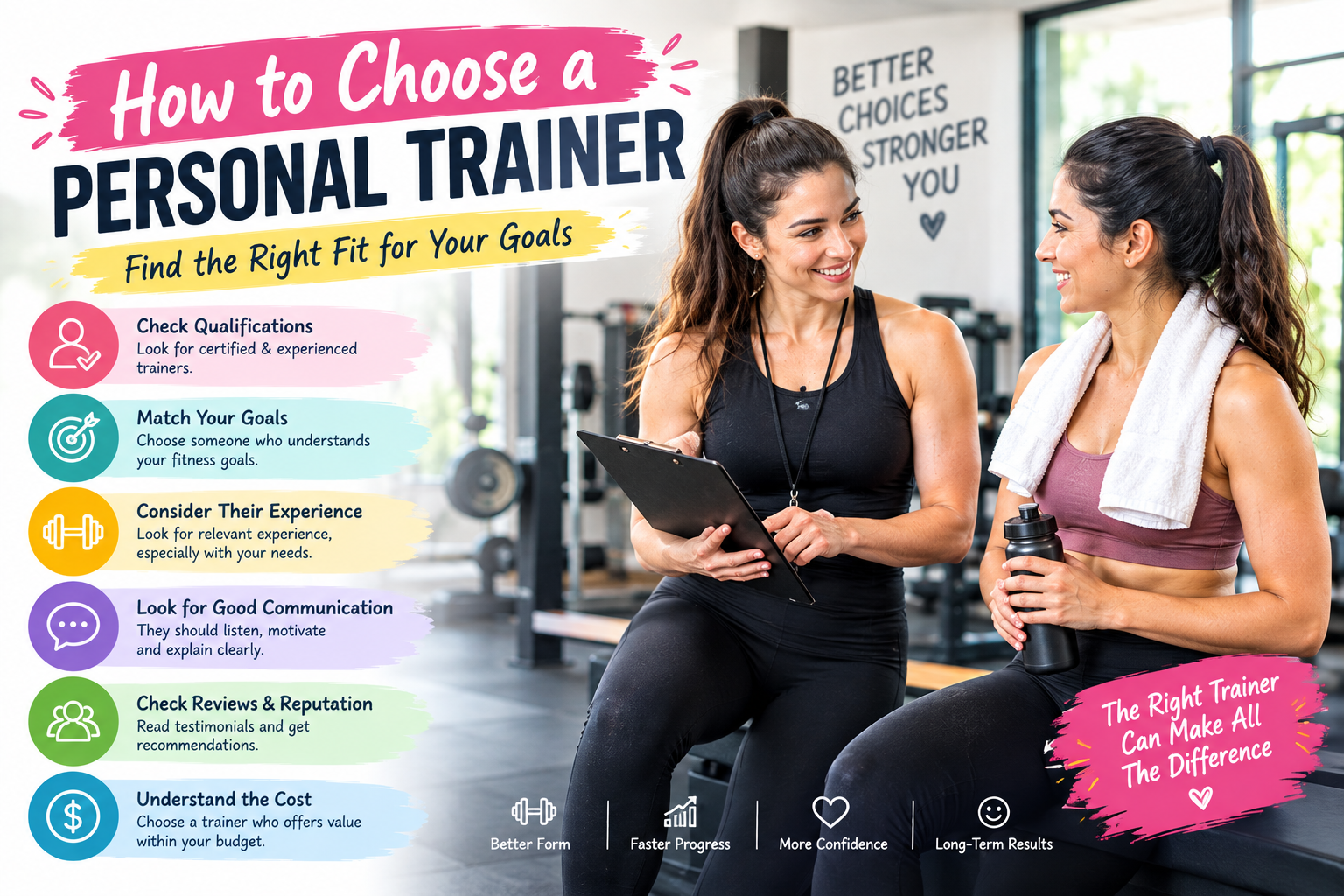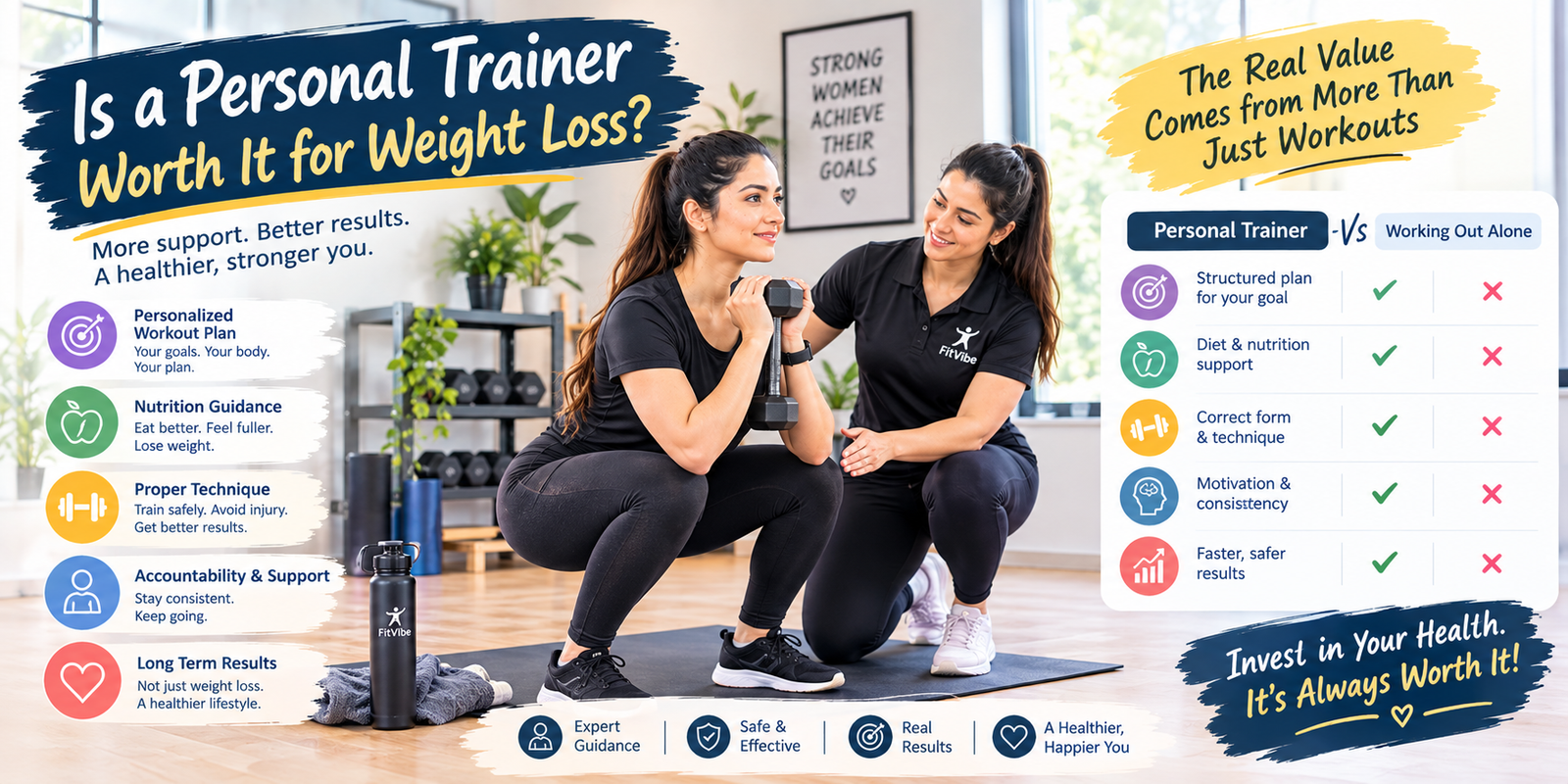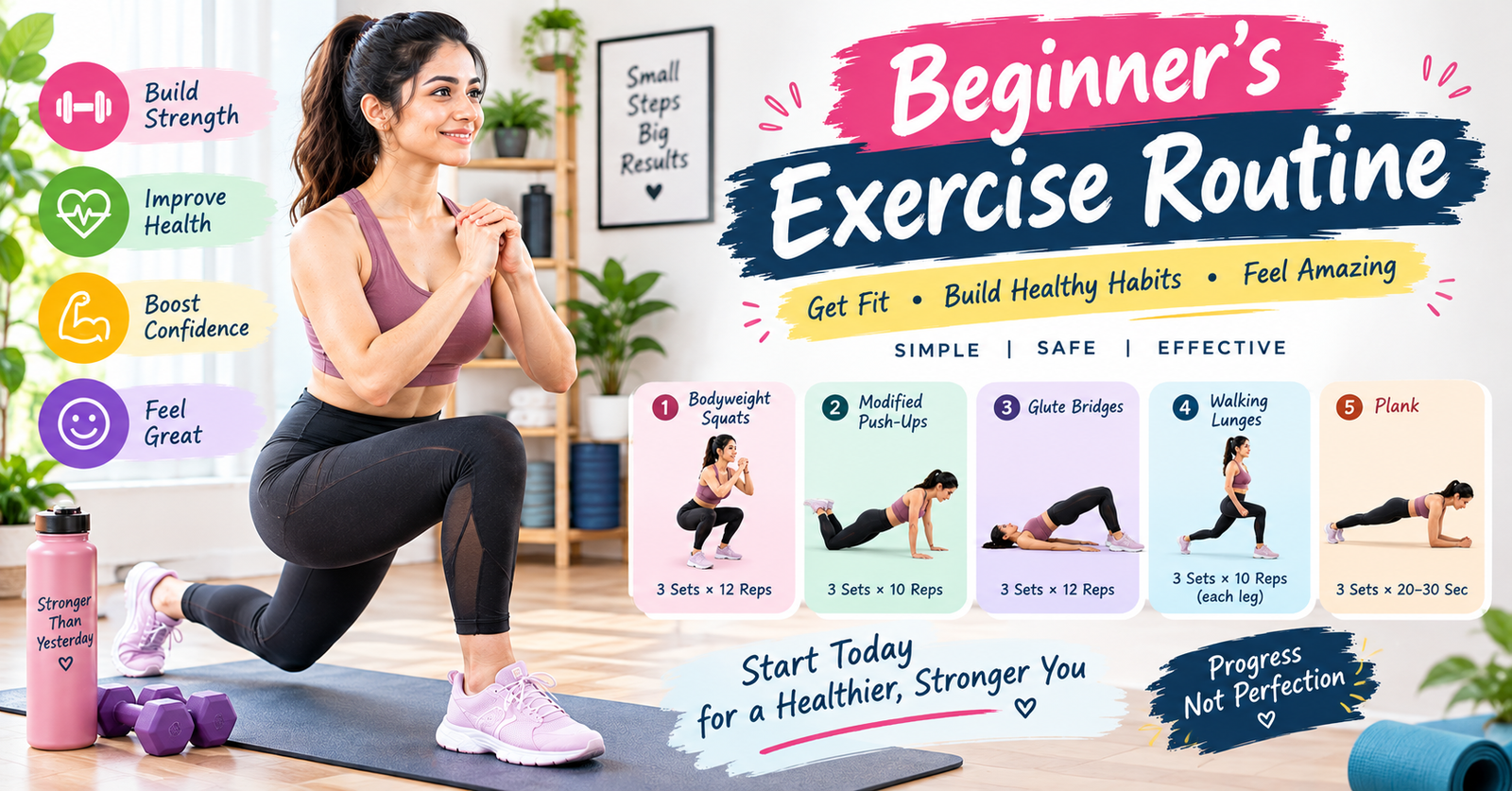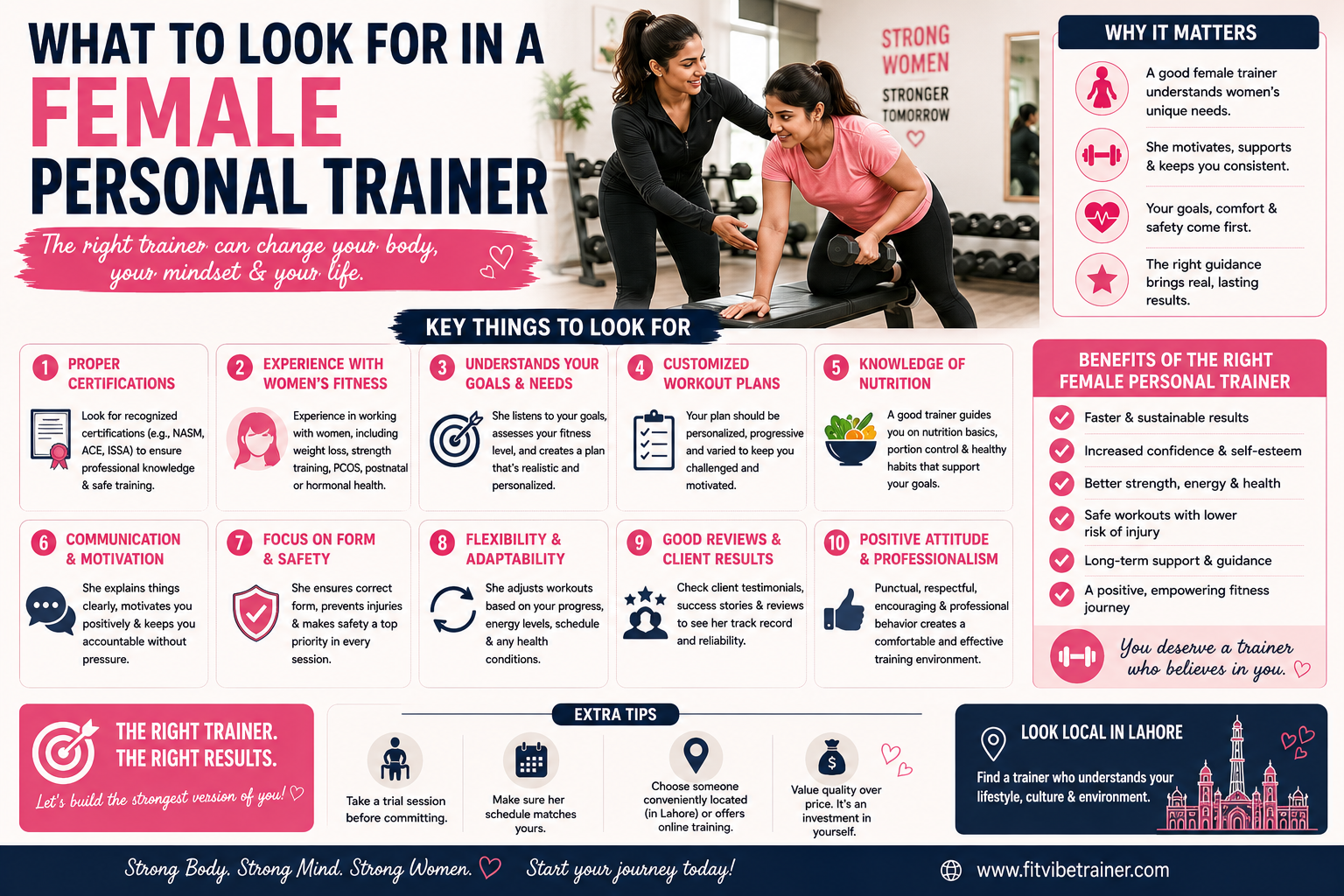
Choosing a female personal trainer is not a decision that should be based on location, price, or social media following alone. It is a decision that determines whether you make progress or plateau, whether you train safely or risk injury, and whether the investment you make in your health produces lasting results or temporary ones. The qualities that separate a genuinely qualified female trainer from the many unqualified ones operating in the same market are specific, verifiable, and knowable before you commit to a single paid session.
This guide covers every factor that actually matters when choosing a female personal trainer, what to look for during your initial consultation, what to watch for in a trial session, and the red flags that should stop you from proceeding regardless of how convincing the marketing is. For an additional perspective on this topic, you can also read the community discussion on Quora.
Why the Trainer's Gender Matters More Than It Is Often Acknowledged
The decision to seek a female personal trainer is not a minor preference. For many women, it is a fundamental requirement that directly affects the quality of the coaching relationship and therefore the quality of the results. The reasons extend beyond comfort, though comfort is genuinely significant.
A female trainer who specialises in women's health brings direct lived experience of female physiology alongside her professional knowledge. She understands from both study and personal experience how hormonal cycles affect training capacity, recovery, and fat metabolism. She is more likely to have invested in specialist certifications covering postnatal fitness, PCOS management, menopause, and pelvic floor health, because these are conditions that affect her own population. And she is more likely to have developed the clinical sensitivity to discuss topics including postpartum recovery, body image, hormonal conditions, and weight history in ways that are genuinely helpful rather than inadvertently dismissive.
For women in Lahore specifically, the gender of the trainer also shapes what is practically possible. Many women in Pakistan require a female trainer for religious or cultural reasons, prefer a ladies-only or private home training environment, and feel comfortable enough to be fully honest about their health history and limitations only when training with another woman. This honesty is not peripheral to results. It is foundational to them. A trainer who does not know about your PCOS, your diastasis recti, your chronic back pain, or your current stress levels cannot design a programme that addresses any of them.
What to Look for: Certifications That Are Verified and Relevant
In Pakistan, the personal training industry is almost entirely unregulated. Anyone can print a business card, create a social media account, and begin charging clients for coaching without any formal training, assessment, or professional accountability. This makes certification verification the single most important quality check you perform before considering any other factor.
The certifications that carry genuine international weight and indicate that a trainer has been formally assessed on exercise science, programme design, anatomy, and client safety are the following.
- ACE Certified Personal Trainer (CPT) from the American Council on Exercise. One of the most widely respected general personal training certifications globally, with strong emphasis on safe programme design, injury prevention, and evidence-based practice. An ACE CPT means the trainer has passed a rigorous assessment covering exercise science, client intake, movement screening, and programme periodisation. Credentials can be verified at the ACE website by searching the trainer's name.
- NASM Certified Personal Trainer (CPT) from the National Academy of Sports Medicine. Particularly strong on corrective exercise and the Optimum Performance Training model, which makes it valuable for trainers working with clients who have movement restrictions, postural issues, or chronic pain. Also internationally verifiable.
- Girls Gone Strong (GGS) Women's Coaching Specialist. A specialist certification focused entirely on female physiology, hormonal health, body composition, psychological dimensions of women's fitness, and the specific coaching adjustments required for different life stages. A trainer holding this credential has made a deliberate professional investment in understanding women specifically, beyond what a general CPT covers.
- Pre and Postnatal Coaching Certification. Non-negotiable if you are pregnant, recently postpartum, managing diastasis recti, or experiencing pelvic floor dysfunction. Without this qualification, a trainer is applying generic programming to a specialist population. This is not a minor gap. It is a genuine safety risk for postnatal women.
- Diploma in Nutrition and Diet Planning. Relevant because fat loss, PCOS management, hormonal health, and body composition outcomes are all significantly influenced by nutrition. A trainer who can integrate dietary guidance alongside training design delivers meaningfully more comprehensive results than one who cannot.
When you ask a trainer about her qualifications, ask specifically: which organisation issued the certification, when it was completed, and whether it can be verified. A qualified trainer will answer immediately and without defensiveness. A trainer who gives vague answers, claims experience substitutes for certification, or cannot name the issuing organisation clearly is signalling that the credentials either do not exist or are from organisations that carry no international standing.
What to Look for: Specialist Knowledge That Matches Your Specific Situation
Certification tells you a trainer has baseline competency. Specialisation tells you she has the specific knowledge your situation requires. These are different things, and conflating them produces poor outcomes.
A trainer who is excellent at programming for general fat loss in healthy women may have no business working with a client managing PCOS and insulin resistance. A trainer who is skilled at beginner strength programming may be entirely unprepared to handle a postpartum client with diastasis recti and pelvic floor weakness. A trainer who works well with women in their thirties may lack the knowledge of perimenopausal physiology needed to programme effectively for a woman in her late forties.
Before committing, be honest about your specific situation and ask directly whether the trainer has experience and qualifications relevant to it.
- If you have PCOS or insulin resistance, ask what she knows about how insulin resistance affects training response and fat metabolism, how she structures programmes differently for women with PCOS, and whether she understands the nutritional modifications that support insulin sensitivity alongside exercise.
- If you are postpartum or managing diastasis recti, ask specifically about her postnatal certification, how she assesses diastasis recti before beginning core work, what her approach to pelvic floor rehabilitation is, and at what point she would refer you to a pelvic floor physiotherapist rather than continuing to train you independently.
- If you are perimenopausal or postmenopausal, ask how she adjusts training for the hormonal environment of this life stage, specifically how she addresses bone density, cortisol management, insulin sensitivity changes, and the shift in fat distribution toward the abdomen that accompanies oestrogen decline.
- If you are a complete beginner, ask what your first four weeks will look like, specifically whether there is a dedicated assessment phase before exercise programming begins, and how she progresses clients from foundational movements to more complex loading.
- If you have chronic pain, previous injuries, or movement restrictions, ask how she identifies these during assessment, what her modification approach is, and when she would recommend you consult a physiotherapist or doctor rather than continuing to train through a limitation.
The quality and specificity of the answers to these questions tells you more about a trainer's genuine competency than any number of before-and-after transformation photos on her social media.
What to Look for: A Structured Assessment Process Before Any Exercise Begins
One of the clearest indicators of a qualified, professional female trainer is whether she insists on a thorough assessment before beginning any training. The absence of this process is one of the most reliable red flags available.
A qualified trainer does not jump straight into exercise on the first session. She begins by gathering a complete picture of your health history, current physical condition, goals, lifestyle, and any factors that will influence what is safe and appropriate for your programme. This takes time, typically fifteen to twenty minutes of structured conversation at minimum, and it covers medical history, hormonal health, exercise history, current daily activity, sleep, stress, and nutrition habits.
She then performs a movement screen, observing how you squat, hinge, push, pull, and stabilise, to identify muscular imbalances, mobility restrictions, or postural patterns that need to be addressed before loading your body with more complex exercises. She records baseline measurements appropriate to your goals, whether that is body weight, circumference measurements, resting heart rate, strength baselines, or mobility markers.
Only then does she introduce foundational movements in a low-intensity, technique-focused session designed to begin building your movement vocabulary rather than test your physical limits.
A trainer who skips this process, who begins with a challenging workout before asking about your health history, who records no baseline measurements, or who provides no programme rationale after the first session, is not providing coaching. She is providing supervised exercise without the professional structure that produces results rather than just effort.
What to Look for: How She Communicates During the Consultation
The initial consultation with a female personal trainer is not a formality. It is one of the most information-rich interactions you will have with her, and the way she communicates during it tells you a significant amount about how she will communicate throughout the coaching relationship.
A qualified, professional female trainer listens more than she talks in the first meeting. She is gathering information about you specifically rather than delivering a rehearsed pitch. She asks follow-up questions when you mention a health condition, an injury, or a previous experience with exercise. She does not immediately pivot to talking about her services, her results, or her rates when you mention something clinically relevant about your health history.
She explains her approach clearly and in terms you can understand without excessive jargon. She tells you what assessment she will perform and why each component matters. She is honest about timelines, telling you what is realistic rather than what is most likely to close a sale. She does not make promises about specific weight loss figures in fixed timeframes before she has assessed you, because a trainer who makes those promises before any assessment has prioritised the sale over the truth.
She asks questions that indicate genuine clinical curiosity about your situation, not just polite interest. Questions like: what have you tried before and what happened, are you managing any hormonal conditions, how is your sleep currently, what does a typical day of eating look like, and what specifically would success look like for you in six months reveal a trainer who is building a programme around the information you provide rather than applying a template to everyone who walks through the door.
What to Look for: How She Structures Progression Over Time
Results in personal training are produced by progressive overload applied consistently over time, not by individual sessions that feel intense. A qualified female trainer has a clear, periodised approach to how she will progress your programme, and she is able to explain it to you in advance rather than making session-by-session decisions based on what feels right in the moment.
Ask any trainer you are considering how she structures a client's first twelve weeks. A qualified trainer will describe a clear progression: an assessment and foundational phase of four to six weeks focusing on movement quality and baseline building, followed by a progressive loading phase where resistance, volume, and complexity increase systematically, followed by a re-assessment and programme evolution based on the results of the first phase. She should be able to tell you what markers she uses to decide when a client is ready to progress and what the next phase looks like when they get there.
A trainer who cannot describe this progression, who says she varies sessions to keep things interesting without a clear periodisation rationale, or who relies primarily on intensity rather than structured loading progression, is not delivering professional programming. She is delivering random exercise that may produce short-term fatigue but is unlikely to produce the systematic body composition and strength improvements that structured training achieves.
What to Look for: Progress Tracking That Goes Beyond the Scale
A qualified female trainer tracks progress through multiple markers, not through scale weight alone. This is not a minor operational detail. It is one of the most significant determinants of whether you accurately perceive whether your programme is working.
Scale weight fluctuates by one to three kilograms on a daily basis in response to water retention, hormonal cycles, digestive content, salt intake, and glycogen storage. It cannot distinguish between fat loss and muscle gain. A woman who loses two kilograms of fat and builds two kilograms of lean muscle over eight weeks of training will show no change on the scale while her body composition, measurements, strength, and appearance have changed significantly. If she and her trainer are tracking only scale weight, they will both conclude the programme is not working at the exact moment it is working most effectively.
The markers a qualified trainer tracks alongside scale weight include body measurements at the waist, hips, thighs, and upper arms, strength performance in key exercises to show objective functional improvement, resting heart rate as a cardiovascular health indicator, how clothing fits as a subjective but reliable body composition indicator, and energy levels, sleep quality, and daily function as indicators of the overall lifestyle impact of the programme.
Ask any trainer you are considering which markers she tracks and how frequently. Her answer tells you whether she understands the physiology of female body composition change well enough to evaluate her own programme accurately. You can also see how we apply this tracking approach in practice on our Facebook page, where we share real client progress documented across multiple markers.
The Red Flags That Should Stop You From Proceeding
These are the patterns that appear in the initial consultation or trial session that indicate a trainer is not qualified, not professional, or not working in your best interest. Any one of them warrants serious reconsideration. Several of them together should end the conversation.
- No verifiable certifications from recognised organisations. Being fit personally is not a qualification to coach others. Having trained many people is not a certification. Social media following is not a credential. If a trainer cannot name a recognised certifying body and direct you to verify her credentials, the credentials do not meet the standard required.
- Promises of specific results before any assessment has been done. Guarantees of losing a specific amount of weight in a fixed number of weeks, made before she has assessed your body composition, health history, hormonal context, and current fitness level, are a sales behaviour, not a coaching behaviour. They indicate a trainer who is prioritising conversion over honest expectation management.
- Jumping straight into exercise without a health intake. A trainer who begins your first session with exercise without first taking your medical history, asking about injuries, hormonal conditions, or current medications, and performing at minimum a basic movement screen, is not building a programme for you. She is performing exercises at you without the information required to do so safely.
- Pushing through pain. Any trainer who tells you to push through pain rather than stopping to investigate it, modify the exercise, or refer you for assessment is a safety risk. Pain during exercise is a signal from your body that something requires attention. Normalising it is one of the most common causes of training-related injury in personal training clients.
- Every session looks the same. A qualified trainer designs progressive programmes that evolve over time. If your sessions are identical week after week, or if exercises are selected randomly based on what feels interesting rather than on a progression plan, you are paying for supervised exercise without professional programme design.
- Aggressive supplement recommendations at the start of the relationship. A trainer who recommends supplements before she has thoroughly assessed your dietary habits, health history, and training status is prioritising revenue over your welfare. Reputable coaches introduce supplementation after dietary assessment and only where a genuine need is established.
- Inability to explain why you are doing a specific exercise. Every exercise in a quality programme has a clear rationale connected to your goals and your current capacity. A trainer who cannot explain why a movement is included, what it is building toward, and how it connects to your overall programme is not programming. She is guessing.
- Making you feel judged, rushed, or dismissed. A professional coaching relationship requires psychological safety. If you leave your consultation or trial session feeling judged about your current fitness level, body, or lifestyle, that trainer has demonstrated a fundamental lack of the empathy and professional respect required for effective coaching.
What to Look for in the Training Environment
Where you train affects how consistently you train, and consistency is the most powerful determinant of results. The right training environment is the one you can access reliably, feel comfortable in, and return to week after week without logistical or psychological barriers.
For women in Lahore, the environment options include in-home training where the trainer comes to you, private studio sessions in a ladies-only or women-preferred setting, and live online coaching via video session. Each has genuine advantages.
In home training removes the travel requirement, eliminates the mixed-gender environment concern, allows your trainer to see and work with your actual space and available equipment, and removes every logistical barrier between you and showing up consistently. Your trainer arrives at your door and the session happens in your own environment. This is the model most compatible with the scheduling realities of many women in Lahore managing household and family responsibilities.
Private studio sessions provide dedicated equipment, a distraction-free professional training environment, and the psychological shift of attending a session in a space designed for training. For women who find it easier to leave household responsibilities behind by physically going to a training appointment, this environment can improve focus and commitment.
Live online coaching via video is the most flexible format and is fully effective for women who are disciplined about their home training space or who are coaching with a Lahore-based trainer from internationally. A qualified trainer can observe your form, provide real-time correction, monitor your effort, and progress your programme through a live video session exactly as she would in person.
How Fit Vibe Trainer Meets Every Standard in This Guide
At Fit Vibe Trainer, every factor in this guide is not an aspiration. It is the operational standard of every client relationship we build.
Our ACE certified coach holds qualifications spanning GGS Women's Coaching Specialist, Pre and Postnatal Coaching Certification, Diploma in Nutrition and Diet Planning, Diploma in Physical Fitness and Exercise Science, Functional Training and Conditioning Certification, and Postpartum Fitness and Recovery Certification including diastasis recti management and pelvic floor rehabilitation. These certifications are verified, not self-declared, and they are directly relevant to the specific health contexts, hormonal conditions, and life stages of the women we coach.
Every new client begins with a full assessment covering health history, hormonal context, movement quality, baseline measurements, and goal clarification before any training programme is designed. Every programme is periodised, progressively structured, and evaluated against multiple markers of progress rather than scale weight alone. Every session is supervised, form-corrected, and adjusted based on how your body is responding rather than applied identically regardless of your state on any given day.
We offer in home training sessions across Lahore, studio sessions at Dream Gardens, and live online coaching for women in Pakistan and internationally. If you are in the process of choosing your trainer, this guide has given you the framework. The next step is applying it.
For more on how to navigate the selection process specifically in Lahore, including Pakistan-specific certification context and the cultural factors that shape what effective female training looks like here, read our detailed guide: how to choose the right female personal trainer in Lahore.
To understand what your first session should look like when you have found the right trainer, read: what to expect from your first personal training session.
For the science behind why strength training specifically should be the foundation of any female trainer's programming approach, read: why strength training is important for women.
To understand whether the trainer you are considering is structuring your programme correctly for fat loss versus general weight loss, read: fat loss vs weight loss: what is actually different.
For a full overview of our services and what working with Fit Vibe Trainer looks like in practice, visit: female personal trainer in Lahore.
Book a free consultation today and apply every standard in this guide to what you experience. You will have your answer within the first thirty minutes.
Find us on Google and read genuine reviews from women who started exactly where you are now.
Frequently Asked Questions
What should you look for in a female personal trainer?
Look for verified certifications from internationally recognised bodies such as ACE or NASM, specialist qualifications relevant to your specific health situation such as postnatal coaching or PCOS management, a structured assessment process before any exercise begins, clear explanation of how your programme will progress over time, progress tracking through measurements and strength markers rather than scale weight alone, and a communication style that makes you feel heard, respected, and honest rather than judged or rushed. The absence of red flags, including promises before assessment, pushing through pain, and identical sessions week after week, is equally important.
What certifications should a female personal trainer have?
At minimum, look for an ACE CPT or NASM CPT from internationally accredited organisations whose credentials can be verified online. Specialist certifications that add significant value include GGS Women's Coaching Specialist for female physiology depth, Pre and Postnatal Coaching Certification for postnatal and pregnancy clients, and a Diploma in Nutrition and Diet Planning for integrated dietary guidance. Always ask to verify credentials through the issuing organisation's website rather than accepting a trainer's verbal claim alone.
How do I know if a female personal trainer is qualified?
Ask for the name of her certifying organisation and verify the credential on their official website. Ask what the certification covered and when it was completed. Ask whether she has specialist qualifications relevant to your health context. Then observe how she conducts the initial consultation: a qualified trainer performs a health intake before any exercise, explains her assessment process, is honest about realistic timelines, and can articulate why specific exercises are included in your programme. A trainer who jumps straight to exercise, makes instant transformation promises, or cannot explain her programming rationale is not demonstrating the competency of a qualified professional.
What are the red flags when choosing a female personal trainer?
The most significant red flags are unverifiable or absent certifications, promises of specific results before any assessment, beginning exercise without taking your health history, normalising pain during sessions rather than investigating and modifying, identical sessions with no progressive structure, aggressive supplement recommendations in early sessions, and inability to explain why specific exercises are included in your programme. Any trainer who makes you feel judged, dismissed, or rushed during a consultation has also demonstrated a lack of the professional empathy required for effective long-term coaching.
Should I ask for a trial session before committing to a female personal trainer?
Yes, and a qualified trainer will offer one readily. Use it to observe whether she performs a proper assessment before the session, whether she corrects your form in real time and explains the corrections, whether she calibrates the intensity to your actual capacity rather than a fixed template, whether she asks how you are feeling at the start and adjusts accordingly, and whether you feel like you are being coached specifically or just supervised. The trial session is the most reliable source of information about what an ongoing coaching relationship with that trainer will look like.
Is a female personal trainer better for women with PCOS?
A female trainer with specialist knowledge of PCOS is significantly better than a general trainer of either gender without that knowledge. PCOS requires specific adjustments to both training and nutrition, particularly around insulin resistance management, cortisol reduction, cycle-aware training loads, and anti-inflammatory dietary principles. A trainer who does not understand these factors will apply a generic programme that produces poor results in a PCOS population. Ask specifically about PCOS knowledge and experience before committing rather than assuming any qualified trainer will have the required specialist understanding.
What questions should I ask a female personal trainer before hiring her?
Ask about her certifications and which organisations issued them. Ask what your first four weeks will look like in terms of assessment and programme structure. Ask how she tracks progress beyond scale weight. Ask how she approaches training for women with your specific health context. Ask what happens if you feel pain during a session. Ask how she structures programme progression over three to six months. Ask whether she offers a trial session. And ask her to explain why she would include specific exercises for a goal like yours, because the answer reveals whether she is programming specifically for you or applying a generic template.
How is a female personal trainer different from a gym instructor?
A certified female personal trainer designs a fully individualised programme specifically for you based on a thorough health assessment, tracks your progress across multiple markers over time, provides ongoing real-time form coaching in every session, adjusts your programme as your capacity and goals evolve, holds relevant certifications assessed by independent professional bodies, and is professionally accountable for the safety and effectiveness of her coaching. A general gym instructor is typically available to answer questions on the gym floor and demonstrate equipment use but does not provide individualised ongoing programming, progress tracking, or the structured coaching relationship that produces the specific results a personal training investment is designed to deliver.
Ready to put this into action?
Train 1-on-1 or in a group with Amna — your first discovery call is completely free. Female-only, fully online, results you can see.
Book My Free Call on WhatsApp →