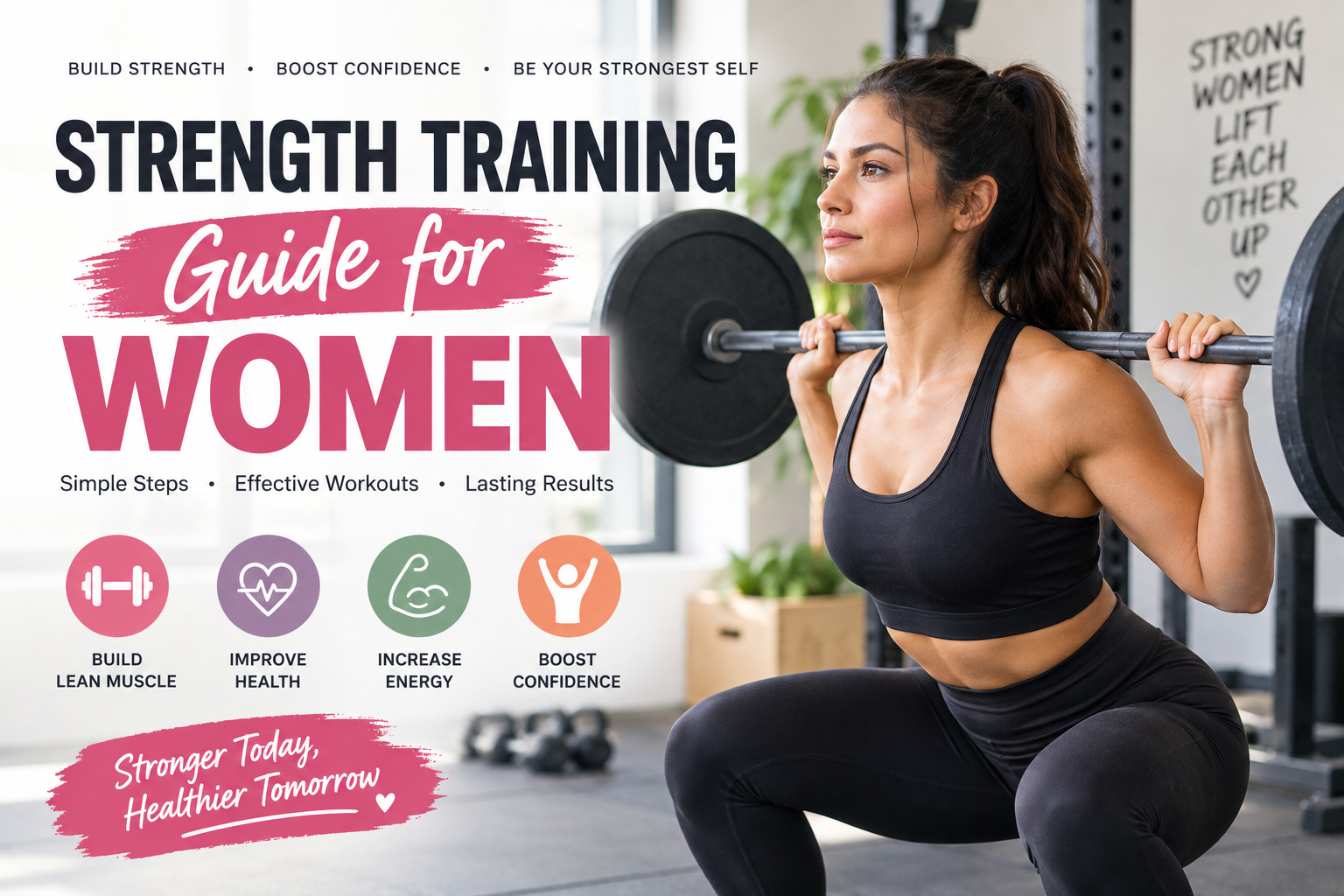
Strength training is one of the most effective things a woman can do for her body — for muscle tone, metabolism, bone density, and long-term health — yet it's still one of the most misunderstood parts of fitness. Many women stick to cardio machines and light dumbbells for years out of fear of "bulking up," missing out on the results they actually want. This guide breaks down the myths, the real benefits, and exactly how to start strength training the right way.
Myth: Strength Training Makes Women Bulky
This is the single biggest reason women avoid lifting heavier weights, and it isn't accurate. Building significant muscle bulk requires much higher testosterone levels than most women naturally have, along with years of dedicated high-volume training and a deliberate calorie surplus. What strength training actually does for most women is build a leaner, firmer, more defined physique — the "toned" look most people are chasing is the direct result of building muscle under the fat, not from cardio alone.
Why Strength Training Matters More Than Most Women Realize
- Boosts metabolism: muscle tissue burns more calories at rest than fat tissue, so building strength raises your daily calorie burn even outside of workouts.
- Protects bone density: resistance training is one of the most effective tools for maintaining bone strength, which becomes especially important as estrogen levels decline with age.
- Improves posture and reduces pain: strengthening the back, core, and glutes directly counters the rounded-shoulder, desk-job posture so many women deal with.
- Supports hormonal and metabolic health: resistance training has a positive effect on insulin sensitivity, which is particularly relevant for women managing PCOS.
- Builds real functional strength: carrying groceries, lifting a child, or climbing stairs all get easier with a stronger body.
The Core Movement Patterns Every Woman Should Learn
You don't need dozens of exercises. Nearly every effective strength program is built around five basic movement patterns:
- Squat (bodyweight squat, goblet squat) — trains the legs and glutes.
- Hip hinge (glute bridge, Romanian deadlift) — trains the glutes, hamstrings, and lower back.
- Push (push-up, dumbbell shoulder press) — trains the chest, shoulders, and triceps.
- Pull (rows, lat pulldowns) — trains the back and biceps, and is essential for posture.
- Core (plank, dead bug) — trains stability through the entire trunk.
Mastering these five patterns with good form gives you the foundation to progress into almost any strength goal.
A Beginner-Friendly Weekly Program
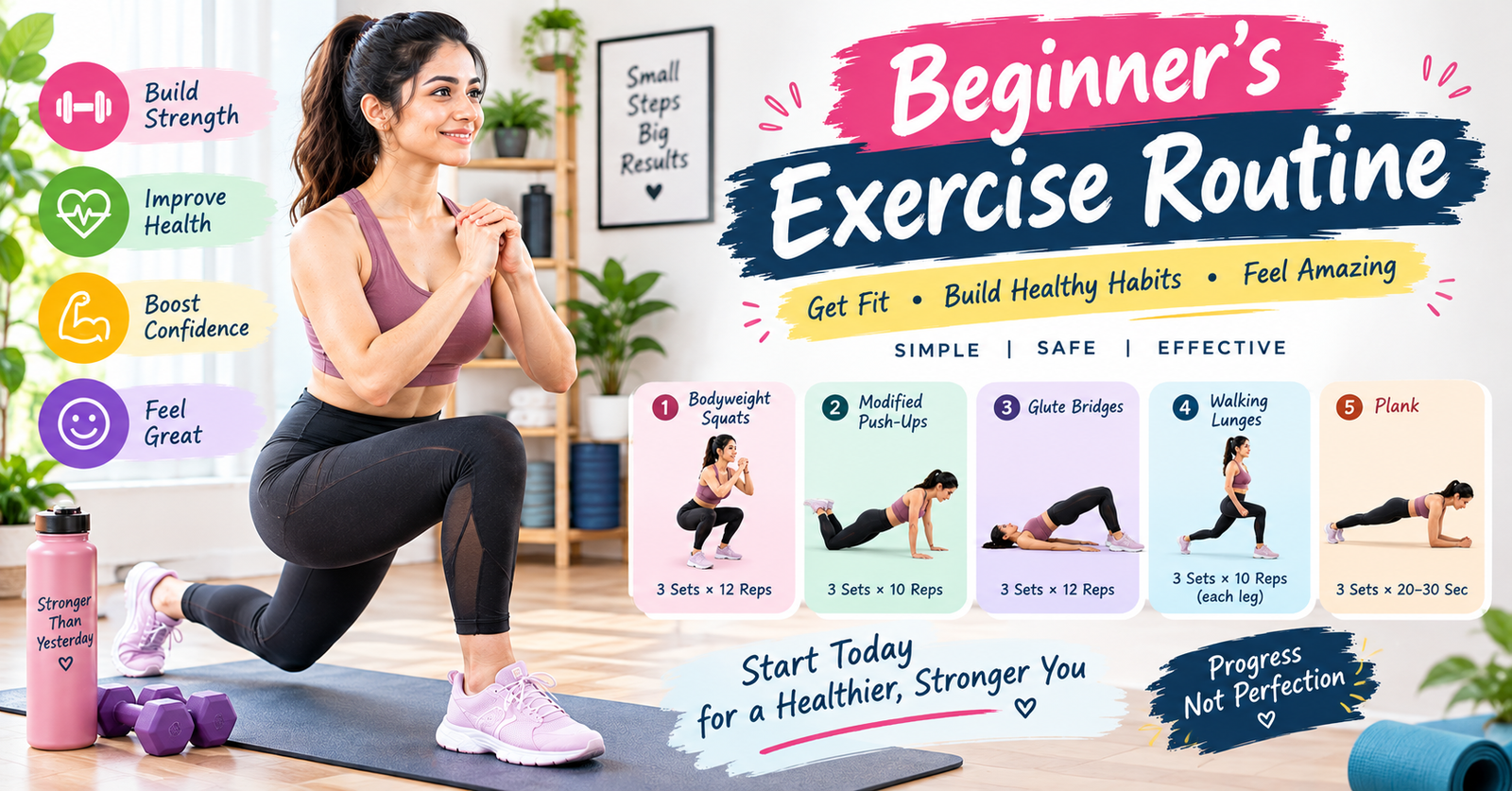
Two to three full-body sessions per week, with a rest day between each, is enough to build real strength as a beginner. A simple starting structure:
- Warm-up: 5 minutes light cardio + dynamic stretches
- Squats: 3 sets of 10-12 reps
- Glute bridges or Romanian deadlifts: 3 sets of 10-12 reps
- Push-ups (knee or full) or dumbbell press: 3 sets of 8-10 reps
- Rows (band or dumbbell): 3 sets of 10-12 reps
- Plank: 3 sets of 30-45 seconds
Rest 60-90 seconds between sets. Focus entirely on form for the first two to three weeks before worrying about adding weight.
How to Progress Without Guessing
Once the current weight feels manageable for all sets with 2-3 reps left in the tank, it's time to progress. This can mean adding a small amount of weight, adding one more rep per set, or adding an extra set. The principle behind all of it is progressive overload — gradually asking your muscles to do slightly more over time, which is what actually drives strength and muscle development, not just "working out."
Common Mistakes to Avoid
- Only doing cardio: cardio supports heart health but doesn't build the muscle tone most women are actually after.
- Never increasing the weight: using the same light dumbbells for months stalls progress once your muscles adapt.
- Skipping rest days: muscles grow during recovery, not during the workout itself. Training the same muscle groups every day without rest slows progress and raises injury risk.
- Ignoring form for the sake of heavier weight: lifting more than you can control with good technique is one of the most common causes of injury in strength training.
Strength Training With PCOS or Postpartum
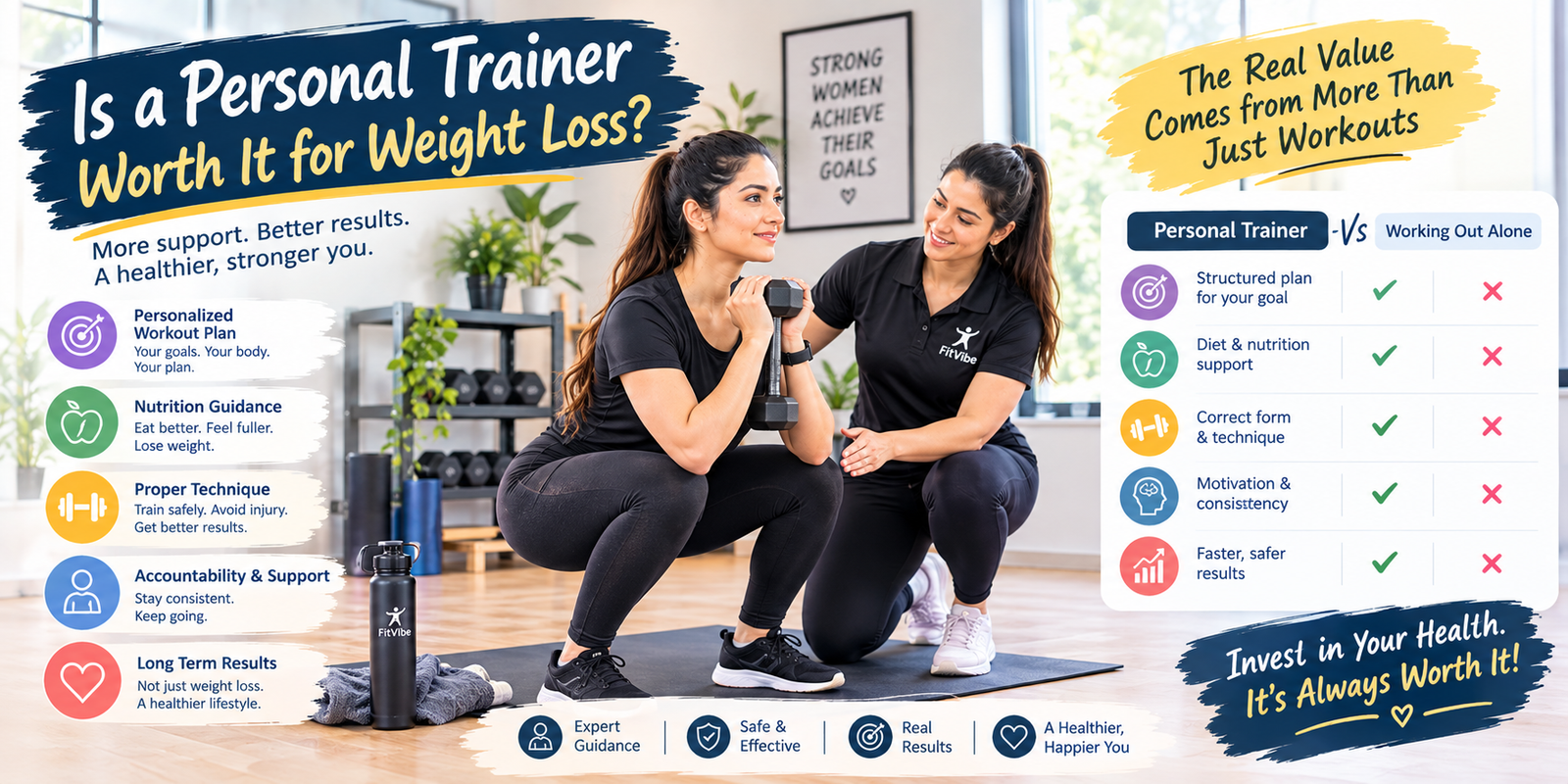
Strength training can be genuinely helpful for both PCOS and postpartum recovery, but the program needs to be adjusted — pacing, exercise selection, and core/pelvic floor considerations all differ from a standard beginner plan. Working with a trainer who understands these adjustments, rather than following a generic program, makes a real difference in both safety and results.
Where to Start
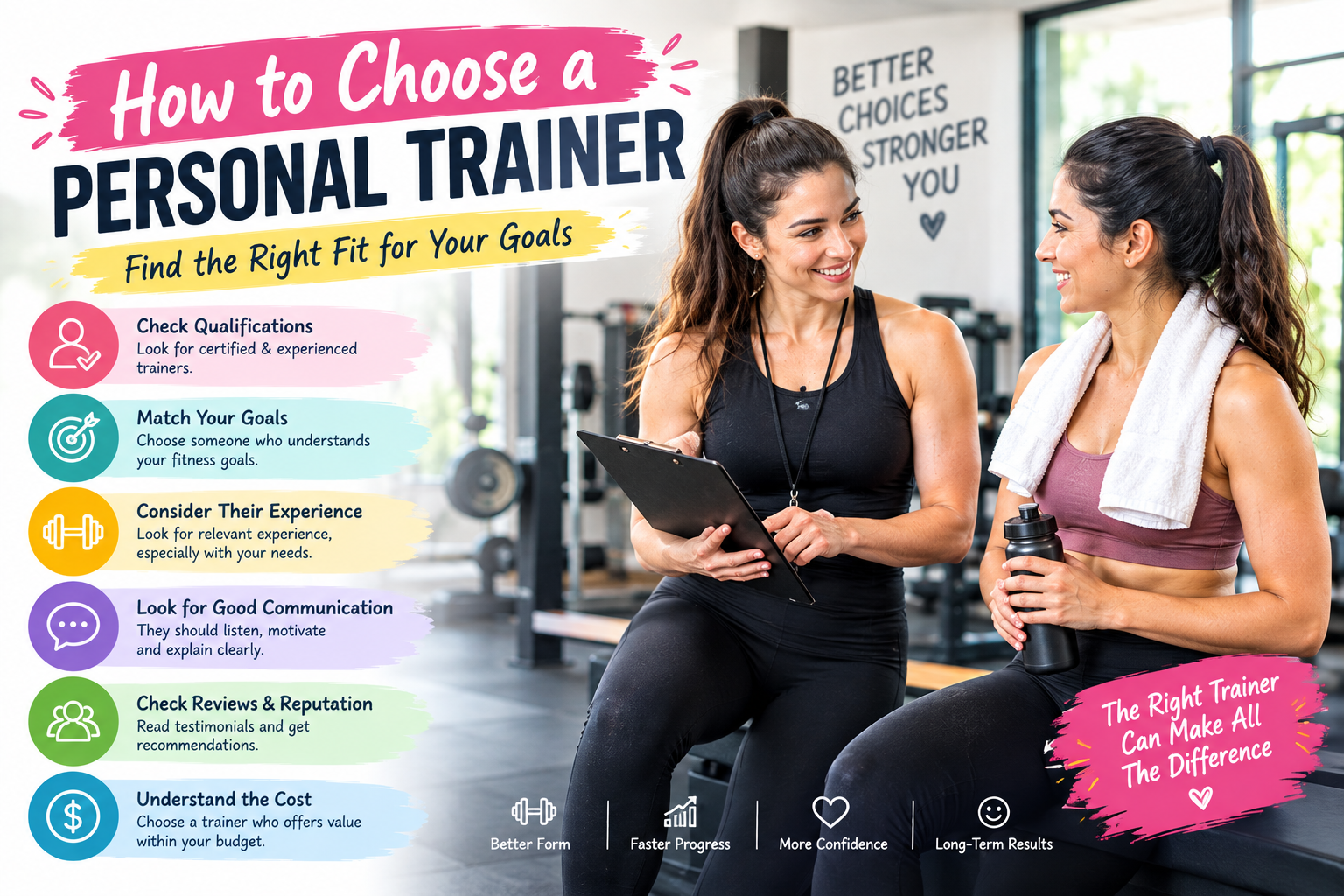
Reading about strength training and actually starting a well-structured program are two different things. At Fit Vibe Trainer, beginner strength programs are built specifically for women, with in-person coaching across DHA, Johar Town, Gulberg, Bahria Town, and Model Town in Lahore, or online coaching for anyone who wants a structured plan with real progression, including adjusted programming for PCOS, postpartum recovery, and posture correction.
For more on getting started with strength training, see this strength training breakdown and this related post on building strength as a beginner.
The Bottom Line
Strength training is one of the highest-return habits a woman can build — for how her body looks, how it functions, and how it ages. It won't make you bulky, and it doesn't require a complicated program. Two to three full-body sessions a week, built around the five core movement patterns, with steady progression over time, is enough to see real, lasting change.
Frequently Asked Questions
Will strength training make women bulky?
No. Women naturally have far lower testosterone levels than men, making rapid muscle bulk very difficult without specific high-volume training and a calorie surplus. Most women develop a leaner, more toned look instead.
How often should women strength train as beginners?
Two to three full-body sessions per week, with at least one rest day between sessions, is an effective starting point.
How much weight should a woman lift when starting strength training?
Start with a weight that allows you to complete all reps with correct form, with 2-3 reps left in the tank on the last set. Master technique first, then increase weight gradually.
Is strength training safe during or after pregnancy?
It can be safe and beneficial during postpartum recovery when the program is adjusted appropriately, particularly around core and pelvic floor considerations, ideally guided by a trainer experienced in postpartum programming.
Ready to start strength training the right way? Get in touch with Fit Vibe Trainer for in-person training across Lahore or online coaching wherever you are.
Ready to put this into action?
Train 1-on-1 or in a group with Amna — your first discovery call is completely free. Female-only, fully online, results you can see.
Book My Free Call on WhatsApp →