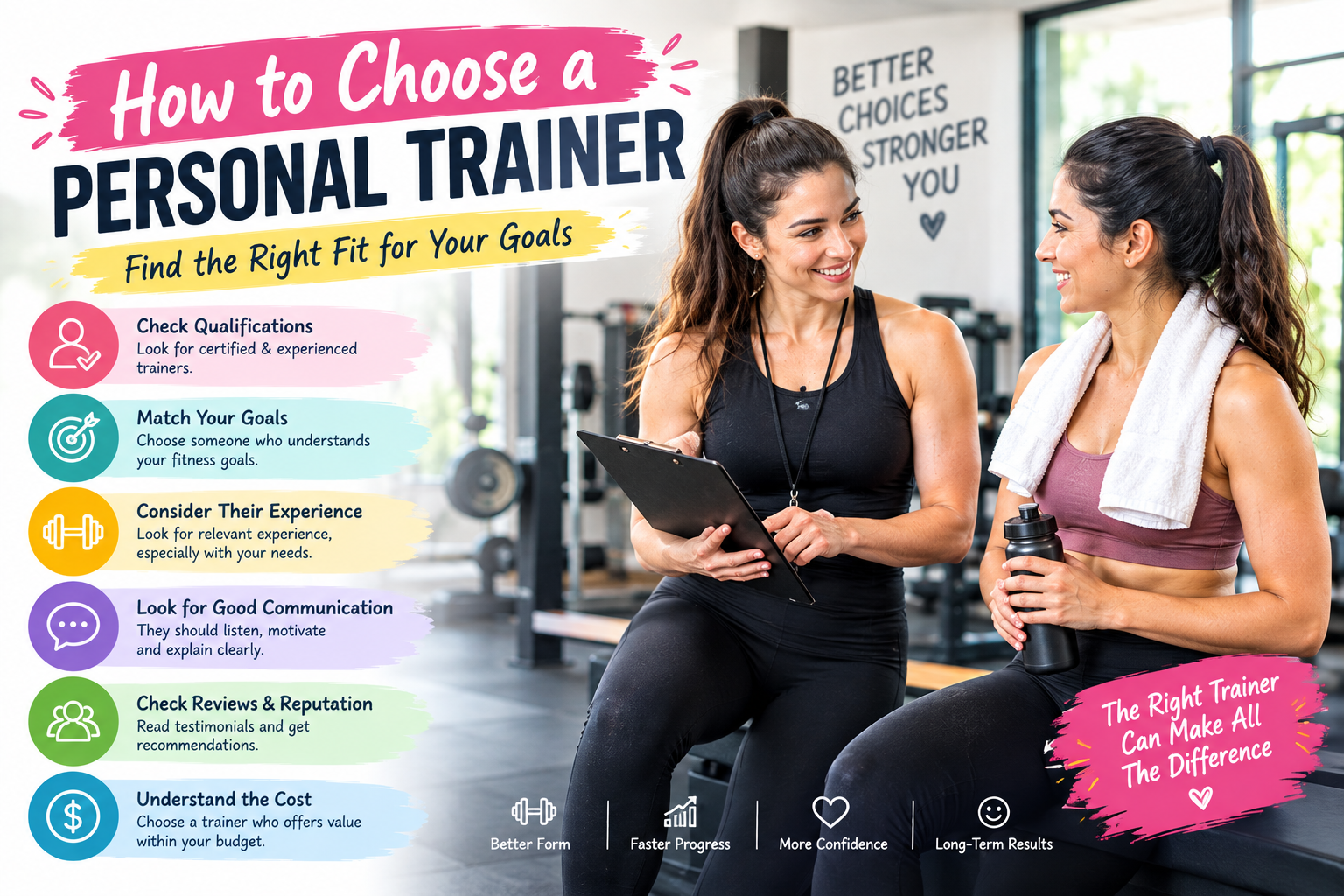
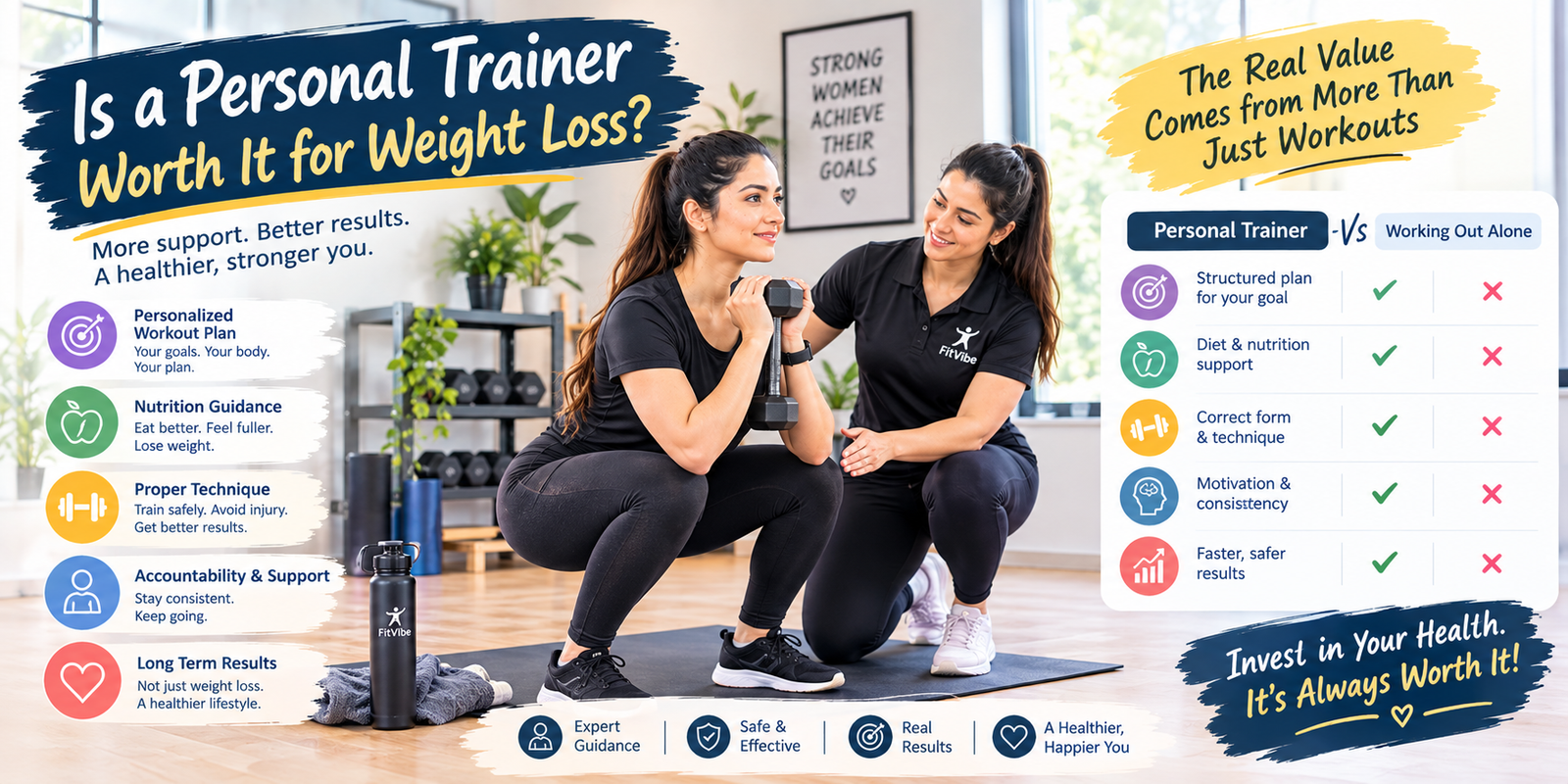
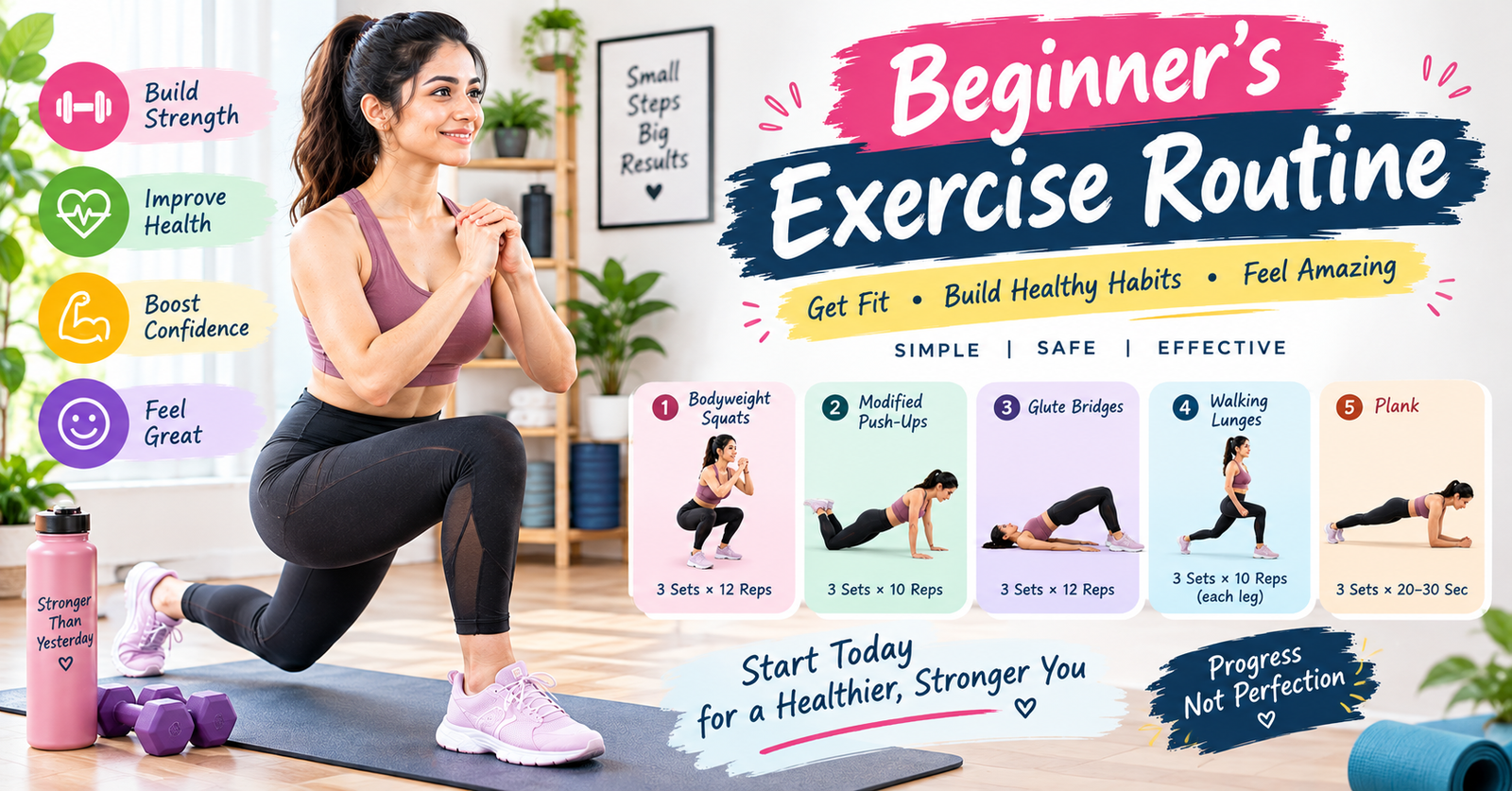
The questions you ask a personal trainer before hiring them are only as useful as your ability to evaluate the answers. Asking the right questions and accepting whatever response comes back is not a quality filter. It is a formality. The value of the interview process comes from knowing what a qualified, professional trainer sounds like when she answers these questions, what a mediocre trainer sounds like, and what a genuinely unqualified one sounds like. All three exist in the Lahore personal training market, and without this framework, most people cannot reliably tell them apart before they have already committed.
This guide covers every important question to ask a personal trainer before hiring her, and for each one, it explains what a strong answer looks like, what a weak answer signals, and what should stop you from proceeding entirely. For additional perspectives on this topic, you can also read the detailed breakdown on Dev.to and the community discussion on Quora.
Before You Ask Anything: Why the Consultation Itself Is a Quality Filter
Before covering specific questions, it is worth understanding that the consultation itself, before any question is asked, already tells you something important. A qualified professional trainer arrives prepared. She has a structure for the consultation. She asks you questions before you ask her any, because gathering your health history, goals, and physical context is the first step in building a programme for you rather than selling you a service.
A trainer who arrives to a consultation and immediately pitches her packages, rates, and transformation results before asking a single question about your health history has already revealed something about her coaching model. She is selling first and assessing second, which is the wrong sequence for anyone whose priority is your results rather than her revenue.
Pay attention to who is doing most of the talking in the first ten minutes. It should be you.
Question One: What Certifications Do You Hold and How Can I Verify Them?
This is the most important question and the one most people ask too softly. Do not ask whether she has qualifications. Ask specifically which organisation issued the certification, when it was completed, and how you can verify it independently.
What a strong answer looks like: She names a specific internationally recognised certifying body such as ACE (American Council on Exercise), NASM (National Academy of Sports Medicine), ACSM (American College of Sports Medicine), or GGS (Girls Gone Strong). She can tell you the year of certification and the date of her last renewal. She knows these credentials can be verified on the issuing organisation's website and either tells you how or offers to show you the certificate. She may hold multiple certifications covering different specialist areas.
What a weak answer looks like: She mentions a certificate from a local fitness academy, a short online course, or a workshop without naming a recognised international body. She describes her years of experience as equivalent to formal certification. She is vague about when or where the credential was obtained.
What should stop you from proceeding: She cannot name the certifying organisation. She says certifications are not necessary because she has been training clients for years. She becomes defensive when you ask to see the certificate or verify it. In Pakistan's unregulated training market, this is one of the most common patterns and one of the most significant risks to your safety and results.
Question Two: What Specialist Qualifications Do You Have That Are Relevant to My Situation?
A general personal training certification establishes baseline competency. It does not establish fitness to coach women with PCOS, postnatal clients managing diastasis recti, women in perimenopause, or clients with chronic pain and movement restrictions. These require specialist qualifications, and for many women in Lahore, at least one of these situations applies directly.
What a strong answer looks like: She identifies the specific conditions or contexts relevant to your situation and names the certifications she holds that directly address them. For a postnatal client, she should mention a Pre and Postnatal Coaching Certification and describe what it covers. For a client with PCOS, she should explain her understanding of insulin resistance, hormonal training cycles, and nutritional modifications. For a perimenopausal client, she should demonstrate understanding of how oestrogen decline affects bone density, fat distribution, and training response.
What a weak answer looks like: She says she has worked with many different clients and is adaptable. She confirms she can help without demonstrating specific knowledge of the condition you mentioned. She gives a general answer about how she designs programmes for each client individually without addressing the specific physiological requirements of your situation.
What should stop you from proceeding: She does not acknowledge the clinical significance of PCOS, diastasis recti, or other conditions you have mentioned. She says she can train anyone and that all bodies respond the same way to the same programme. For postnatal women especially, training with someone who lacks specific postnatal qualifications is a genuine physical safety risk, not just a results concern.
Question Three: What Does My First Month Look Like in Practical Terms?
This question separates trainers who have a structured methodology from those who are improvising. The answer should describe a clear, phased approach that begins with assessment, establishes a foundation, and progresses systematically. It should not be vague, immediately enthusiastic, or focused on intensity.
What a strong answer looks like: She describes a first session dedicated to health intake, movement screening, and baseline measurements before any exercise begins. She explains that the first two to four weeks focus on movement quality rather than maximal effort, building foundational patterns and identifying limitations before loading the body with greater complexity or resistance. She outlines when and how she will progress your programme and what markers she uses to determine readiness to advance.
What a weak answer looks like: She describes getting started with workouts and building from there. She emphasises how hard and varied the sessions will be. She does not mention an assessment phase, baseline measurements, or a structured progression framework. She cannot explain what your programme will look like in week four versus week one because she does not plan that far ahead.
What should stop you from proceeding: She promises you will see significant results within the first two to four weeks. She says the first session will be a full workout to assess your fitness by how much you can do. This is not an assessment. It is supervised exercise applied to an unevaluated body, and it is how injuries happen to new clients.
Question Four: How Do You Track My Progress and What Markers Do You Use?
Progress tracking is where most trainers reveal whether they understand female physiology or not. Scale weight is the least informative progress indicator for women in a training programme, particularly for women who are building muscle alongside losing fat, managing hormonal conditions that cause water retention, or in the weeks surrounding menstruation. A trainer who tracks only scale weight is not tracking your progress. She is tracking a number that tells an incomplete and often misleading story.
What a strong answer looks like: She describes tracking body measurements at the waist, hips, thighs, and upper arms alongside scale weight. She tracks strength performance in key exercises to show objective functional improvements. She may track resting heart rate, energy levels, sleep quality, and how clothing fits as additional markers. She explains that scale weight can stay the same or increase while meaningful fat loss and muscle gain are occurring, and that the other markers are what reveal this accurately. For women with PCOS or hormonal imbalances, she may also track cycle regularity and energy across the hormonal cycle as indicators of programme appropriateness.
What a weak answer looks like: She mentions weekly weigh-ins and progress photos. She does not describe body measurements or strength performance tracking. She does not acknowledge the limitations of scale weight as a standalone metric for women specifically.
What should stop you from proceeding: She says she tracks results by how you look and feel. This is not a tracking system. It is an absence of one. A trainer who cannot describe specific, measurable markers is not evaluating her own programme's effectiveness. She is asking you to trust her without giving her any mechanism to verify whether what she is doing is working.
Question Five: How Do You Adjust Sessions When I Am Unwell, Fatigued, Injured, or in a Different Phase of My Cycle?
This question directly tests whether a trainer understands the day-to-day variability of women's bodies and whether she has the clinical judgement to adapt rather than simply apply her planned session regardless of your state on a given day. It also reveals whether she has any awareness of cycle-aware training, which is a meaningful differentiator for female-specialist coaches.
What a strong answer looks like: She describes a clear modification protocol for sessions where you arrive fatigued, unwell, or with acute pain. She adjusts load, intensity, or movement selection based on how you present on the day rather than following a fixed plan without accommodation. If she has knowledge of menstrual cycle training, she will describe how the follicular and luteal phases affect energy, strength, and recovery, and how she accounts for this in her programming. She never describes pushing through significant pain.
What a weak answer looks like: She says she will adjust as needed. She says showing up is the most important thing and that doing something is always better than doing nothing. She does not describe specific modification approaches or demonstrate knowledge of how different health states require different training responses.
What should stop you from proceeding: She says she expects clients to push through fatigue or discomfort because the session is planned and consistency matters. She dismisses the relevance of the menstrual cycle to training capacity. Any trainer who normalises pushing through pain in a new client relationship has demonstrated a priority for session completion over your physical safety.
Question Six: What Is Your Approach to Nutrition and How Does It Fit Into My Programme?
Nutrition is a significant determinant of fat loss, body composition, hormonal health, and training performance, but it is also an area where unqualified advice can cause harm. A trainer who recommends specific supplements aggressively, prescribes extreme calorie targets without nutritional qualifications, or promotes elimination diets without assessing your dietary history is operating outside her professional scope. Equally, a trainer who provides no nutritional guidance at all when your goals are body composition or hormonal health is leaving a significant gap in your programme.
What a strong answer looks like: She holds a nutrition qualification such as a Diploma in Nutrition and Diet Planning and can provide integrated dietary guidance alongside your training programme. Her nutritional approach is evidence-based and personalised, beginning with an assessment of your current eating patterns rather than a prescribed plan. For clients in Lahore, she works within Pakistani food culture rather than applying Western dietary templates. She does not recommend supplements aggressively at the start of the relationship and does not make nutritional recommendations that fall outside her qualifications. She knows when to refer you to a registered dietitian or physician rather than continuing to advise beyond her scope.
What a weak answer looks like: She provides general advice such as eating more protein and less junk food without assessing your current intake or goals. She has no nutritional qualification but is confident giving dietary guidance. She recommends a specific supplement protocol in the first conversation before assessing your diet or health history.
What should stop you from proceeding: She immediately recommends specific proprietary supplements, meal replacement products, or extreme calorie restriction before any dietary assessment. She prescribes specific calorie targets or macros without a nutrition qualification. These behaviours indicate either commercial supplement motivation or a willingness to advise outside professional scope, neither of which serves your health.
Question Seven: What Happens If I Feel Pain During a Session?
The answer to this question is one of the clearest safety indicators in the entire interview. Pain during exercise is a signal from your body that something requires investigation, modification, or referral to a healthcare professional. There is no circumstance in which a qualified trainer's answer to this question should involve continuing through pain without adjustment.
What a strong answer looks like: She stops the exercise immediately when pain is reported. She distinguishes between muscle fatigue and discomfort, which are normal, and joint pain, sharp pain, or pain that persists after the session, which require investigation. She modifies the exercise or removes it from the session entirely. She refers you to a physiotherapist, doctor, or specialist when pain suggests something beyond the scope of personal training to address.
What a weak answer looks like: She says some discomfort is part of the process. She says she will keep an eye on it. She describes reducing the weight slightly and continuing. She does not describe a specific referral protocol for pain that falls outside her scope to manage.
What should stop you from proceeding: She says no pain no gain as a genuine training philosophy. She says pushing through discomfort builds resilience. She minimises reported pain without investigating it. Any of these responses indicate a trainer who prioritises session completion over client safety. This is the most significant immediate safety risk in personal training and it is non-negotiable.
Question Eight: What Does Your Communication Look Like Between Sessions?
Personal training results are built inside sessions and outside them. A trainer who is inaccessible between sessions, who does not follow up on how you are recovering or how your lifestyle is tracking against your programme, is delivering a service that stops when the session ends. A qualified, invested coach maintains a communication structure between sessions that supports your accountability and allows her to adjust your programme based on information that arises between your meetings.
What a strong answer looks like: She describes a clear communication channel such as WhatsApp, email, or a training platform where you can ask questions, report how you are feeling, or flag concerns between sessions. She checks in on your energy, sleep, and nutrition periodically between sessions because these factors directly affect what the next session should look like. She is responsive within a reasonable timeframe, typically twenty-four hours for non-urgent questions. She may provide home routines or rest day guidance as part of the overall programme rather than treating sessions as self-contained appointments with no connection to the days between them.
What a weak answer looks like: She says you are welcome to message her if you have questions. She does not describe proactive check-ins or between-session support as part of her service. She says the sessions cover everything you need.
What should stop you from proceeding: She says she does not communicate between sessions because that time is not included in the package rate. Accountability and programme continuity are core functions of professional coaching, not extras that require separate payment. A trainer who treats between-session support as a premium add-on rather than a baseline coaching behaviour is treating you as a booking rather than a client.
Question Nine: What Is Your Cancellation and Rescheduling Policy?
This is a practical question that many people feel awkward asking but should not. Understanding the policies before you commit prevents financial and logistical conflicts later. A professional trainer will have clear, written policies and will explain them without defensiveness.
What a strong answer looks like: She has a clear cancellation window, typically twenty-four hours notice, after which the session is either forfeited or subject to a cancellation fee. She applies the same policy to herself, offering a replacement session or alternative if she cancels with less than the required notice. She is clear about whether sessions carry over between weeks or expire. She provides this information in writing as part of her client agreement.
What a weak answer looks like: She says it is flexible and she will work things out as they come. This sounds accommodating but often leads to unclear expectations and financial disagreements later.
What should stop you from proceeding: She has no policy at all and handles everything case by case. A trainer with no administrative structure is typically operating without professional accountability, which often extends to her programming and communication as well.
Question Ten: Can I Do a Trial Session Before Committing to a Package?
A trial session is the most reliable source of information about what an ongoing coaching relationship with a trainer will actually look like. Every claim made during a consultation is theoretical. The trial session is observable evidence. A qualified trainer will offer a trial session readily because she is confident in what you will experience.
What a strong answer looks like: She says yes and describes what the trial session will involve, typically an abbreviated version of her full assessment and intake process followed by an introductory movement session. She does not charge a premium for the trial or make it feel like an exception. She may not call it a trial session but should offer some form of initial session before a package commitment is requested.
What a weak answer looks like: She says she does not offer trial sessions but you can buy a single session before committing. This is not unreasonable, but pay attention to whether the single session includes a proper assessment or is simply a regular workout presented as a taster.
What should stop you from proceeding: She refuses a trial session and requires full package payment upfront before any session has occurred. A trainer who will not allow you to experience her coaching before a financial commitment is protecting herself from client dissatisfaction rather than earning your confidence through quality.
How to Use This Framework at Fit Vibe Trainer
At Fit Vibe Trainer, we encourage every woman to bring this framework to her consultation with us. Our ACE certified coach holds qualifications spanning GGS Women's Coaching Specialist, Pre and Postnatal Coaching Certification, Diploma in Nutrition and Diet Planning, Diploma in Physical Fitness and Exercise Science, Functional Training and Conditioning Certification, and Postpartum Fitness and Recovery Certification including diastasis recti management and pelvic floor rehabilitation. Every certification is verifiable through its issuing organisation.
Every new client begins with a full health intake and movement screen before any exercise is designed. Every programme is periodised, progressively structured, and tracked through multiple markers of progress. Between-session communication is a standard part of the coaching relationship, not a premium. And trial sessions are available so you can experience the coaching before making a financial commitment.
We offer in home sessions across Lahore, studio sessions at Dream Gardens, and live online coaching for women in Pakistan and internationally.
For more on what to look for in a female trainer beyond the questions covered here, read our detailed guide: what should you look for in a female personal trainer.
To understand what the first session with a qualified trainer should actually look like, read: what to expect from your first personal training session.
To understand how to navigate the selection process specifically in Lahore, read: how to choose the right female personal trainer in Lahore.
For a full overview of our services for women in Lahore and internationally, visit: female personal trainer in Lahore.
Book a free consultation today and bring every question in this guide. You will have a clear answer within thirty minutes.
Find us on Google and read genuine reviews from women who evaluated us against exactly this standard.
Frequently Asked Questions
What are the most important questions to ask a personal trainer before hiring?
The most important questions cover: what certifications she holds and how to verify them, what specialist qualifications are relevant to your specific health situation, what your first month will look like in practical terms, how she tracks progress beyond scale weight, how she handles pain during sessions, how she adjusts for fatigue or cycle-related energy changes, what her nutrition approach and qualifications are, what between-session communication looks like, and whether a trial session is available before package commitment.
What should a personal trainer say about certifications?
A qualified personal trainer should name a specific internationally recognised certifying body such as ACE, NASM, or ACSM, provide the year of certification and renewal date, and confirm that credentials can be verified on the issuing organisation's website. She should be comfortable showing you the certificate and directing you to verify it independently. Vague answers, defensive responses, or claims that experience substitutes for certification are red flags that the credentials either do not exist or are from organisations that carry no international standing.
What questions should I ask a personal trainer about nutrition?
Ask whether she holds a recognised nutrition qualification, how she assesses your current dietary habits before making recommendations, how she integrates nutritional guidance into your training programme, what her approach is to clients managing conditions like PCOS or hormonal imbalances that require dietary modification, and how she decides when to refer you to a registered dietitian rather than advising within her own scope. Aggressive supplement recommendations at the start of the relationship before any dietary assessment is a significant warning sign.
How do I know if a personal trainer's answer to my questions is good or bad?
Strong answers are specific, structured, and demonstrate clinical knowledge of your situation. They involve a trainer who listens more than she talks, asks follow-up questions about your health context, describes a clear and phased approach to your first weeks of training, and is honest about realistic timelines. Weak answers are vague, generic, and pivot quickly to selling packages or making transformation promises. Red flag answers involve dismissing the clinical relevance of conditions you have mentioned, normalising pain during training, or requiring full payment before any session has occurred.
Should I ask for a trial session before hiring a personal trainer?
Yes. A trial session is the most reliable predictor of what an ongoing coaching relationship will look like. Use it to observe whether she conducts a health intake before exercise, corrects your form in real time, calibrates intensity to your actual capacity, and makes you feel coached specifically rather than just supervised. A qualified trainer will offer a trial session readily and will not require full package payment before you have experienced her coaching at least once.
What should I ask a personal trainer about injury and pain?
Ask specifically what she does when a client reports pain during a session. A qualified trainer stops the exercise, distinguishes between normal training discomfort and pain that requires investigation, modifies or removes the movement from the session, and refers to a physiotherapist or doctor when pain falls outside her scope to manage. Any answer that involves pushing through pain, reducing weight and continuing, or dismissing reported discomfort as part of the process is a direct safety risk and should end the conversation.
What questions should women with PCOS ask a personal trainer?
Ask whether she has specialist knowledge of PCOS, specifically how insulin resistance affects training response and fat metabolism, how she structures programmes differently for women with PCOS versus women without the condition, what nutritional modifications she understands to support insulin sensitivity, and whether she holds any qualifications in women's hormonal health such as GGS Women's Coaching Specialist. A generic answer about designing programmes for everyone individually, without demonstrating specific knowledge of PCOS physiology, indicates a trainer who will apply a standard template to a situation that requires specialist adjustment.
What questions should I ask a personal trainer about progress tracking?
Ask specifically which markers she tracks alongside scale weight and how frequently she reassesses them. A qualified trainer describes body measurements at the waist, hips, thighs, and arms, strength performance in key exercises, resting heart rate, energy levels, sleep quality, and how clothing fits, all of which provide more complete and more accurate information about what a woman's body is doing than scale weight alone. Ask how she explains periods of no scale movement and whether she understands the impact of hormonal cycles on daily weight fluctuation. A trainer who tracks only scale weight does not understand the physiology of female body composition change well enough to evaluate her own programme.
Ready to put this into action?
Train 1-on-1 or in a group with Amna — your first discovery call is completely free. Female-only, fully online, results you can see.
Book My Free Call on WhatsApp →