Somewhere between school runs, work deadlines, meal prep, and the hundred small things a household needs every day, exercise is usually the first thing that gets dropped. Not because you don't care about your health — but because a workout is the one item on your to-do list that nobody else is waiting on. The laundry has a deadline. Your child's homework has a deadline. Your workout doesn't, so it keeps sliding to tomorrow.
If that sounds familiar, you don't have a motivation problem. You have a system problem. The women who stay consistent with exercise for years — not just for a few weeks after New Year's — aren't the ones with more free time or more willpower. They're the ones who've built a routine that survives a busy, unpredictable family life. This guide walks through exactly how to do that, with practical strategies you can start using this week, plus a few notes for working and stay-at-home moms here in Lahore who are juggling the same schedule pressures with fewer nearby options.
Stop Aiming for the "Perfect" Routine
Most busy moms don't fall off exercise because they lack discipline. They fall off because they set a plan built for someone with no children and no job — five days a week, an hour each time, a strict meal plan attached — and life makes that plan impossible within two weeks. When the plan breaks, it feels like you broke it, so you quit entirely.
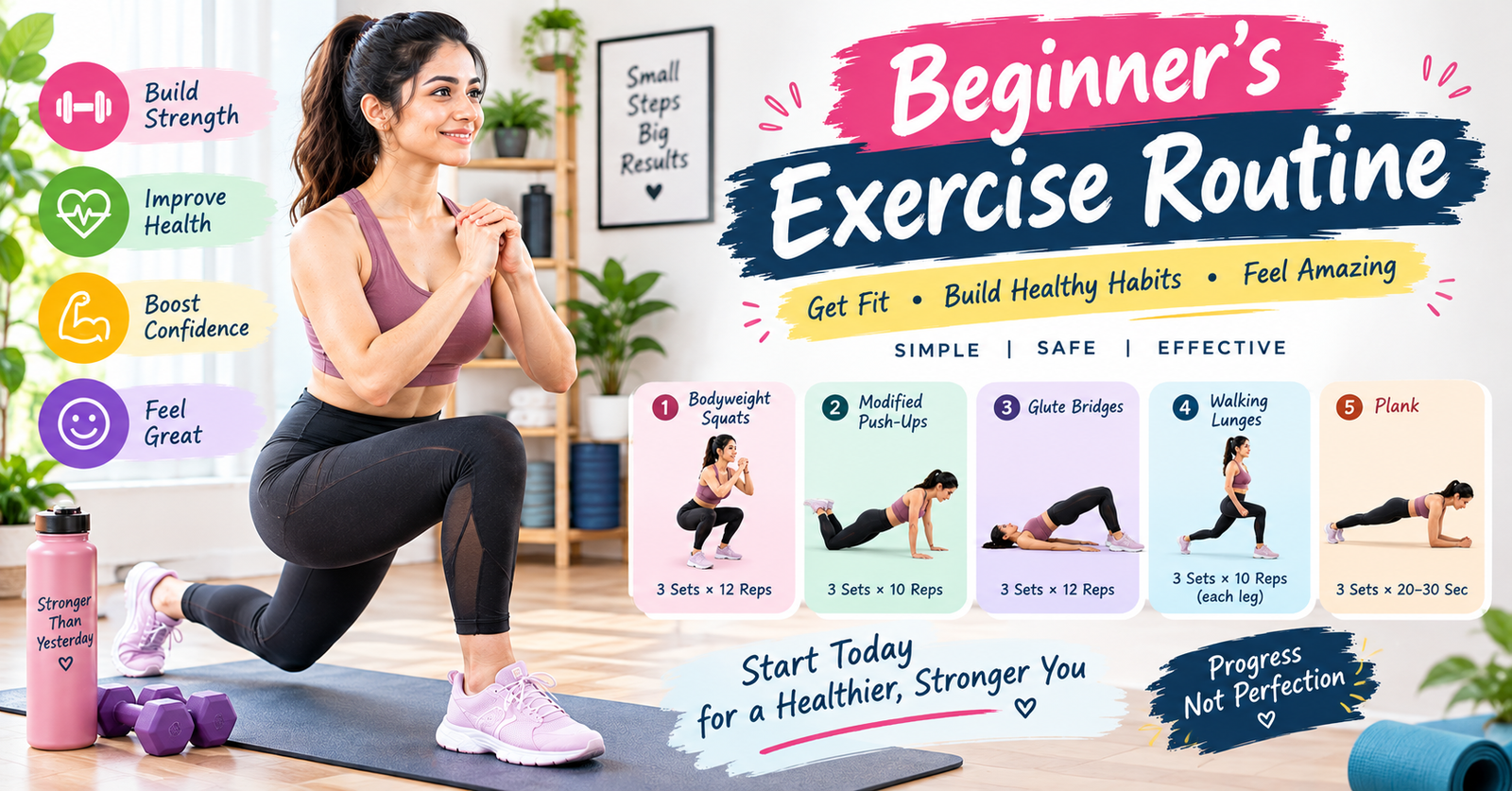
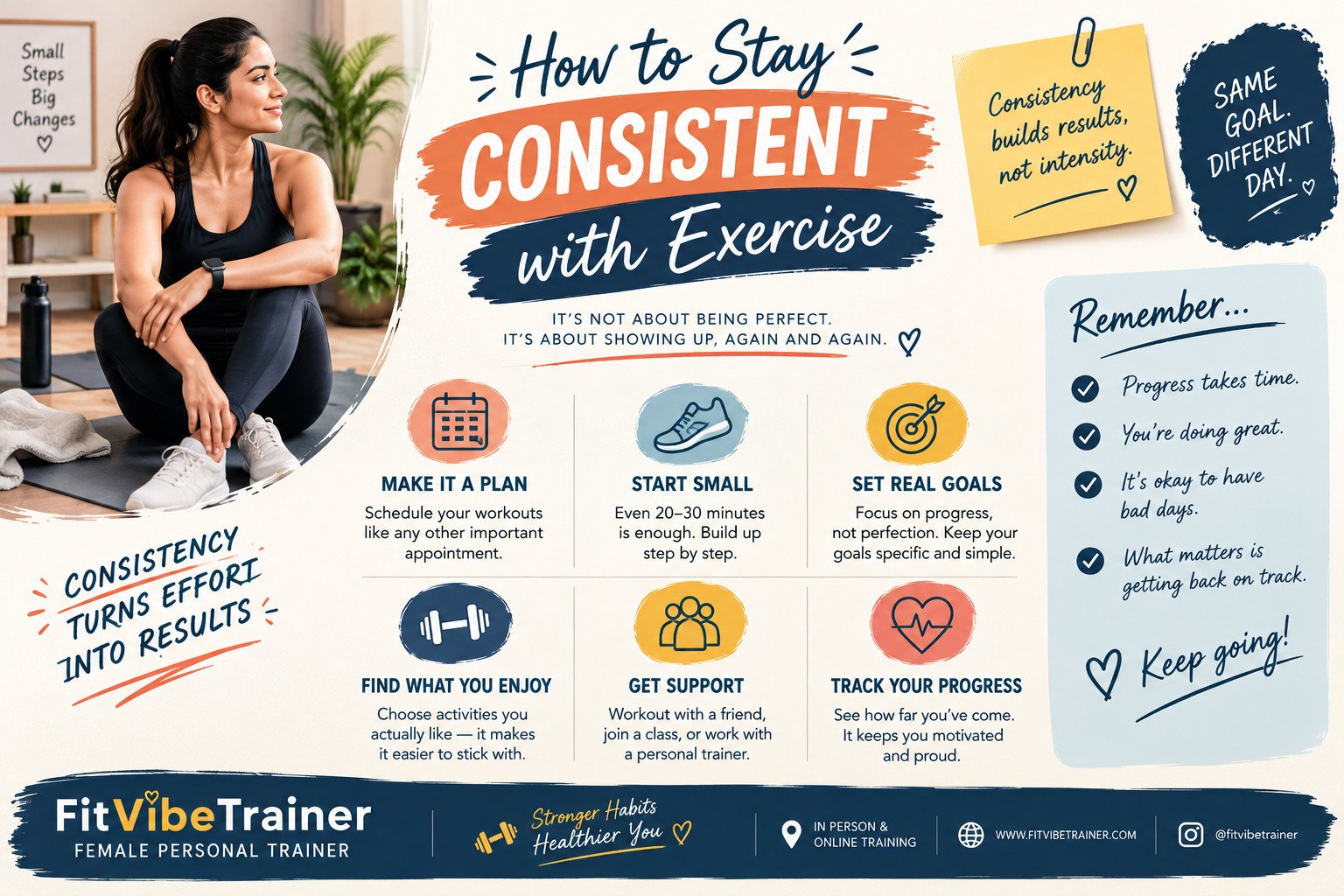
Flip that. Build a routine so minimal it's almost impossible to skip. Three sessions a week, 20 to 30 minutes each, is enough to build real strength, protect your metabolism, and noticeably improve your energy and mood. Once that becomes automatic, and only then, you add more. A small routine you actually do beats an ambitious one you abandon by week three.
Schedule Workouts the Way You Schedule School Pickup
You never "find time" for the school run — it's simply on the schedule, so everything else is arranged around it. Exercise needs the same status. If it lives in the vague category of "things I'll do if I have time," it will lose to literally everything else on your day, because everything else has already claimed a fixed slot.
Pick two or three specific time blocks this week — right after drop-off, during your child's nap, after they're asleep at night — and write them into your calendar like a client meeting. When a workout has a fixed slot, you stop negotiating with yourself about whether today is a good day for it.
Break It Into Micro-Workouts
You don't need a spare hour to make progress. Research on exercise consistency consistently shows that splitting activity into shorter blocks — say, three 10-minute sessions across the day — produces results comparable to one longer session. For a mother juggling a toddler's nap schedule or a full workday, that flexibility matters more than any specific workout plan.
A realistic micro-workout day might look like: 10 minutes of bodyweight strength work before the kids wake up, a brisk 10-minute walk while on a work call, and 10 minutes of stretching or core work after dinner. None of those feel like "a workout" on their own, but stacked together they add up to a real training session — and they're far easier to protect on a chaotic day than one uninterrupted hour.
Habit-Stack Onto Routines You Already Have
The easiest habits to keep are the ones attached to something you're already doing without thinking. Instead of trying to build exercise into your day from scratch, attach it to a routine that already exists:
- While the kettle boils for your morning chai, do a set of squats or wall push-ups.
- While supervising homework, do standing calf raises or seated leg lifts.
- Park or get dropped a little further from the school gate and walk the rest of the way.
- Do a short stretching routine on the mat while your child plays nearby.
None of these need extra time carved out of your day — they borrow minutes you're already spending on something else.
Make Family Time and Fitness Time the Same Thing
One of the biggest shifts for busy parents is realizing you don't have to choose between exercising and spending time with your kids. Involve them instead of working around them:
- Go for a family walk after dinner instead of everyone scattering to separate screens.
- Turn park visits into active time — walk laps while your kids play, instead of sitting on a bench.
- Let toddlers "join in" during your home workout with their own small mat beside yours.
- Make weekend outings active — a walk, cycling, or simply chasing a ball around the garden.
These moments count as real movement, and they quietly teach your children that exercise is a normal, enjoyable part of life rather than a chore adults dread.
Reduce the Friction Between You and Your Workout
Consistency usually breaks down at the smallest possible obstacle — you can't find your leggings, the gym bag isn't packed, you have to think of what to do before you can start. Every extra decision is a chance to talk yourself out of it. Remove as many of those decisions in advance as you can:
- Lay out your workout clothes the night before.
- Keep a mat, a pair of dumbbells, or a resistance band somewhere visible at home, not packed away in a cupboard.
- Have two or three go-to workouts ready so you never have to spend energy deciding what to do.
- If you train online, keep your session link or video saved and ready to open — no searching required.
Get Someone in Your Corner
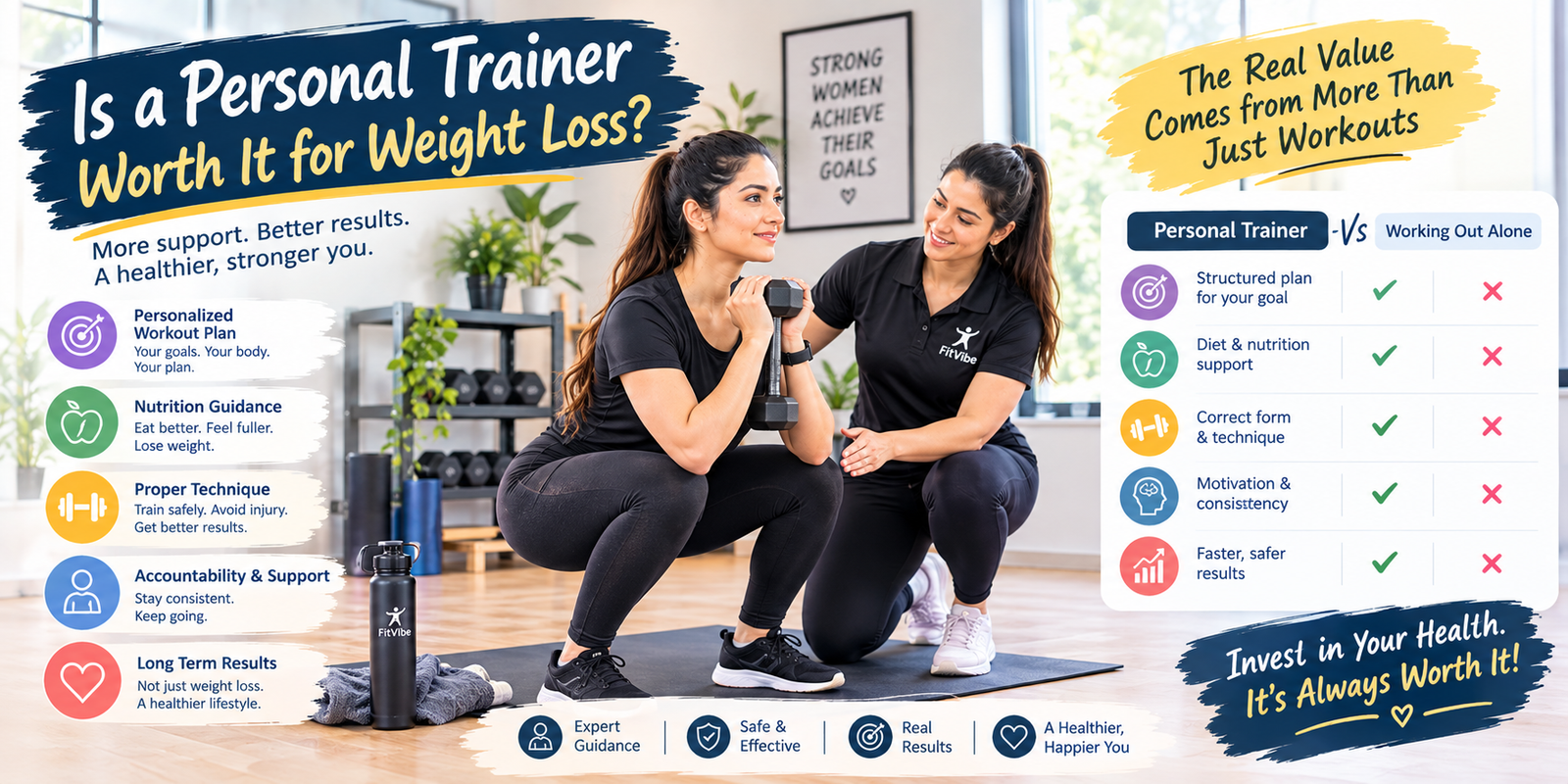
It's far easier to skip a workout you only owe to yourself than one someone else is expecting you to show up for. A workout buddy, a fitness group, or a coach checking in on your progress adds a layer of accountability that willpower alone can't match on a tired Tuesday evening.
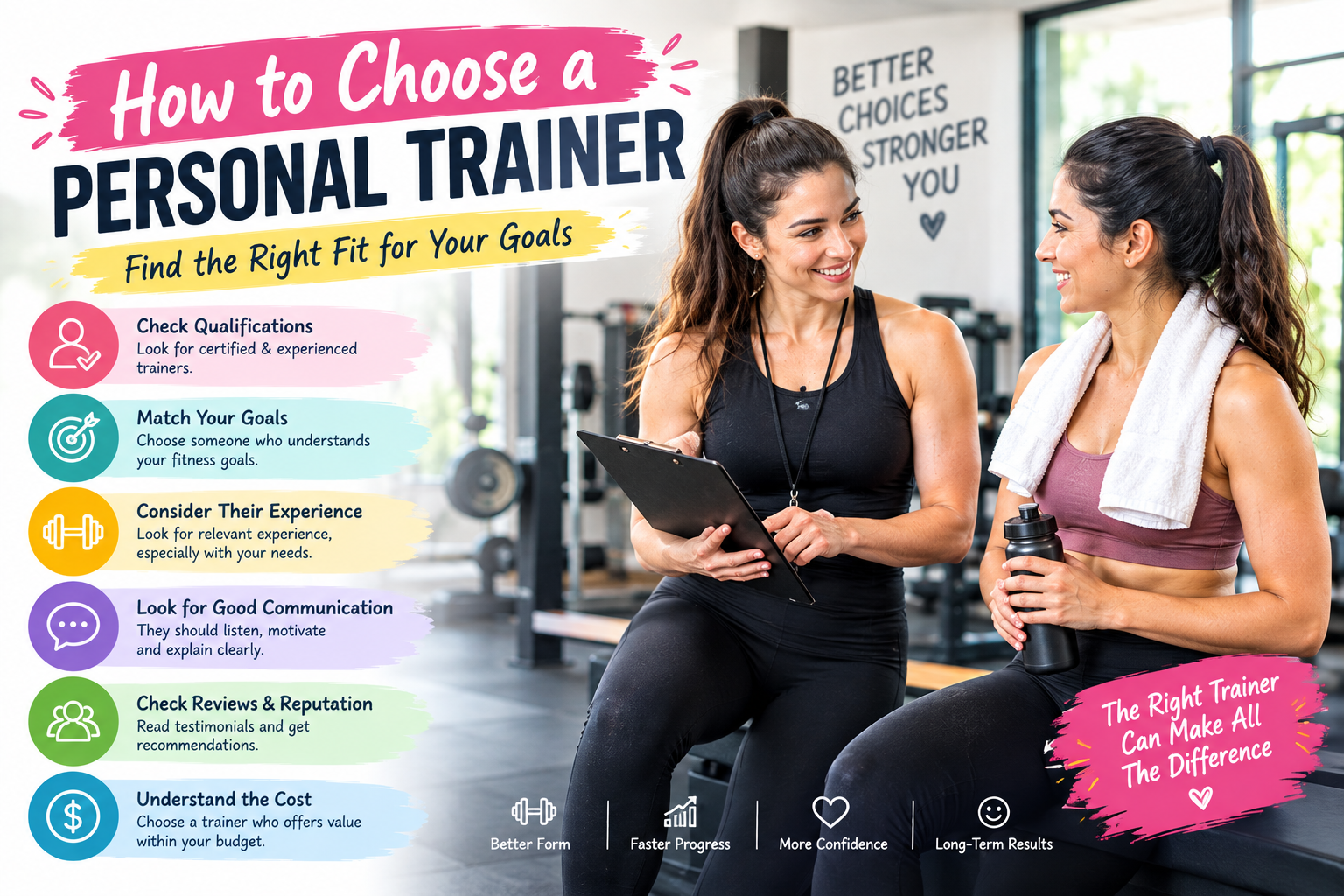
This is exactly why so many busy moms end up doing better with structured coaching than with a generic app or a plan they wrote themselves. At Fit Vibe Trainer, sessions are built around real schedules — in person across DHA, Johar Town, Gulberg, Bahria Town, and Model Town for clients in Lahore, or online for anyone who needs a workout that fits around school runs, work calls, and everything in between, including programming for postpartum recovery, PCOS, and posture correction. A coach doesn't just hand you a plan; they adjust it to your actual week and keep you accountable to it.
Track More Than the Scale
If weight loss is the only marker of progress you're watching, motivation dies fast — weight fluctuates for a dozen reasons that have nothing to do with your effort. Track the things that move consistently instead: the weight you're lifting, how many workouts you completed this week, how your clothes fit, how you sleep, how much energy you have by mid-afternoon. Seeing that column of completed workouts grow week after week is its own motivation, independent of anything the scale says.
Plan for the Weeks That Fall Apart
Some weeks, a sick child, a work deadline, or a family event will take over your entire schedule, and exercise won't happen. That's not a failure — it's a normal part of a busy family life, and the only thing that determines whether it derails you is what you do next.
The rule that actually protects consistency isn't "never miss a workout." It's "never miss twice in a row." One missed session is simply life. Two in a row is the beginning of a new, harder-to-break pattern. When a bad week happens, don't try to make it up all at once — just return to your normal schedule at the next opportunity and keep going.
Don't Skip Recovery
Busy parents often swing between two extremes — skipping workouts entirely, or trying to cram in intense sessions to "make up for lost time," which usually leads to burnout, soreness, or injury within a few weeks. Recovery is part of the routine, not a break from it. Prioritize sleep where you can, stay hydrated, and build at least one full rest day into your week. A sustainable pace beats an aggressive one that collapses by month two.
For Working and Stay-at-Home Moms in Lahore
Balancing exercise with a busy family life comes with a few extra layers here — hot summers that push outdoor activity indoors, limited women-only gym spaces in some areas, and cultural expectations that leave little time in the day that's truly your own. That's exactly why flexible, women-focused coaching matters. Whether it's a 30-minute in-home session while your child naps, or an online program you can follow between work meetings, the routine has to bend around your life, not the other way around. If you're looking for a starting point built specifically for women managing all of this, our earlier piece on simple exercise-consistency tips for women and this related roundup on staying consistent with a busy schedule are worth a read alongside this guide.
The Bottom Line
You don't need more hours in your day to become consistent with exercise — you need a routine small enough to survive your actual schedule, scheduled like a real appointment, broken into pieces that fit around your family, and backed by someone keeping you accountable. Start with three short sessions this week. Don't aim for perfect. Aim for repeatable.
Frequently Asked Questions
How many days a week should a busy mom exercise?
Three sessions a week is a realistic, sustainable starting point for most busy parents. It's enough to build real strength and energy without adding pressure that causes burnout. Once three sessions feel automatic, add a fourth.
What if I only have 15 minutes to work out?
Use it. A focused 15-minute strength or bodyweight circuit still trains your muscles, raises your heart rate, and keeps the habit alive. Consistent short sessions beat occasional long ones.
How do I stay consistent when I keep missing workouts?
Stop treating a missed workout as failure. Consistency is measured over months, not days. The rule that matters: never miss twice in a row.
Is online coaching effective for busy moms?
Yes, especially when your schedule changes week to week. It removes commute time, lets you train whenever a gap opens up, and still gives you the structure and accountability of a trainer tracking your progress.
Ready to build a routine that actually fits your week? Get in touch with Fit Vibe Trainer for in-person training across Lahore or online coaching wherever you are.
Ready to put this into action?
Train 1-on-1 or in a group with Amna — your first discovery call is completely free. Female-only, fully online, results you can see.
Book My Free Call on WhatsApp →