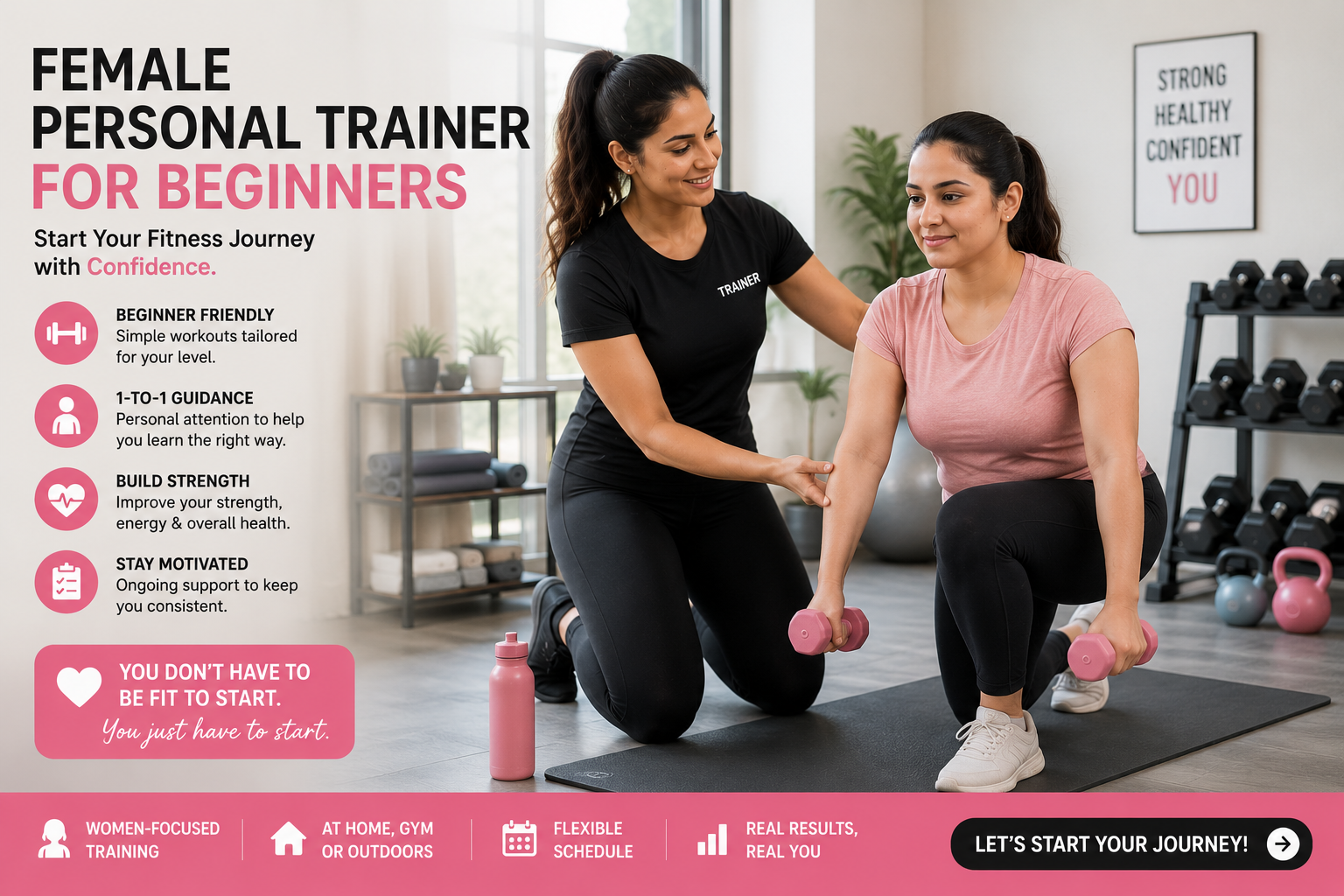
A female personal trainer for beginners does not just show you how to exercise. She builds a plan around your current fitness level, your goals, your schedule, and any physical limitations you have, then coaches you through it step by step. If you have never worked with a trainer before, the first month is not about transformation. It is about foundation, and knowing what that foundation looks like week by week makes the whole experience far less intimidating.
This is exactly what your first month looks like when you hire a female personal trainer as a complete beginner.
Why Beginners Specifically Benefit from a Female Personal Trainer
Many women who are new to fitness feel uncomfortable training in mixed gym environments or working with male trainers they have just met. This is completely understandable. A female personal trainer creates a space where you can ask basic questions without embarrassment, discuss concerns like postpartum recovery, hormonal changes, joint pain, or body confidence, and move at a pace that feels right for you without feeling judged.
Research consistently shows that women who train in a comfortable, supportive environment are more consistent, more honest about their limitations, and more likely to stick with their routine long term. Comfort is not a luxury in beginner training. It is a direct performance factor.
Week One: Assessment, Not Exercise
Most beginners are surprised to learn that their first session with a female personal trainer is not a workout. It is an assessment. Your trainer needs to understand your starting point before she can design anything useful for you.
During your first week, a qualified female personal trainer will typically cover the following.
- Health and lifestyle intake. She will ask about your medical history, any injuries or chronic pain, your sleep, your stress levels, your daily activity, and your diet habits. Be as honest as possible here. This information directly shapes every session that follows.
- Goal setting. Not vague goals like "lose weight" or "get fit," but specific, realistic targets. Do you want to lose a particular amount of weight? Build strength for daily life? Recover fitness after pregnancy? Manage a health condition? Your trainer will help you define this clearly.
- Movement screening. She will watch how you squat, hinge, stand, and walk. This is not about judging your form. It is about identifying muscle imbalances, posture patterns, or mobility restrictions that need to be addressed before loading your body with heavier exercise.
- Baseline measurements. Depending on your goals, she may record your weight, measurements, resting heart rate, or body fat percentage so you have a starting point to compare against later.
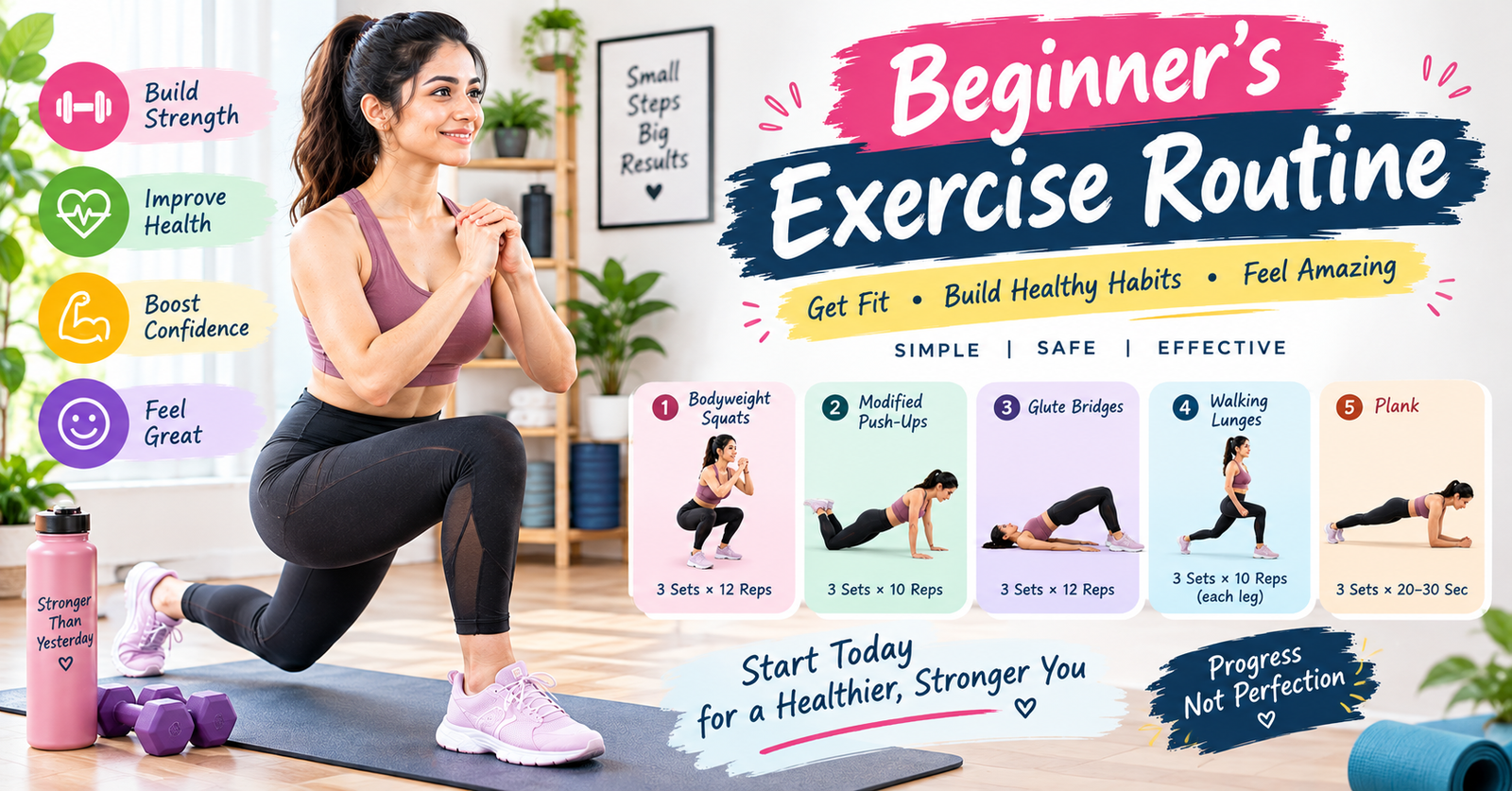
By the end of week one, your trainer has a clear picture of where you are and where you are going. Some beginner clients also receive their first light movement session at the end of this week, usually a short and simple introduction to basic exercises like bodyweight squats, modified push ups, and core breathing.
Week Two: Learning the Foundations
Week two is where training begins in earnest, but the pace stays intentionally slow. Your female personal trainer will introduce you to fundamental movement patterns rather than complex exercises. This is the most important phase of your entire fitness journey, even though it feels the least impressive.
The foundational movements most beginners learn in week two include the following.
- The squat pattern. Learning to sit back and down with control, keeping your chest up and knees tracking over your toes. You will likely do this with just your bodyweight before any resistance is added.
- The hip hinge. The movement behind deadlifts, Romanian deadlifts, and glute bridges. Your trainer will teach you to bend from the hips rather than the lower back, which is one of the most injury preventing skills you will build.
- Pushing and pulling. Basic upper body movements, often starting with wall push ups or resistance band rows, to begin building shoulder, chest, and back strength safely.
- Core activation. Not crunches. Proper core activation, including learning to breathe correctly under exertion and engage your deep abdominal muscles, is foundational for every other movement you will do.
Expect soreness after week two sessions. This is called delayed onset muscle soreness, and it is completely normal. Your trainer will advise you on how to manage it, typically with light movement, hydration, and rest. She will not push you through sessions that make the soreness worse.
Week Three: Building Consistency and Confidence
By week three, the movements that felt foreign in week two start to feel familiar. This is when most beginner clients notice a meaningful shift in confidence. You know what to expect from your sessions, your body has adapted to the initial stimulus, and the soreness that hit hard in week two is usually much milder now.
Your female personal trainer will begin to progress your sessions in small, controlled ways during week three. This might look like adding a resistance band to your squats, increasing the range of motion on your hip hinge, or introducing a new movement like a Romanian deadlift or a dumbbell row.
Week three is also typically when your trainer begins checking in on your lifestyle habits outside of sessions. She may ask about your sleep, your hydration, your eating habits, and your stress. This is not because she is judging your lifestyle. It is because fitness results are built inside the gym and outside it, and a good trainer understands that both matter equally for a beginner.
If you are doing two to three sessions per week, which is the typical recommendation for beginners, week three is also when your trainer may give you a simple home routine to do on your rest days. This keeps your momentum going without overloading your recovery.
Week Four: Your First Real Progress Check
Week four is a milestone. By now you have completed roughly eight to twelve sessions depending on your schedule, your body has begun to adapt, and your trainer has enough information to evaluate how the plan is working.
During your week four check in, a qualified female personal trainer will typically do the following.
- Revisit your baseline measurements. Visible results in four weeks are possible but vary widely from person to person. What you will almost certainly notice is improved energy, better sleep, reduced stiffness, and stronger performance in your sessions, even if the scale has not moved dramatically yet.
- Review your goal progress. Are the original goals still accurate? Many beginners discover new goals during their first month. Perhaps you came in for weight loss but found you love strength training. Perhaps you realized your back pain is reducing and that becomes the priority. Your plan adapts to you.
- Progress the program. Week four typically marks the transition from a pure beginner program to a slightly more advanced phase. Your trainer will increase resistance, introduce new exercises, or restructure your training split to keep your body challenged and your progress moving.
Most clients who complete a full first month with a consistent female personal trainer report that they feel more capable, more confident, and more informed about their own body than they have in years. The first month is not about dramatic transformation. It is about building the physical literacy and the habits that make transformation possible.
What to Expect from Your Trainer Throughout the First Month
A good female personal trainer does more than count your reps. Here is what her role actually looks like across your first month as a beginner.
- Form correction in real time. Every repetition matters more at the beginner stage than at any other point in your training. Your trainer watches your movement quality and corrects it immediately, which prevents injury and builds better habits from the start.
- Pacing your effort. Beginners consistently underestimate or overestimate effort. Your trainer calibrates your intensity based on your fitness level, not on what she thinks you should be able to do or what someone else in the room is doing.
- Answering your questions. No question is too basic. What should I eat before a session? Why are my knees clicking? Is this soreness normal? A qualified trainer expects and welcomes these questions from beginners.
- Keeping you accountable without pressure. The accountability structure of working with a trainer is one of the strongest predictors of long term adherence for beginners. Knowing someone is expecting you shows up for you matters, especially in the early weeks when habits are not yet formed.
How Many Sessions Per Week Does a Beginner Need
Two to three sessions per week is the most effective and sustainable frequency for most beginners. This gives your body adequate recovery time while building the consistency that produces results. More is not better at the beginner stage. Your body adapts to training during rest, not during the sessions themselves, and overloading a beginner's body too quickly is one of the most common causes of early dropout and injury.
If two to three sessions per week with a trainer is not possible due to budget or schedule, one session per week combined with a trainer designed home routine is still a highly effective model for beginners.
Online vs In Home Sessions for Beginner Women
Both options work well for beginners, and the right choice depends on your circumstances.
- In home sessions give your trainer direct access to your space, allowing her to see your environment, use your available equipment, and provide hands on form correction. Many women who are new to fitness prefer this because there is no gym to navigate and no unfamiliar environment to manage.
- Online coaching sessions offer flexibility in location and scheduling, which is especially valuable for women managing family, work, or other commitments. Video sessions with a qualified female trainer are fully effective for beginner programming when done consistently.
At Fit Vibe Trainer, we offer both in home sessions in Lahore and live online coaching worldwide, so you can start in whatever format suits your life right now.
Questions to Ask Before Hiring a Female Personal Trainer
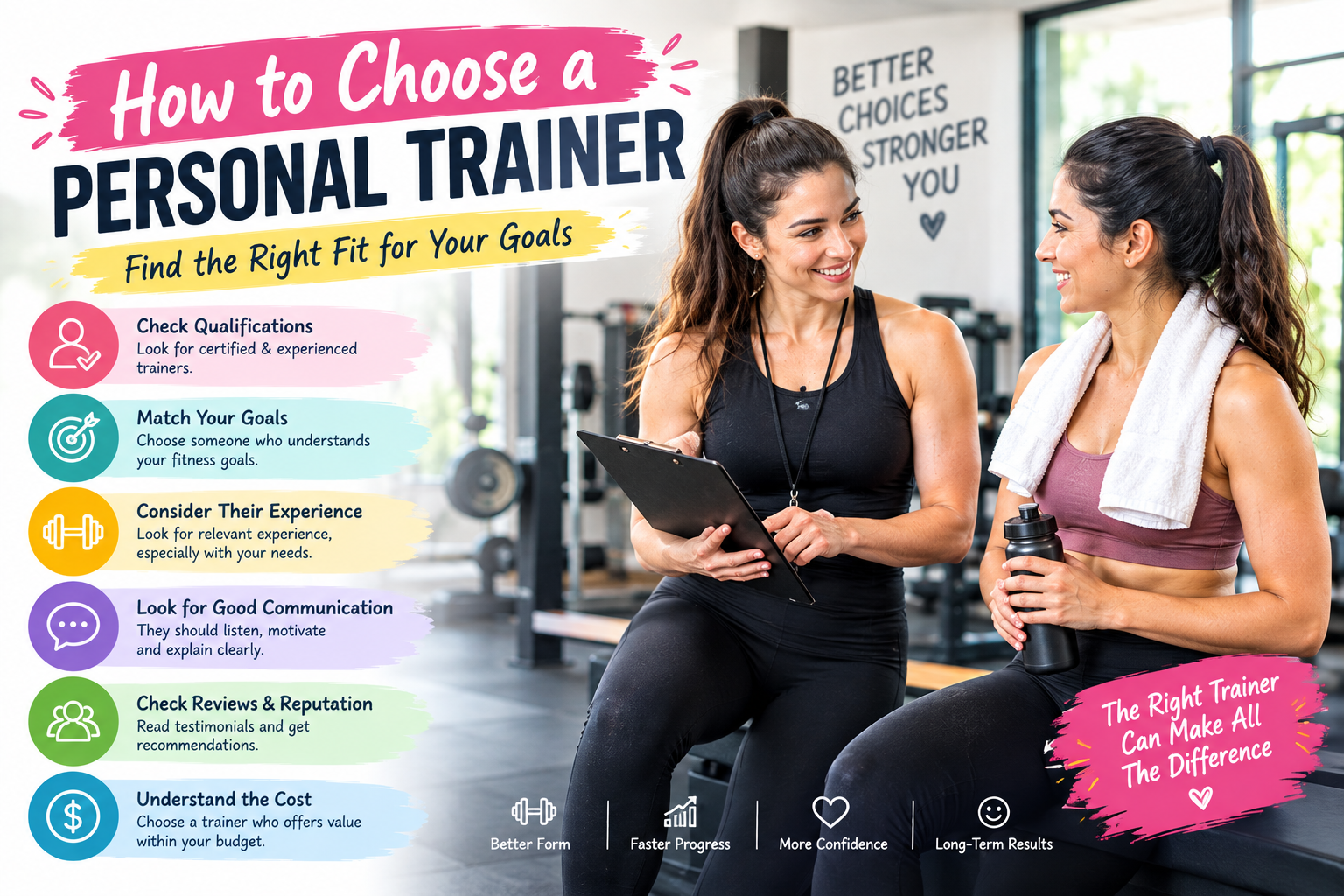
As a beginner, you are not just buying sessions. You are entering a coaching relationship. These are the questions worth asking before you commit.
- What certifications do you hold and how long have you been training women?
- Have you worked with complete beginners before and what does your typical beginner program look like?
- Do you offer an initial assessment or consultation before the first paid session?
- How do you handle injuries, chronic conditions, or postpartum recovery?
- What does your communication look like between sessions?
A confident, experienced trainer will answer all of these clearly. If the answers feel vague or rushed, trust that instinct.
Frequently Asked Questions
Is it worth hiring a female personal trainer as a complete beginner?
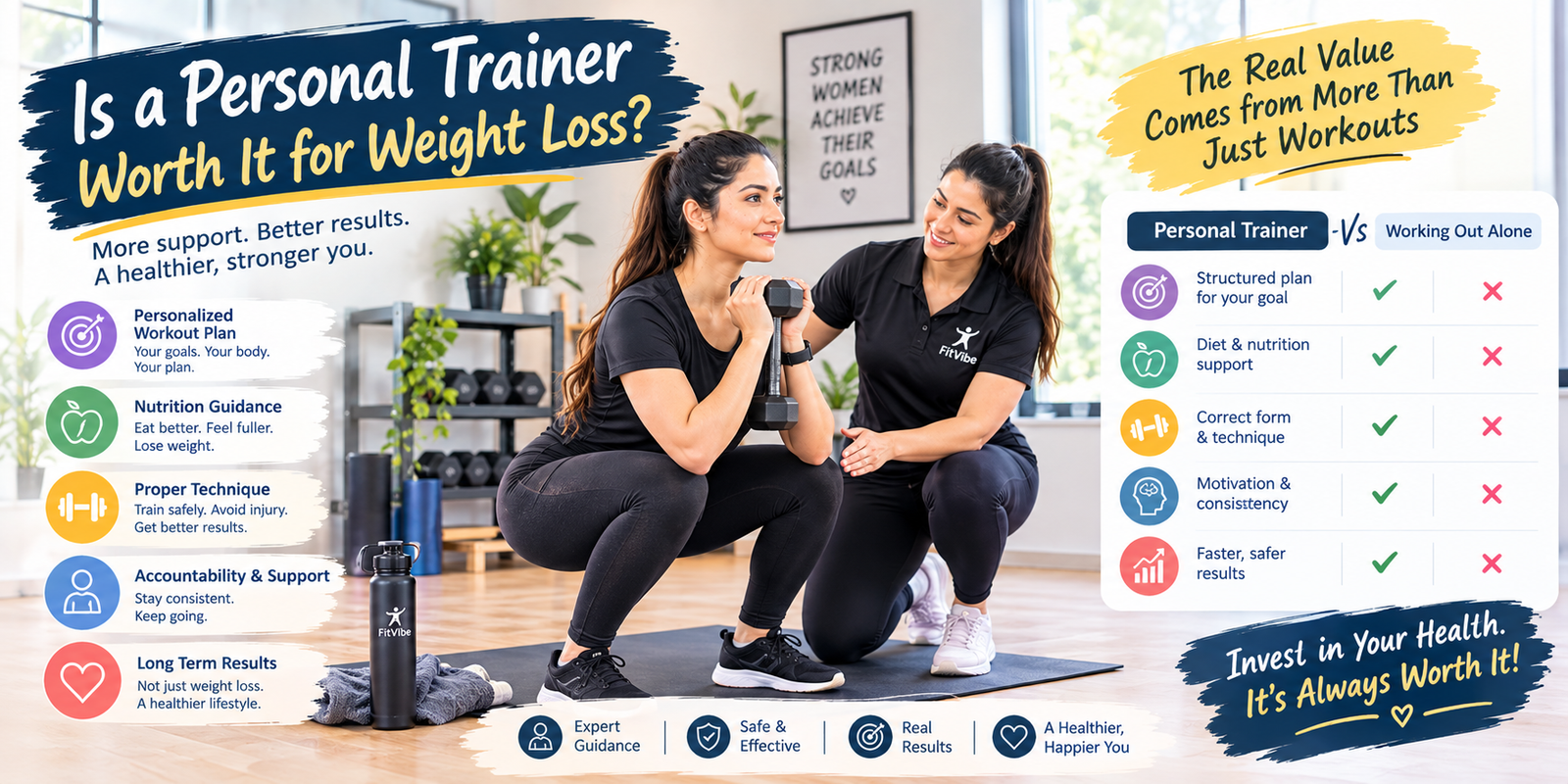
Yes. Beginners benefit more from professional coaching than any other fitness level because they have the most to gain from correct form, structured programming, and accountability from the very start. Poor habits built in the beginner phase are much harder to undo later.
What should I wear and bring to my first session with a female personal trainer?
Wear comfortable, breathable activewear and supportive trainers. Bring a water bottle and, if your trainer is coming to your home, have a clear space of roughly two metres by two metres available. You do not need any equipment for your first session.
Will a female personal trainer push me too hard in the beginning?
A qualified female personal trainer will never push a beginner beyond what their body can safely handle. The first month of training is designed to build your capacity gradually, not test it to its limits. If you ever feel pushed too hard, communicate it directly. A good trainer adjusts immediately.
How soon will I see results after hiring a female personal trainer?
Most beginners notice improved energy, better sleep, and reduced daily stiffness within the first two weeks. Visible physical changes typically begin between weeks four and eight depending on your goals, consistency, and lifestyle habits outside of training.
Can I hire a female personal trainer online as a beginner outside Pakistan?
Yes. Online coaching with a female personal trainer is completely effective for beginners anywhere in the world. Live video sessions allow your trainer to watch your form, guide your effort, and adjust your program in real time regardless of where you are located.
What is the difference between a female personal trainer and a general gym instructor?
A certified female personal trainer designs a fully individualised program specifically for you, monitors your progress session by session, provides ongoing coaching between sessions, and holds relevant certifications in areas like nutrition, rehabilitation, and specialised training. A general gym instructor is typically available to answer basic questions on the gym floor and does not provide personalised ongoing programming.
Ready to Start Your First Month
The hardest part of hiring a female personal trainer as a beginner is making the first move. Once you do, the structure, accountability, and expertise of a qualified coach remove most of the confusion and guesswork that stops beginners from making progress on their own.
At Fit Vibe Trainer, our ACE certified female coaches specialize in working with women who are starting from the very beginning. Whether your goal is weight loss, postnatal recovery, managing a health condition, or simply building a sustainable fitness habit, we meet you exactly where you are.
Book your free consultation today and take the first step toward your first month.
Ready to put this into action?
Train 1-on-1 or in a group with Amna — your first discovery call is completely free. Female-only, fully online, results you can see.
Book My Free Call on WhatsApp →