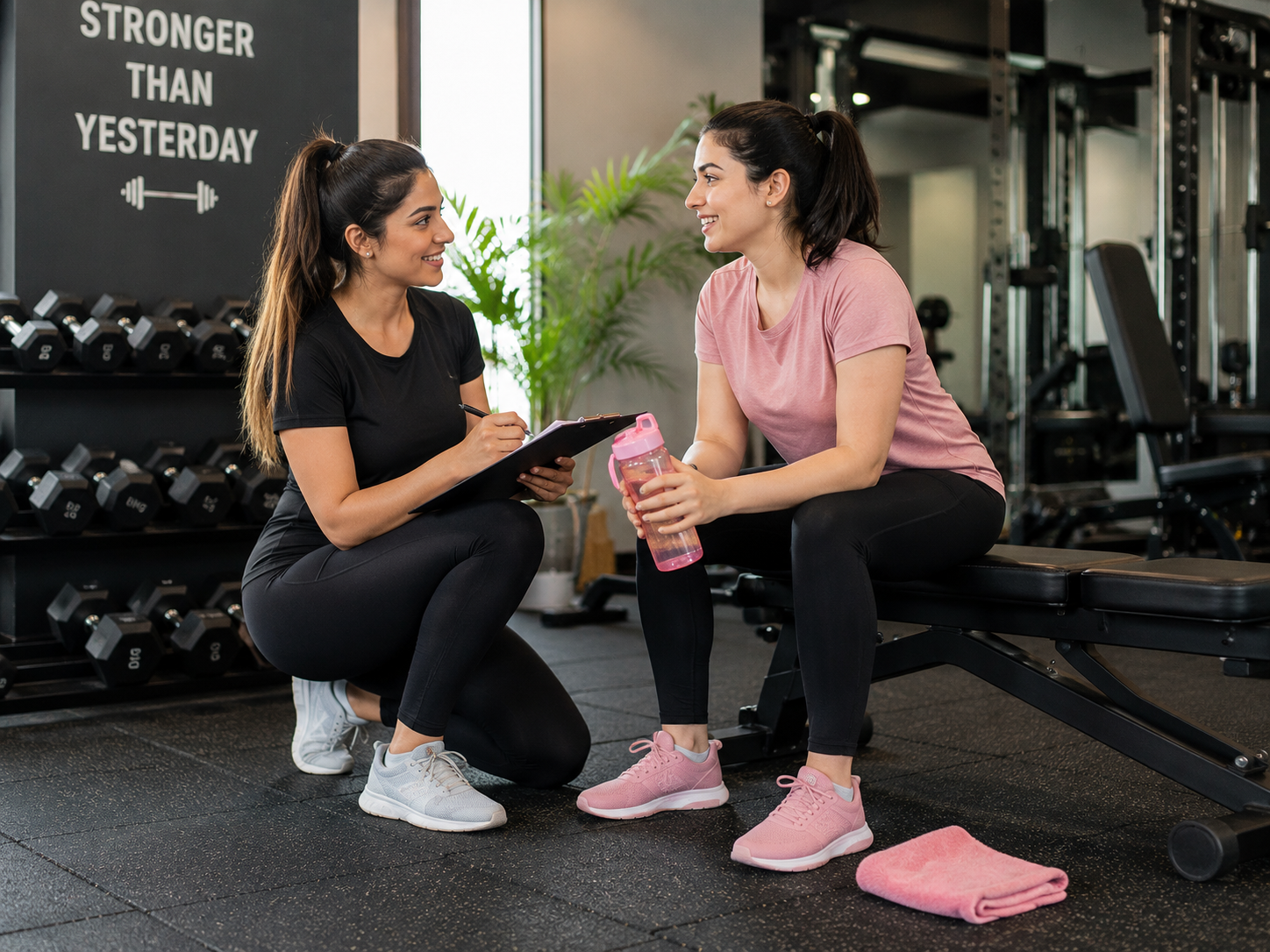
Your first personal training session as a woman is one of the most important fitness appointments you will ever have, and it is almost certainly not what you are picturing. There is no crushing workout waiting for you. Your trainer is not going to test how far you can be pushed on day one. What actually happens is a structured, methodical process designed entirely around understanding your body, your history, your goals, and your life, so that every session after this one can be built specifically for you.
If you have been putting off starting because you do not know what to expect, or because the idea of being assessed by a trainer feels intimidating, this guide removes all of that uncertainty. Here is exactly what your first personal training session looks like, why each part exists, and what a qualified female trainer specifically looks for that a general trainer often misses.
Why the First Session Is Different for Women
Women's bodies operate under a hormonal environment that changes throughout the month, across life stages, and in response to conditions like PCOS, thyroid dysfunction, insulin resistance, and postnatal recovery. These are not minor variables. They directly affect how your body responds to training, how quickly you recover, where you store fat, how much energy you have during sessions, and what type of exercise is appropriate at any given point in your cycle or recovery timeline.
A first session with a qualified female personal trainer accounts for all of this from the very beginning. A first session with a generalist trainer who does not specialise in women's health often does not. The questions she asks, the assessments she runs, and the information she records during your first appointment are the difference between a programme built for your body and a generic template applied to it.
This is why who you start with matters as much as how you start.
Before You Arrive: What to Do in the 24 Hours Before Your First Session
Preparation before your first session directly affects the quality of information your trainer can gather and the quality of the programme she can build. Here is what to do.
- Eat a light meal one to two hours before. Training on a completely empty stomach affects your energy, your focus, and your trainer's ability to accurately assess your true capacity. A small, balanced meal, something like yogurt with fruit, a boiled egg with toast, or a handful of nuts, is sufficient. Avoid heavy meals within two hours of the session.
- Hydrate properly. Dehydration affects movement quality, cardiovascular response, and perceived effort. Drink water consistently in the hours leading up to your session rather than gulping a large amount immediately before.
- Write down your relevant health history. You will be asked about previous injuries, surgeries, chronic conditions, medications, and any pain you currently experience. Having this information clear in your mind before you arrive saves time and ensures nothing important is missed.
- Note where you are in your menstrual cycle if relevant. A trainer who programmes around your cycle will find this useful from the first session. It is also relevant to understanding your current energy levels and how they compare to your baseline.
- Wear comfortable, functional clothing. Fitted activewear that allows your trainer to observe your movement is more useful than loose clothing. She needs to see how your knees track during a squat, whether your hips are level during a lunge, and how your lower back responds to a hip hinge. Visibility of your joints and posture matters. If you need inspiration for what to wear, this Pinterest reference shows practical, functional activewear that works well for assessment-based training sessions.
- Bring a water bottle and a small towel. You will move during the assessment phase and may need both. If your session is a home visit, simply have these accessible in your space.
The Health and Lifestyle Intake: The Most Important Conversation of Your First Session
Your first session begins not with exercise but with conversation, and this part carries more weight than any movement that follows. A qualified female trainer will take between fifteen and twenty minutes to gather a complete picture of your current health and lifestyle. The depth and accuracy of this intake determines how well-suited your programme will be to your actual body.
Expect her to cover the following areas.
- Medical history. Previous injuries, surgeries, chronic conditions including PCOS, hypothyroidism, endometriosis, and autoimmune conditions, current medications, and any pain you experience during daily activities.
Ready to put this into action?
Train 1-on-1 or in a group with Amna — your first discovery call is completely free. Female-only, fully online, results you can see.
Book My Free Call on WhatsApp →